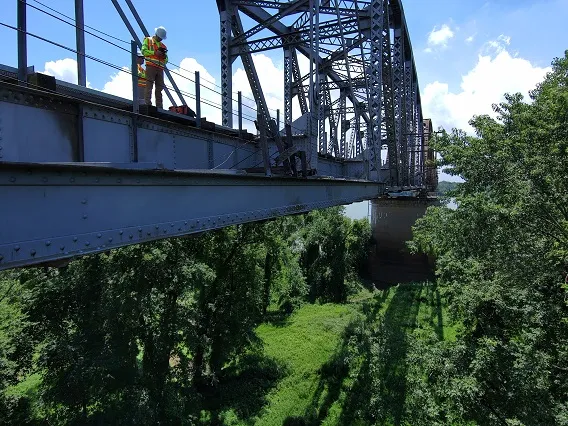

Certified engineers perform detailed FRA bridge inspection services to ensure vital railway safety. Railway bridges serve as critical infrastructure components that support the uninterrupted movement of freight and passengers. Any structural weakness or undetected defect can pose significant operational and safety risks. Through systematic evaluation and regulatory compliance, certified inspectors help maintain the reliability of these essential structures. Their expertise plays a central role in safeguarding both rail networks and the communities they serve.
FRA bridge inspections are governed by strict federal regulations designed to promote consistency and accountability. The Federal Railroad Administration establishes clear guidelines for inspection frequency, documentation, and reporting standards. Certified engineers must thoroughly understand these regulatory frameworks before conducting assessments. Compliance ensures that every bridge is evaluated according to nationally recognized safety benchmarks.
A comprehensive bridge inspection begins with a detailed visual examination of structural components. Inspectors assess beams, girders, piers, abutments, fasteners, and load-bearing elements for signs of wear, corrosion, cracking, or deformation. Even minor irregularities can signal underlying structural concerns that require further analysis. Engineers document their findings with precision, often using advanced imaging tools and measurement equipment.
Beyond visual evaluations, certified engineers may conduct specialized testing procedures. Non-destructive testing methods, such as ultrasonic inspections or magnetic particle testing, help detect hidden flaws within steel components. Load rating analyses are performed to confirm that bridges can safely support current and projected rail traffic demands. These technical evaluations provide data-driven insights into structural integrity.
Environmental factors also play a significant role in bridge performance. Exposure to moisture, temperature fluctuations, flooding, and heavy loads can accelerate deterioration. Certified inspectors assess how these conditions impact materials and structural connections over time. Identifying environmental stressors allows rail operators to implement preventive maintenance strategies.
Documentation and reporting are essential aspects of FRA bridge inspection services. Engineers compile detailed reports outlining observed conditions, recommended repairs, and compliance status. These reports serve as official records for regulatory audits and internal review processes. Clear and organized documentation ensures transparency and accountability across all operational levels.
Timely maintenance recommendations are a direct outcome of thorough inspections. When engineers identify deficiencies, they prioritize corrective actions based on severity and risk level. Immediate repairs may be required for critical structural concerns, while less urgent issues are incorporated into long-term rehabilitation plans. This structured approach to risk management ensures efficient allocation of resources.
Safety remains the primary objective throughout every inspection phase. Railway bridges endure constant dynamic loads and vibrations from passing trains. Without regular assessments, minor structural weaknesses could escalate into significant hazards. Certified engineers apply both technical knowledge and practical experience to detect early warning signs.
Technological advancements continue to enhance FRA bridge inspection services. Drone technology allows inspectors to access hard-to-reach areas safely and efficiently. Digital data collection systems improve accuracy and streamline reporting processes. Structural health monitoring sensors provide continuous performance data between scheduled inspections.
Railway operators depend on certified engineers to uphold rigorous safety standards. By combining regulatory expertise, advanced testing methods, and detailed documentation, inspectors deliver comprehensive evaluations. Their work supports informed decision-making and long-term infrastructure resilience. Consistent inspection practices reinforce public confidence in railway systems.
Finally, certified FRA bridge inspection services are essential for maintaining the structural integrity and operational reliability of railway infrastructure. Through detailed evaluations, regulatory compliance, and proactive maintenance planning, certified engineers help prevent failures before they occur. Their expertise ensures that railway bridges continue to support safe and efficient transportation across communities and industries.



























Sign in to leave a comment.