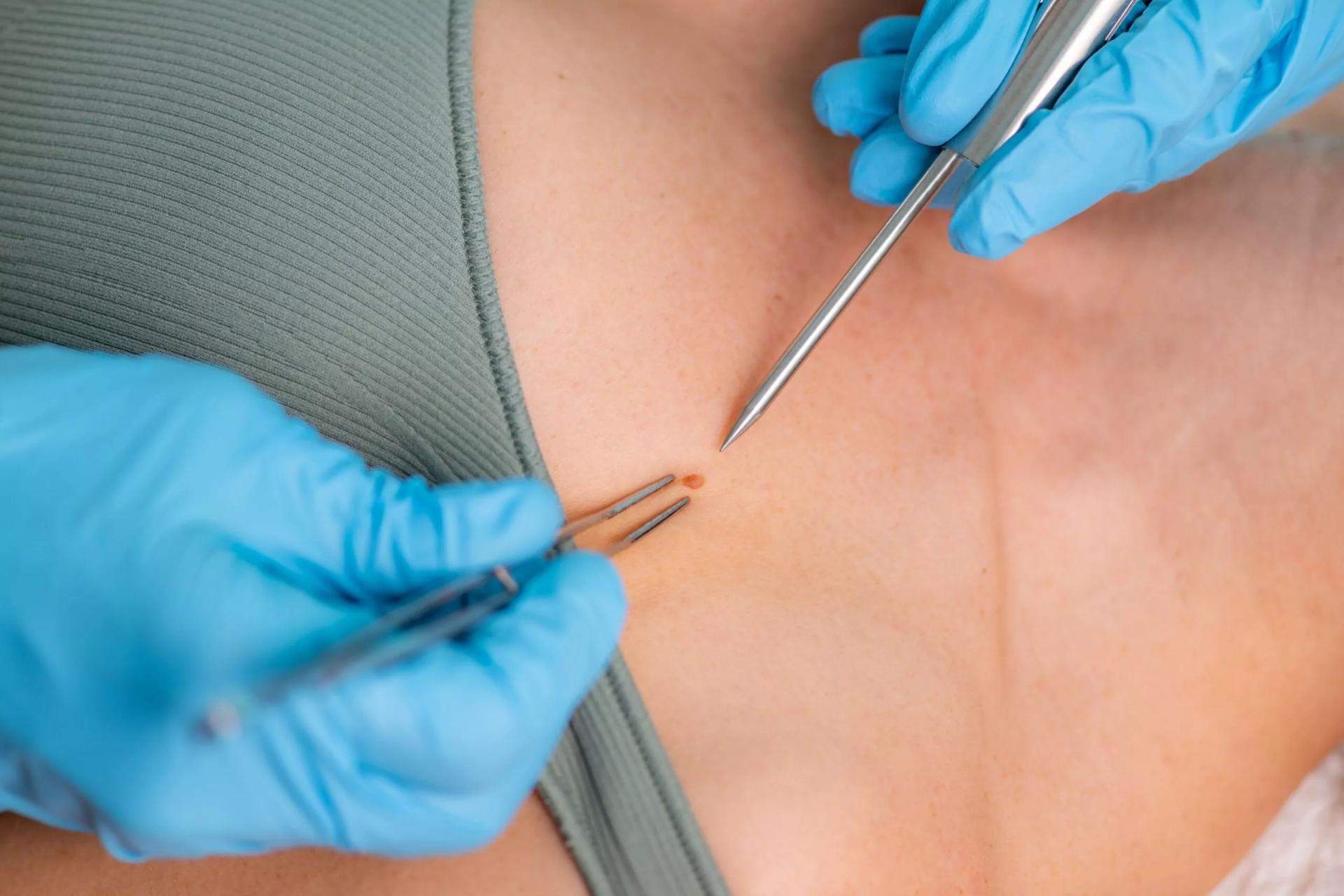

How Do Doctors Analyze A Biopsy For Diagnosis Purposes? This question is common among patients seeking clarity on how tissue samples help doctors reach accurate medical decisions.
Biopsy for Diagnosis Purposes in Dubai follows internationally accepted laboratory standards, and reputable healthcare providers such as Dynamic Life Clinic often emphasize precision, safety, and clinical relevance during the diagnostic process.
Understanding What a Biopsy Reveals
A biopsy involves examining a small sample of tissue to understand changes at a cellular level. Doctors rely on this method because it offers direct evidence of what is happening inside the body rather than assumptions based on imaging or symptoms. The tissue sample reflects cellular structure, growth patterns, and abnormalities that cannot be fully evaluated through scans alone.

Step One: Preparing the Sample for Analysis
Once the tissue sample is collected, it is carefully preserved to prevent deterioration. Proper handling ensures the cellular details remain intact for accurate interpretation. The preparation stage focuses on maintaining tissue integrity so that later observations reflect the true biological condition.
Key preparation steps include:
- Stabilizing the tissue to prevent breakdown
- Embedding the sample for precise slicing
- Creating ultra-thin sections suitable for microscopic review
Step Two: Microscopic Examination
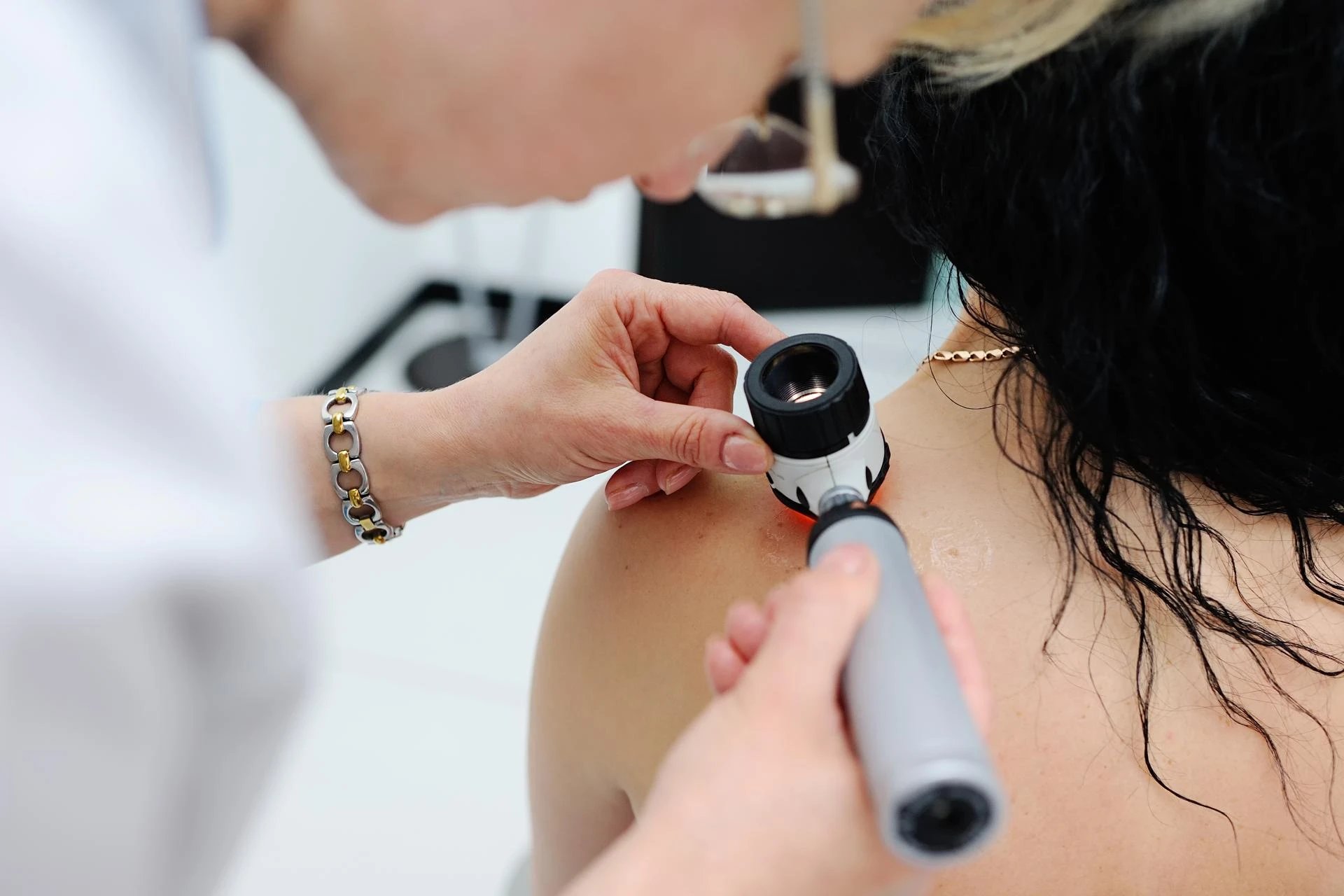
Doctors analyze biopsy samples under high-powered microscopes to identify changes in cell size, shape, and organization. This stage allows specialists to compare normal and abnormal patterns, helping them distinguish between benign changes and more serious conditions. Microscopic examination forms the foundation of biopsy-based diagnosis.
Role of Specialized Staining Techniques
Certain stains are applied to biopsy slides to highlight specific cellular features. These stains make structures more visible and help differentiate tissue types. Staining techniques support clearer visualization, allowing doctors to detect subtle changes that might otherwise remain hidden.
Common goals of staining include:
- Enhancing contrast between cells
- Identifying abnormal growth patterns
- Clarifying tissue composition
Advanced Testing for Deeper Insights
In some cases, doctors use additional laboratory techniques to gain deeper insights. These methods focus on cellular behavior and biological markers that support diagnostic accuracy. Advanced testing strengthens confidence in findings when initial observations require further confirmation.
Correlating Biopsy Findings With Clinical Information
Doctors do not analyze a biopsy in isolation. They compare laboratory findings with medical history, physical examinations, and imaging results. This integrated approach ensures the diagnosis reflects the patient’s overall health picture rather than a single test outcome.
Accuracy and Quality Control in Dubai Laboratories
Biopsy for Diagnosis Purposes in Dubai follows strict quality and safety protocols aligned with global healthcare benchmarks. Laboratories operate under standardized guidelines to maintain accuracy, reproducibility, and reliability. Quality control measures ensure consistent results across different samples and timeframes.
Why Biopsy Analysis Matters for Patient Care
Biopsy analysis guides medical decision-making by offering clarity on disease presence, progression, and characteristics. Accurate interpretation supports timely care planning and reduces uncertainty for patients navigating complex health concerns.
Conclusion
Understanding how doctors analyze a biopsy for diagnosis purposes helps patients appreciate the scientific precision behind medical evaluations. In Dubai, this process reflects a commitment to accuracy, ethical standards, and patient-focused care, supporting informed health decisions through reliable diagnostic practices.


























Sign in to leave a comment.