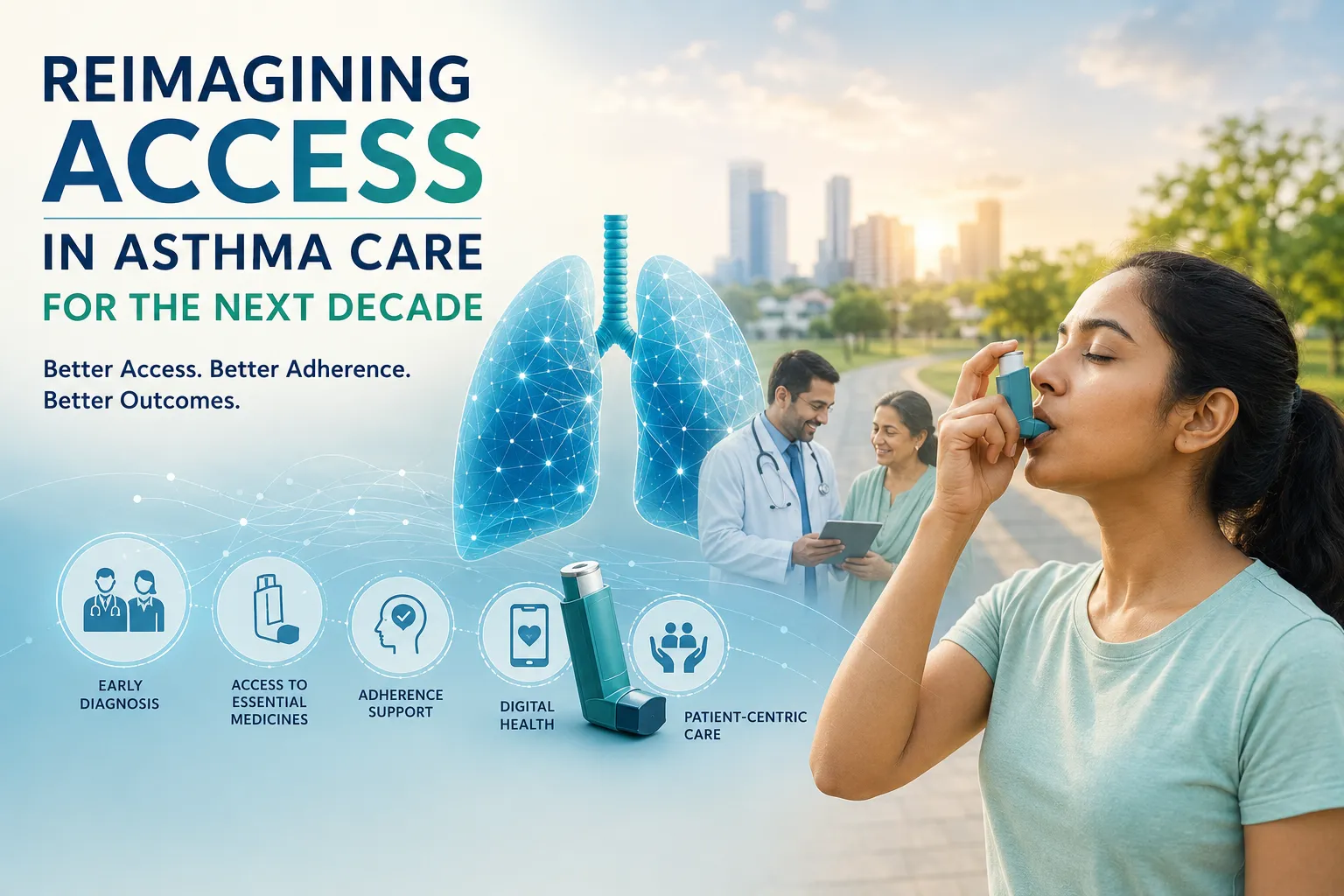

Asthma continues to be a major healthcare concern in India. Although the country has made strong progress in addressing several non-communicable diseases, asthma remains underdiagnosed, undertreated, and poorly managed for many patients.
The concern becomes even more important during World Asthma Day, which highlights the need for better access to anti-inflammatory inhalers and long-term asthma care. Inhalers remain one of the most effective tools for asthma management, but access alone is not enough. Patients must also receive proper guidance, regular follow-up, and support to continue treatment correctly.
Asthma is a chronic inflammatory disease. Its symptoms can change over time, which often leads patients to believe that they are cured once breathing improves. However, stopping treatment early can increase the risk of flare-ups and severe attacks.
India has nearly 35 million asthma patients and contributes significantly to the global asthma burden. Air pollution, urbanisation, workplace exposure, and delayed diagnosis make the situation more complex. Many people mistake symptoms such as wheezing, breathlessness, and coughing for seasonal allergies, ageing, or temporary discomfort.
This delay in diagnosis can worsen the condition and increase pressure on both patients and healthcare systems.
Another major challenge is adherence. Many patients do not use inhalers consistently even after diagnosis. Some discontinue treatment when symptoms reduce, while others struggle with inhaler technique or lack awareness about the importance of regular anti-inflammatory therapy.
Poor adherence can lead to repeated hospital visits, emergency care, missed school or work days, and lower quality of life. These outcomes are often preventable with better education and continuous support.
The next decade of asthma care in India should focus on building a more integrated care model. This includes stronger primary care screening, wider access to spirometry, digital diagnostics, patient support programs, and specialist care when needed.
Modern asthma management is also becoming more personalised. Anti-inflammatory reliever therapy and Maintenance and Reliever Therapy are helping reduce the risk of severe exacerbations. For patients with severe asthma, biologic therapies are also emerging as an important option.
Digital health can further improve asthma care. Smart inhalers, wearable sensors, AI-powered platforms, and remote monitoring tools can help track symptoms, triggers, and treatment adherence. These solutions can help doctors identify risks earlier and adjust care before the condition worsens.
However, the future of asthma care cannot depend on technology alone. India needs a complete respiratory care ecosystem that combines access, affordability, education, clinical support, digital tools, and long-term patient engagement.
India has the expertise and infrastructure to lead this transformation. The focus now must shift from simply providing treatment to ensuring that patients adopt, continue, and benefit from it over time.
The next decade offers an opportunity to redesign asthma care in India and create better outcomes for millions of patients.
Original Reference:
https://www.lupin.com/media/perspectives/reimagining-access-in-asthma-care-for-the-next-decade




























Sign in to leave a comment.