
The MCAT is more than simply another exam. It's a stepping stone on the journey to medical school and ultimately a career in medicine. For the thousands of pre-med students, it determines not only how competitive their applications will be, but also their confidence in taking on this difficult career. Yet over half of test-takers score below the median, typically because they lack proper guidance and preparation.
Choosing the right MCAT prep course is not only an investment financially it's a strategic choice that can determine how your entire medical career goes. This ultimate guide is designed to guide you through the most important aspects of the best MCAT prep course, from course types and characteristics to real tips on how to maximize your potential and get the best score.
Why the Right MCAT Prep Matters
The MCAT is one of the most challenging standardized tests. It tests critical thinking, science knowledge, and problem-solving skills, all of which are necessary to excel in medical school. Your MCAT score is an extremely influential admissions factor and tends to become a gatekeeper between you and your dream school.
A well-planned prep course can help enormously to raise your score. Fact: the average score is a mere 500, but the successful ones score 510 and more. That 10-point gap can be the difference between getting a rejection letter and a scholarship. If you have the right course, then you have a mentor, reducing anxiety and ensuring that you use your time and effort effectively.
Key Components of an Effective MCAT Prep Course
As you compare MCAT prep courses, seek out these key characteristics:
1. Thorough Content Review
Premier classes offer in-depth material for each of the four sections: Biological Sciences, Chemical and Physical Foundations, Critical Analysis and Reasoning Skills (CARS), and Psychological/Social Foundations.
2. Realistic Practical Exams
They mimic the actual testing process, time limit, and question nature. They build stamina and accuracy.
3. Personalized Study Plans
Identify programs that operate based on your strengths and weaknesses. A personalized roadmap keeps you in line and on track.
4. Professional Instruction and Feedback
Classes taken under experienced instructors and tutors provide guidance that self-studying could miss. Timely feedback accelerates the learning process.
5. Flexibility and Accessibility
Mobile apps, online video tutorials, and downloadable resources allow you to learn at your own pace.
6. Score Analytics
Sophisticated analytics tools enable you to track your progress, identify trends, and adjust your strategy in the moment.
7. Success Stories Proven
Student testimonials and success rates give an idea of how effectively a course really works.
MCAT Prep Format Types
Each student learns differently. Your schedule, study habits, and budget determine what prep course is right for you.
1. Live Online Courses
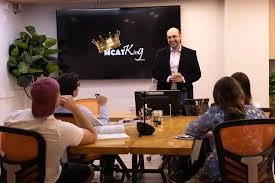
These recreate the classroom experience with live interactive classes and Q&A. Ideal for students requiring structured environments.
2. Face-to-Face Classes
Best suited for in-person learners. These are usually distraction-free and concentrated study environments.
3. Self-Paced Online Programs
Perfect for independent study. These allow you to study in your own time, with all the material presented upfront.
4. Private Tutoring
Offers one-on-one support adjusted to your specific needs. Best suited for those with non-traditional schedules or for those who need extra help.
5. Free & Open-Access Tools and Resources
It contains tools like video libraries of teaching materials and printable worksheets that are educational, but do not include practice tests or tutoring.
The Role of Practice Tests & Question Banks
Practice is what makes perfect, especially when preparing for a high-stakes test like the MCAT.
• Full-Length Tests: Test-taking endurance is developed through simulated actual test-taking, along with practice with the test format.
• Question Banks: Thousands of practice questions allow you to master content, identify patterns, and strengthen weak areas.
• Performance Analytics: Post-exam analytics reveal strengths and areas of improvement.
Top scorers will normally do 8–12 full-length practice tests and work through hundreds of questions before the test date. Practicing is not reviewing, it's tactical training.
Best MCAT Prep Options Comparison
When choosing a course format, it's essential to consider your goals, budget, and preferred learning style. Premium Full-Access courses typically range from $1500 to $2500 and are best suited for high scorers aiming for top results. These programs often include live classes, personalized tutoring, and detailed performance analytics. However, they can be expensive and time-consuming.
For those who prefer more flexibility, Self-Paced Online courses cost between $200 and $800. These are ideal for independent learners with busy schedules, offering on-demand video lessons and quizzes. The trade-off is less interaction and no personal coaching.
A middle-ground option is the Hybrid Model, priced around $800 to $1500. This format appeals to flexible learners, as it combines the benefits of both live and recorded content. It offers a balanced approach with moderate costs.
Lastly, Free Open Tools provide video lessons and practice sets at no cost, making them a good choice for economical learners. However, they typically come with limited support and fewer practice exams, which may not be ideal for all students.
Real-World Success Stories & Testimonials
MCAT success is usually a matter of the quality of preparation. For instance:
• Student A started at level 490 and reached 515 after 4 months of concentrated study with customized lesson plans and weekly diagnostics.
• Student B used a free website supplemented by paid practice tests and improved by 10 points.
What was the key? Consistency, active revision, and practice with a purpose.
Expert Advice on Selecting the Most Appropriate Course
It is subjective to choose the best MCAT prep course. Here are some recommendations by prep experts:
• Know Your Learning Style: Visual learners may like videos; auditory learners learn through live teaching.
• Assess Your Beginning Point: Lower diagnostic ratings may require more intense prep.
• Test Drive Courses: The majority of sites offering trial periods utilize them.
• Blend Resources: Mix free practice resources and paid review and strategy resources.
Keep in mind, the perfect notebook is one that you'll use regularly.
Maximizing Any MCAT Prep Course: Tips
Your success is not the course itself but rather how you apply it.
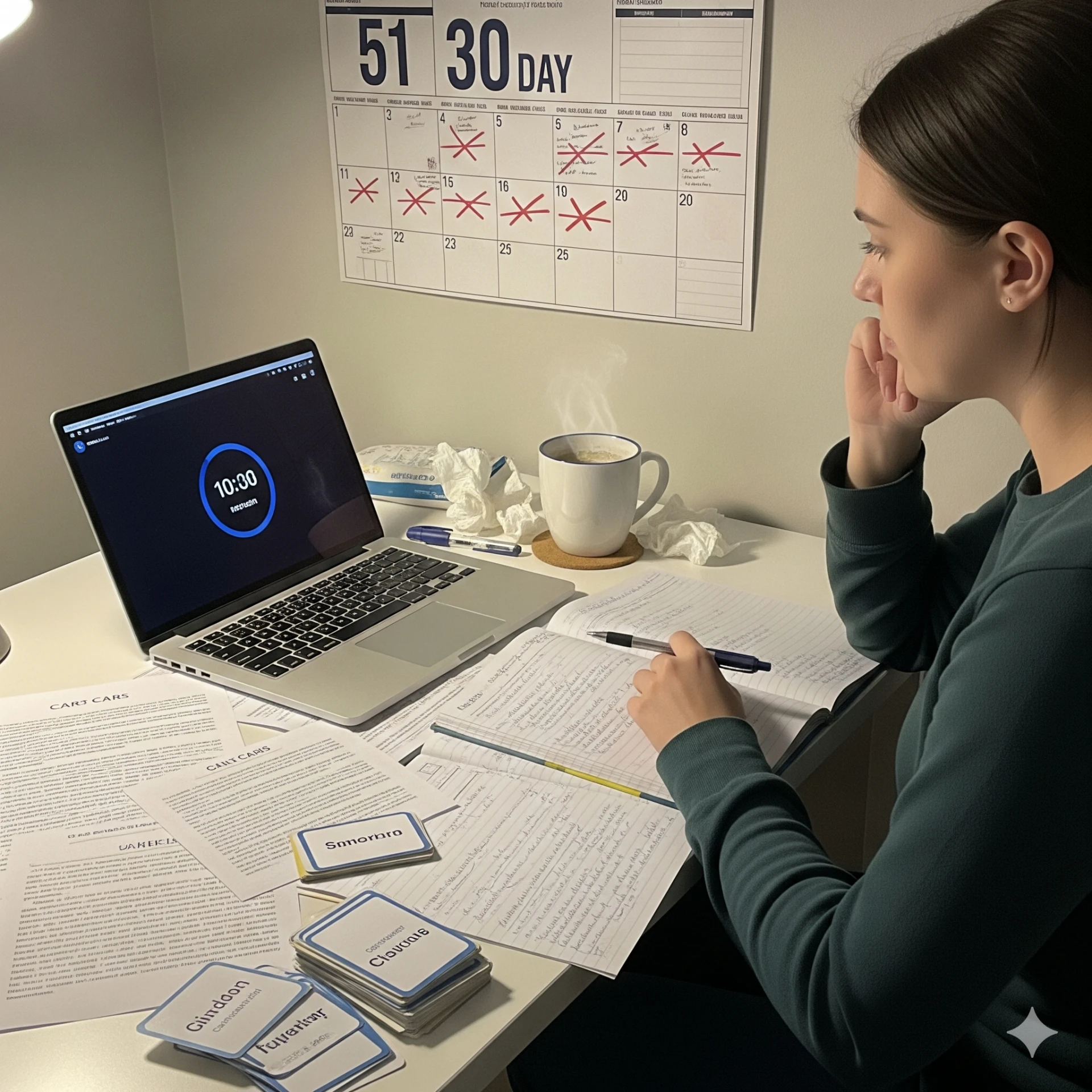
1. Make a Study Schedule: Schedule your study sessions into daily manageable chunks.
2. Utilize Active Learning: Summarize, teach back concepts, and self-quiz.
3. Practice CARS Daily: This part cannot be skipped; daily exposure is ideal.
4. Break Down Mistakes in Detail: Understanding why you got a question wrong is more valuable than getting it correct.
5. Track Your Progress: Weekly check-ins allow you to adjust and remain motivated.
Conclusion & Call to Action
The MCAT is challenging, but with the proper preparation materials, it is possible. Whether you take a course of study or go it alone with open-source materials, the key to success is consistency, planning, and dedication.
Begin early, stay committed, and trust yourself to grow. What you do today is the beginning of your path towards medical school.
Take Action:
• Obtain your free MCAT Study Planner.
• Subscribe to our newsletter for weekly study tips.
Open the door to success one study session at a time.


























Sign in to leave a comment.