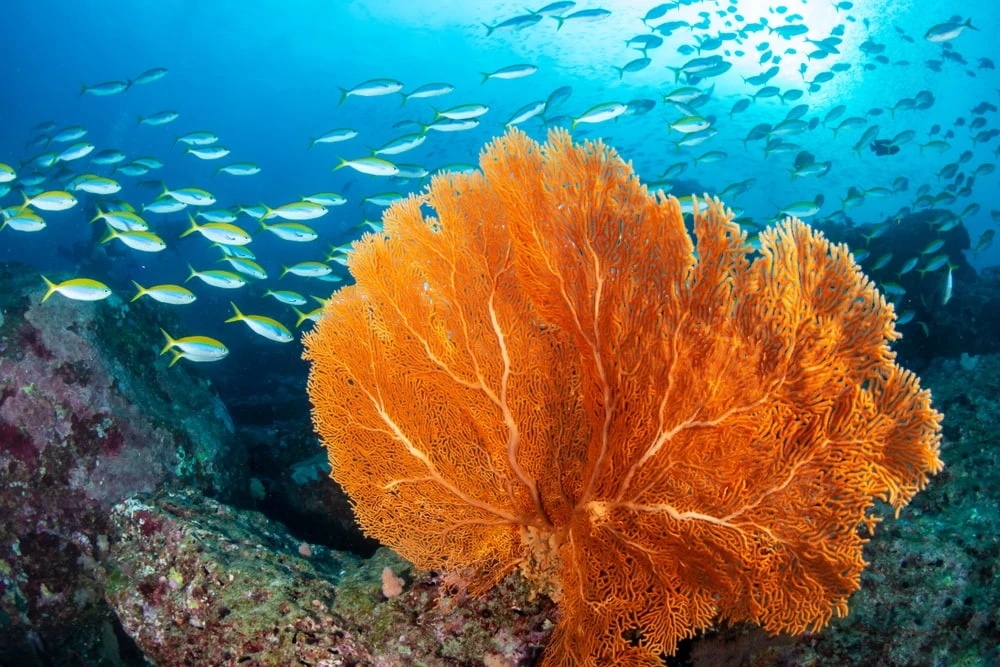

If you’ve ever watched a reef tank for more than a few seconds, you know how alive and dynamic they can be. The swaying corals, darting fish, and glowing lights all work together to make a miniature underwater world. Among the wide range of corals used by saltwater hobbyists, gorgonians stand out. These soft corals bring a sense of motion and texture, but there's more to them than good looks. In the middle of all this visual interest, many hobbyists start searching for Gorgonian Coral For Sale when they realize how much these species can actually benefit their reef tanks.
What Are Gorgonian Corals?
Gorgonians are soft corals often recognized by their tree-like or fan-shaped forms. Unlike hard corals that build massive calcium-based skeletons, gorgonians have a more flexible structure supported by a protein-based core. Their surfaces are usually covered in tiny polyps that extend during feeding, making them look fuzzy or feathery.
Types You Might Spot in Tanks
Most reef tanks feature either photosynthetic or non-photosynthetic gorgonians. The photosynthetic ones are easier to keep and get most of their energy from light. Non-photosynthetic types need regular feeding, so they require more effort but reward the keeper with unique textures and forms. Both types can bring a range of colors, from bright orange and yellow to deep purples and reds.
Natural Movement Creates Visual Interest
One of the biggest visual benefits of adding gorgonians is the way they move. Their soft branches sway with water currents, adding a natural motion that mimics real ocean reefs. This movement isn't just for show—it creates a calming effect for both fish and the viewer. When you look into a tank and see a gorgonian gently waving, it brings a sense of life that’s hard to replicate with rock or hard coral alone.
H3: Fish and Invertebrates Benefit Too
That gentle swaying isn't only eye-catching. Fish and invertebrates often use gorgonians as hiding spots, resting areas, or even breeding grounds. Some shrimp and crabs will perch on the branches, while small reef fish dart between them for shelter. This interaction between coral and tank inhabitants helps to support a healthy micro-environment within the aquarium.
Helping with Water Flow and Filtration
Gorgonians interact with the tank’s water movement in a practical way. Their porous and branched structures interrupt water flow, which helps to break up strong currents and spread them more evenly across the tank. This reduces dead zones where detritus and waste can collect. Their presence helps improve the movement of oxygen and nutrients throughout the system, promoting balance in the aquarium.
Natural Filtering from Feeding
Some types of gorgonians feed by catching floating particles and plankton in the water. While this feeding behavior is primarily for their own survival, it also helps clean the tank. By grabbing microscopic food and organic matter from the water, they support cleaner conditions and reduce the load on mechanical filters.
Supporting Biodiversity in the Tank
Gorgonians add variety to a reef tank in ways that go beyond appearance. Their unique shapes and biological makeup offer different living conditions for creatures that may not feel at home among hard corals. More types of life can coexist in a tank where gorgonians are present, making the entire system more diverse and interesting.
Encouraging Natural Behaviors
Fish behave differently when they have access to the right types of coral. Gorgonians encourage natural behaviors in marine life—whether it's a goby laying eggs on their branches or a wrasse brushing past them in search of food. When animals feel comfortable enough to act as they would in the wild, they tend to be healthier and more vibrant.
They Can Be Easier Than You Think
For beginners, photosynthetic gorgonians are surprisingly manageable. With decent lighting and moderate flow, many varieties adapt well to home aquariums. They don’t require aggressive dosing or constant adjustments, and once settled, they grow steadily without taking over the tank. Some hobbyists even find them more forgiving than many types of hard coral.
Placement and Compatibility Tips
Positioning gorgonians in the right spot helps them thrive. They enjoy moderate to strong water flow and need space around them to extend their polyps freely. They're generally peaceful corals and won’t sting their neighbors, making them a safe option in mixed coral setups. If you’re planning your aquascape, placing gorgonians higher up helps them catch the flow and light they prefer.
Long-Term Growth and Maintenance
As with most living organisms in reef tanks, gorgonians need regular attention. Trimming may be necessary if they grow too large or start shading other corals. They also need stability in water parameters like temperature, pH, and salinity. Routine tank maintenance—like water changes and light monitoring—will keep them healthy and looking their best.
Watch Out for Pests and Diseases
Though generally hardy, gorgonians can suffer from tissue loss or algae growth if water quality slips. Keeping the tank clean and well-balanced prevents most issues. It's also a good idea to inspect new corals before adding them to your tank. A short dip in a coral-safe solution can help remove pests before they spread.
Why Hobbyists Keep Coming Back to Gorgonians
Once you've had success with a Gorgonian, it's easy to get hooked. Their look, motion, and usefulness make them a rewarding addition to almost any reef system. Whether you're aiming for a natural, biotope-style tank or just want something unique in your coral garden, gorgonians offer something different from the standard fare.
Final Thoughts
Gorgonian species are more than just a good-looking addition to your reef tank—they actively support the system’s health and stability. From water flow improvement to providing shelter and encouraging biodiversity, they earn their place in both beginner and advanced aquariums. While they do require care and attention, the rewards are well worth it. If you're building a reef setup with balance, movement, and visual appeal in mind, these soft corals make a strong case for a spot in your tank.



































Sign in to leave a comment.