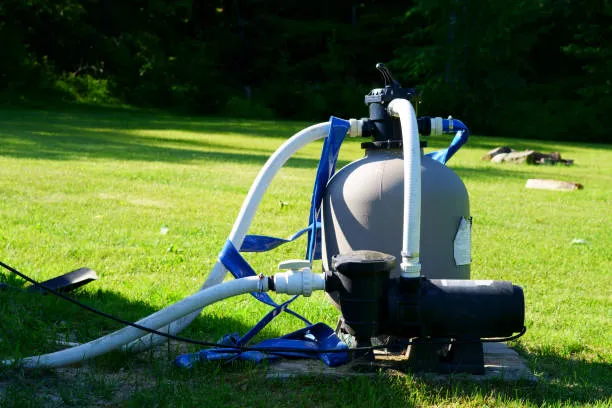

Nothing is more frustrating than opening your pool app only to see a "System Offline" message. As backyards become more tech-heavy, maintaining a strong digital connection is just as important as maintaining the chemistry. Most connectivity issues are simple to fix and usually stem from Wi-Fi signal strength or minor software glitches rather than a total hardware failure.
Restoring Your Connection to Pool Automation Systems
The first step in troubleshooting is determining where the "break" in communication has occurred. Your pool automation systems rely on a bridge between the outdoor equipment and your home router. If the panel is powered on but the app isn't working, the issue is likely related to your local network or the signal's ability to penetrate your home's exterior walls.
Checking the Wi-Fi Signal Strength
Outdoor equipment pads are often located on the far side of the house, away from the router. Thick stucco, brick, or stone walls can severely degrade a Wi-Fi signal. If your connection is intermittent, use your phone to check the signal strength at the equipment pad. If it's weak, you may need a dedicated outdoor access point or a mesh network node placed closer to the pool.
Power Cycling the Communication Bridge
Like any computer, pool controllers sometimes just need a fresh start. Try power cycling your router first, then do the same for the wireless bridge or the internal communication card in your pool panel. Turning the breaker off for sixty seconds and then back on can often clear out temporary "bugs" and allow the system to re-establish a handshake with your home network.
Addressing Software and App Glitches
Sometimes the hardware is fine, but the software has lost its way. App updates are frequent, and if your phone has updated but your pool's firmware hasn't, it can cause a communication breakdown. Ensuring that both your mobile application and the system’s "brain" are running the most current versions is essential for a stable and secure user experience.
Updating System Firmware
Most modern systems allow for "Over-the-Air" (OTA) updates. If you can get the system online briefly, check the settings menu for any available firmware updates. These patches often contain fixes for known connectivity bugs or improvements for newer router technologies. Keeping the system updated ensures that you have the latest security protocols and feature enhancements at your fingertips.
Resetting Network Credentials
If you recently changed your Wi-Fi password or replaced your router, you will need to "re-provision" your pool system. This usually involves putting the pool controller into an "Access Point" mode and using your phone to give it the new network name and password. It’s a common step that many homeowners forget after an ISP upgrade, leading to an offline status.
Identifying Hardware Interference
Sometimes physical objects or other electronic devices can interfere with the radio frequencies used by your pool tech. Metal fences, large transformers, or even certain types of outdoor lighting can create "noise" that disrupts the signal. If your connectivity issues started after a new landscaping project or construction, look for any new physical barriers between the house and the pool pad.
Inspecting Antennas and Wiring
Check the external antenna on your automation enclosure to ensure it hasn't been damaged by weather or pests. A loose antenna or a frayed communication wire can cause the signal to drop out repeatedly. Ensure all connections inside the low-voltage compartment of the panel are seated firmly and that there is no evidence of corrosion on the metal contact points.
Utilizing Wired Ethernet Solutions
If wireless connectivity remains unreliable despite your best efforts, consider running a physical Ethernet cable to the equipment pad. Many high-end controllers have a port for a hardwired connection. This is the "gold standard" for reliability, as it completely eliminates Wi-Fi interference and provides a stable, lightning-fast connection regardless of the weather or wall thickness.
Conclusion
Connectivity issues are a common hurdle in the smart home era, but they are rarely permanent. By systematically checking your signal strength, updating your software, and ensuring your hardware is in good shape, you can get your system back online quickly. A reliable connection ensures that you always have control over your backyard, providing the convenience you expect from a modern pool.

























Sign in to leave a comment.