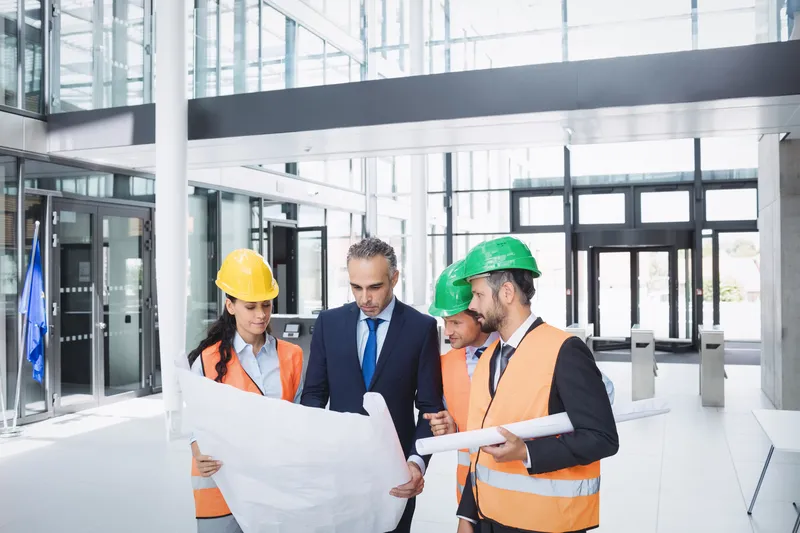

Walk into a busy café, a welcoming medical office, or a modern retail store, and you can usually tell within seconds whether the space “works.” Some places feel comfortable, easy to move through, and enjoyable to spend time in. Others feel cramped, confusing, or awkward, even if the décor looks expensive.
That difference often comes down to thoughtful architectural planning.
Business owners across Florida are paying closer attention to how their buildings affect customer experience, employee productivity, and long-term operating costs. A well-designed commercial space is not just about appearance. It influences how people interact with the business every single day.
That is why many companies turn to experienced commercial architects in Florida when planning a new building, renovation, or expansion. The right architect helps turn business goals into a practical and attractive space that supports growth for years to come.
Why Commercial Design Matters More Than Ever
Think about the last time you entered a store with poor lighting, confusing signs, or narrow walkways. Chances are, you wanted to leave quickly.
Now compare that with a place where everything felt natural. You knew where to go, the environment felt comfortable, and the layout made sense. That feeling is not accidental.
Commercial architecture shapes how people experience a business. It affects customers, employees, and even vendors who visit the property. A smart layout can improve workflow, reduce stress, and encourage customers to stay longer.
In today’s competitive market, businesses cannot afford to overlook those details.
Good Architecture Is Like a Well-Planned Kitchen
Imagine cooking in a kitchen where the refrigerator is across the house from the stove, the cabinets barely open, and there is no counter space. Even making a simple meal would become frustrating.
Commercial buildings work the same way.
Every room, hallway, entrance, and shared area should support the way people naturally move and work. Architects study those patterns carefully before construction even begins.
For example:
- A restaurant needs smooth movement between the kitchen and dining area.
- A medical office needs privacy while still allowing efficient patient flow.
- A retail store should guide customers comfortably through products without confusion.
- An office should balance collaboration with quiet workspaces.
When these details are handled correctly, the entire business operates more smoothly.
Florida Businesses Face Unique Building Challenges
Florida offers incredible opportunities for businesses, but it also comes with unique environmental and building considerations.
Heat, humidity, heavy rain, hurricanes, and coastal conditions all affect how commercial buildings should be designed. Materials that work perfectly in another state may struggle in Florida’s climate.
This is one reason experienced architects are so valuable. They understand how to create buildings that are both visually appealing and durable enough for local conditions.
A strong commercial design often includes:
- Storm-resistant materials
- Efficient drainage systems
- Energy-saving cooling strategies
- Proper natural lighting
- Durable exterior finishes
- Flexible interior layouts
These choices may seem small at first, but over time they can save business owners significant maintenance and energy costs.
The Hidden Cost of Poor Planning
Many business owners focus heavily on construction costs but underestimate the impact of bad design.
A poorly planned building can create expensive problems for years.
For example:
- Employees may waste time moving inefficiently through the space.
- Customers may struggle to find products or services.
- Utility bills may rise due to poor insulation or lighting.
- Future renovations may become more complicated and expensive.
Fixing these problems after construction is often far more costly than addressing them during the planning stage.
Good architecture helps prevent those headaches before they happen.
Design Is About People, Not Just Buildings
One of the biggest misconceptions about architecture is that it is only about creating something visually impressive.
In reality, commercial architecture is deeply connected to human behavior.
People naturally react to lighting, space, color, noise levels, and layout. Even subtle details can influence mood and comfort.
For example:
- Natural light often improves focus and energy.
- Wide pathways make spaces feel less stressful.
- Comfortable waiting areas improve customer satisfaction.
- Clear entrances help visitors feel more confident.
A skilled architect pays attention to these emotional responses while designing practical spaces.
That balance is what separates an average building from one people genuinely enjoy using.
Flexibility Is Becoming Essential
Businesses evolve quickly today. A company that starts with ten employees may grow to fifty within a few years. Retail trends shift. Customer expectations change.
Commercial spaces need flexibility.
Modern architects often design buildings that can adapt over time instead of locking owners into rigid layouts. Movable walls, multipurpose rooms, and future expansion planning can make a huge difference later.
Think of it like buying clothes for a growing child. If everything fits perfectly today but leaves no room to grow, you may soon need to replace everything.
Flexible commercial design helps businesses avoid that problem.
Sustainability Is Also Good Business
Many people hear the word “sustainable” and assume it only relates to environmental concerns. While environmental responsibility matters, sustainable design also makes financial sense.
Energy-efficient buildings often reduce:
- Cooling costs
- Lighting expenses
- Water usage
- Long-term maintenance needs
In Florida’s warm climate, these savings can become substantial over time.
Simple design choices like window placement, insulation, and airflow management can significantly improve efficiency without sacrificing comfort.
Customers increasingly notice these efforts as well. Many people appreciate businesses that invest in smarter, more responsible buildings.
Communication Makes Projects Smoother
Even the best design ideas can fail if communication breaks down during a project.
Strong architects spend time understanding:
- Business goals
- Budget expectations
- Customer needs
- Daily operations
- Long-term plans
This collaboration helps avoid misunderstandings and costly changes later.
The process works best when architects and business owners operate like partners rather than separate teams.
Firms like Damien Blumetti Architect often emphasize this collaborative approach because successful projects depend on listening carefully before designing solutions.
Renovation Can Be Just as Important as New Construction
Not every business needs an entirely new building.
Sometimes, renovating an outdated property can deliver incredible results while saving money and preserving a great location.
A thoughtful renovation can:
- Improve customer experience
- Increase energy efficiency
- Modernize branding
- Create better workflow
- Expand usable space
In many cases, older buildings simply need smarter layouts and updated functionality.
The challenge is knowing which improvements create the biggest impact without unnecessary spending.
That is where experienced architects provide valuable guidance.
Location Alone Does Not Guarantee Success
A prime location certainly helps a business, but location alone cannot fix poor design.
Two businesses on the same street can have very different outcomes depending on how their spaces function.
A welcoming storefront with easy navigation and comfortable interiors often performs better than a confusing or outdated competitor nearby.
This is why businesses increasingly invest in experienced commercial architects in Sarasota and other growing Florida markets. Companies understand that design influences customer perception long before a sale happens.
Technology Is Changing Commercial Spaces
Commercial architecture continues evolving alongside technology.
Today’s businesses often need:
- Smart lighting systems
- Advanced security integration
- Flexible meeting spaces
- Strong internet infrastructure
- Hybrid work accommodations
Buildings designed without considering modern technology can quickly feel outdated.
Architects now plan for both current needs and future upgrades. This forward-thinking approach helps businesses stay competitive longer.
First Impressions Happen Fast
Studies consistently show that people form impressions quickly when entering a business environment.
Customers often decide whether a company feels trustworthy, professional, or welcoming within moments of arrival.
Architecture plays a major role in shaping those impressions.
Elements like:
- Entryway design
- Lighting
- Space organization
- Exterior appearance
- Clean visual flow
all contribute to how people perceive a business.
That first impression can influence whether customers stay, return, or recommend the company to others.
The Best Commercial Spaces Feel Effortless
Interestingly, the most successful commercial buildings rarely draw attention to themselves.
People simply feel comfortable inside them.
Navigation feels natural. Lighting feels pleasant. Noise levels feel manageable. The environment supports the activity taking place without creating distractions.
That “effortless” feeling actually requires careful planning behind the scenes.
Much like a great movie soundtrack, strong architecture often works quietly in the background while shaping the overall experience.
Choosing the Right Architect Matters
Not every architect approaches commercial projects the same way.
Business owners should look for professionals who:
- Listen carefully
- Understand business operations
- Communicate clearly
- Balance creativity with practicality
- Understand Florida building conditions
- Respect budgets and timelines
A successful project depends on far more than artistic ability alone.
Working with experienced professionals such as Damien Blumetti Architect can help businesses create spaces that support both immediate needs and long-term growth.
Conclusion
Commercial architecture influences far more than a building’s appearance. It affects customer experience, employee efficiency, operating costs, and future flexibility.
The best commercial spaces are carefully planned long before construction begins. They combine functionality, comfort, durability, and smart design in ways that support business success every day.
Whether building from the ground up or renovating an existing property, thoughtful architectural planning can prevent costly mistakes and create spaces people genuinely enjoy using.
In a competitive business environment, good design is no longer a luxury. It has become an essential part of building a successful brand and a stronger future.
Frequently Asked Questions (FAQ)
What does a commercial architect do?
A commercial architect designs business-related buildings such as offices, restaurants, retail stores, medical facilities, and mixed-use spaces. They help plan layouts, appearance, safety, and functionality.
Why is commercial architecture important for businesses?
Good architecture improves customer experience, employee productivity, and building efficiency. It can also reduce long-term maintenance and energy costs.
Can architects help with renovations instead of new buildings?
Yes. Many architects specialize in renovating existing commercial properties to improve functionality, appearance, and efficiency without starting from scratch.
How long does a commercial architecture project usually take?
Project timelines vary depending on size and complexity. Smaller renovations may take a few months, while larger new construction projects can take a year or longer.
What should business owners look for when hiring an architect?
Business owners should look for experience, strong communication skills, understanding of local building conditions, and the ability to balance creativity with practical business needs.



























Sign in to leave a comment.