

Chemical compatibility is one of the foundations of a reliable lubricant formula. A single conflict between additives can trigger sludge, corrosion, or a full collapse of performance. This is why lubricant additive suppliers follow strict, science driven methods to confirm every ingredient works in harmony.
This blog breaks down how they do it, why it matters, and what the process looks like behind the scenes.
Why Chemical Compatibility Matters
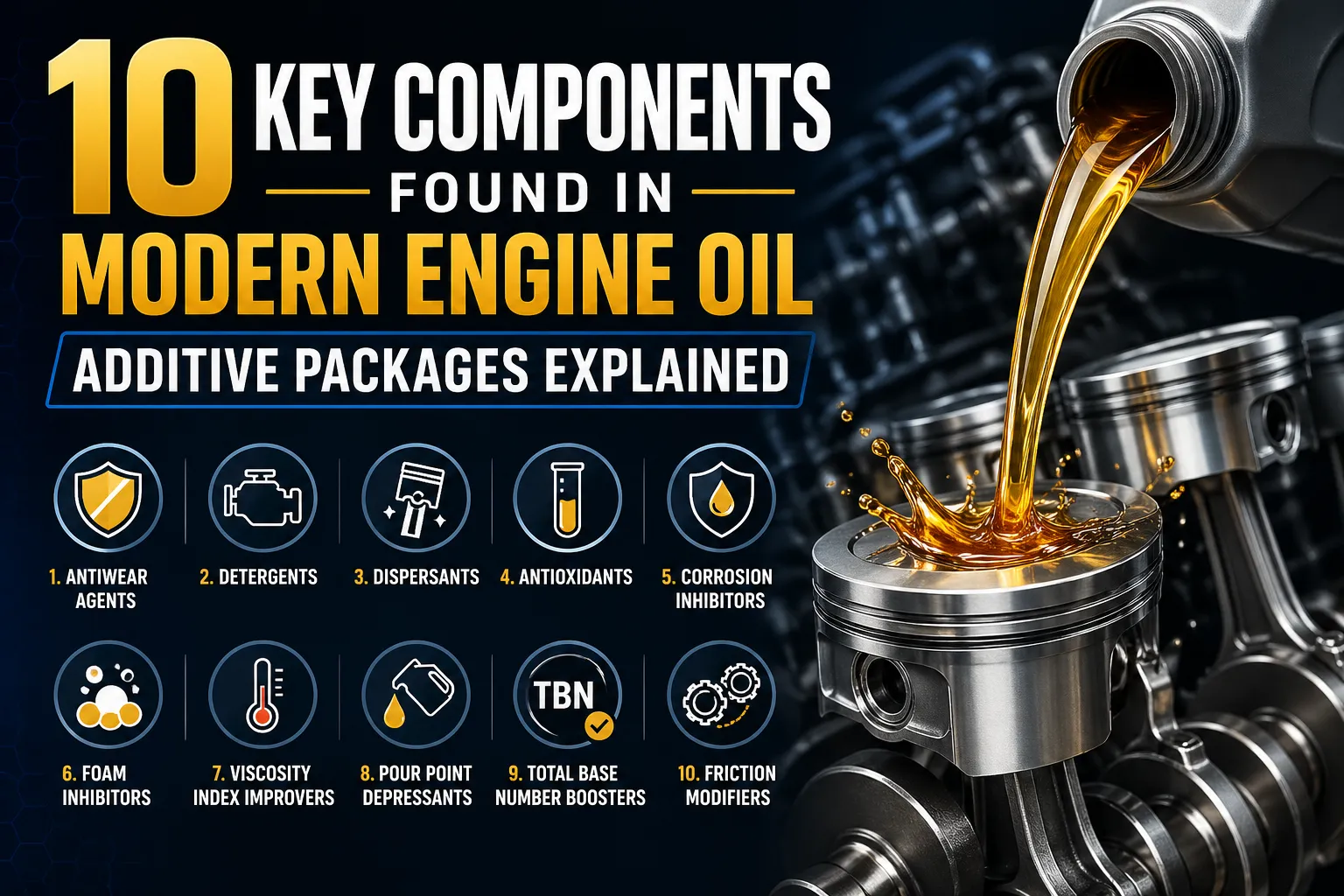
A lubricant is never just one ingredient. It is a blend of base oils and a carefully selected package of additives. Each additive has a job. Some fight wear. Some protect against oxidation. Some keep contaminants suspended so they cannot settle.
If any two components clash, the whole formulation becomes unstable. Incompatibility can lead to:
- Thickening or gel formation
- Foaming that disrupts lubrication
- Breakdown of viscosity
- Reduced protection under heat or pressure
- Shortened equipment life
Because customers expect safe and predictable performance, lubricant additive suppliers must be absolutely certain each ingredient can coexist in a demanding environment.
The Screening Process: Where Compatibility Begins
Before any additive enters testing, suppliers start with screening. This is an early filter to remove obvious risks.
1. Reviewing molecular structure
Chemists examine polarity, reactivity, solubility, and functional groups. Anything that could trigger an unwanted reaction is flagged for deeper testing. This step prevents time being wasted on combinations that were destined to fail.
2. Checking historical data
Most suppliers track decades of performance records. When a new additive is introduced, it is compared to profiles of similar chemistries. If a past combination caused sediment, color change, or instability, it guides the decision to adjust the new formula or test it under stricter conditions.
3. Digital modeling
Modern labs use software to predict reactions. Modeling speeds up the workflow and helps identify which additives require careful monitoring. It also lets chemists see how changes in temperature or pressure might impact compatibility.
Lab Testing: Proving Additives Work Together
Once a candidate passes initial screening, it moves into hands on testing. This stage confirms how additives behave in the real world.
1. Solubility testing
Additives must dissolve fully and stay dissolved. If particles separate over time, the product loses consistency and performance. Technicians evaluate solubility across a range of temperatures, since lubricants may face cold starts and high heat cycles.
2. Storage stability
Compatibility is not only about immediate reactions. Suppliers monitor blends for days or weeks to see if the formula darkens, separates, or forms deposits. Slow forming reactions are just as dangerous as fast ones.
3. Oxidation tests
Oxidation changes a lubricant’s chemistry. When additives accelerate or interfere with oxidation, it can lead to varnish or acid formation. Labs use accelerated aging tests to simulate months of operational stress and see how components behave.
4. Corrosion screening
Certain additive combinations can produce corrosive byproducts. Labs test against copper, steel, and aluminum coupons to confirm equipment metals will remain protected.
5. Foam and air release tests
Foam creates air pockets that interrupt the oil film inside machinery. Some additives increase foaming tendencies, and others prevent it. Testing ensures the balancing act between them is correct.
Compatibility with Base Oils
Additives must work not only with one another but also with the base oil. Whether the lubricant uses mineral oil, PAO, esters, or blends, the chemistry changes. Lubricant additive suppliers check polarity, solvency, and material interactions against each base oil type.
Esters
Esters are highly polar. They can either improve solubility or disrupt it. Suppliers test ester blends more thoroughly to avoid long term stability issues.
Group II and Group III oils
These oils have lower natural solvency. Some additives may not dissolve well without co additive support. Compatibility tests reveal whether boosters or modifiers are needed.
Synthetic blends
Mixed base oils introduce complexity. A package that works in one ratio may not work in another. That is why compatibility testing covers multiple blend ratios before approval.
Field Simulation: Real World Stress Testing
Once lab tests look strong, suppliers push formulas into field simulations. These mimic real equipment demands.
1. Shear stability
Additives must survive mechanical stress without breaking down. Testing confirms viscosity and protection levels remain steady under load.
2. Thermal cycles
Heating and cooling cycles reveal whether a blend expands, contracts, or separates. This is especially important for industrial and automotive applications.
3. Contaminant exposure
Dirt, water, and fuel dilution can change additive behavior. Suppliers test compatibility in contaminated conditions to ensure the formula remains stable.
Collaboration With OEMs
Many suppliers work closely with equipment manufacturers. OEMs provide insight into metallurgy, operating temperatures, and stress conditions. This allows additive packages to be tailored with precision.
In some cases, OEMs run their own tests to validate a supplier’s findings. This double layer of verification ensures the final lubricant performs reliably in high value machinery.
Quality Control at Every Batch
Even the most compatible formula can fail if batches are inconsistent. That is why every production run is tested for:
- Viscosity
- Additive concentration
- Color
- Purity
- Stability
Suppliers use strict quality control guidelines to ensure each drum or container matches the expected performance.
Why Trust Matters in Chemical Compatibility
Not all suppliers maintain the same standards. A trusted partner invests in advanced labs, trained chemists, and tight quality control. This reduces the risk of equipment failure and keeps operational costs down.
If you work in automotive, industrial, or specialty lubrication, choosing a supplier that treats compatibility as a core responsibility is essential for safe and efficient performance.
Ready to Improve Your Formulations?
If you want reliable additive packages backed by thorough compatibility testing, Top Polymers can support your development process with consistent chemistry and strong technical guidance. Our team helps formulators build blends that stay stable under pressure. Reach out today to learn how Top Polymers can strengthen your next project.


























Sign in to leave a comment.