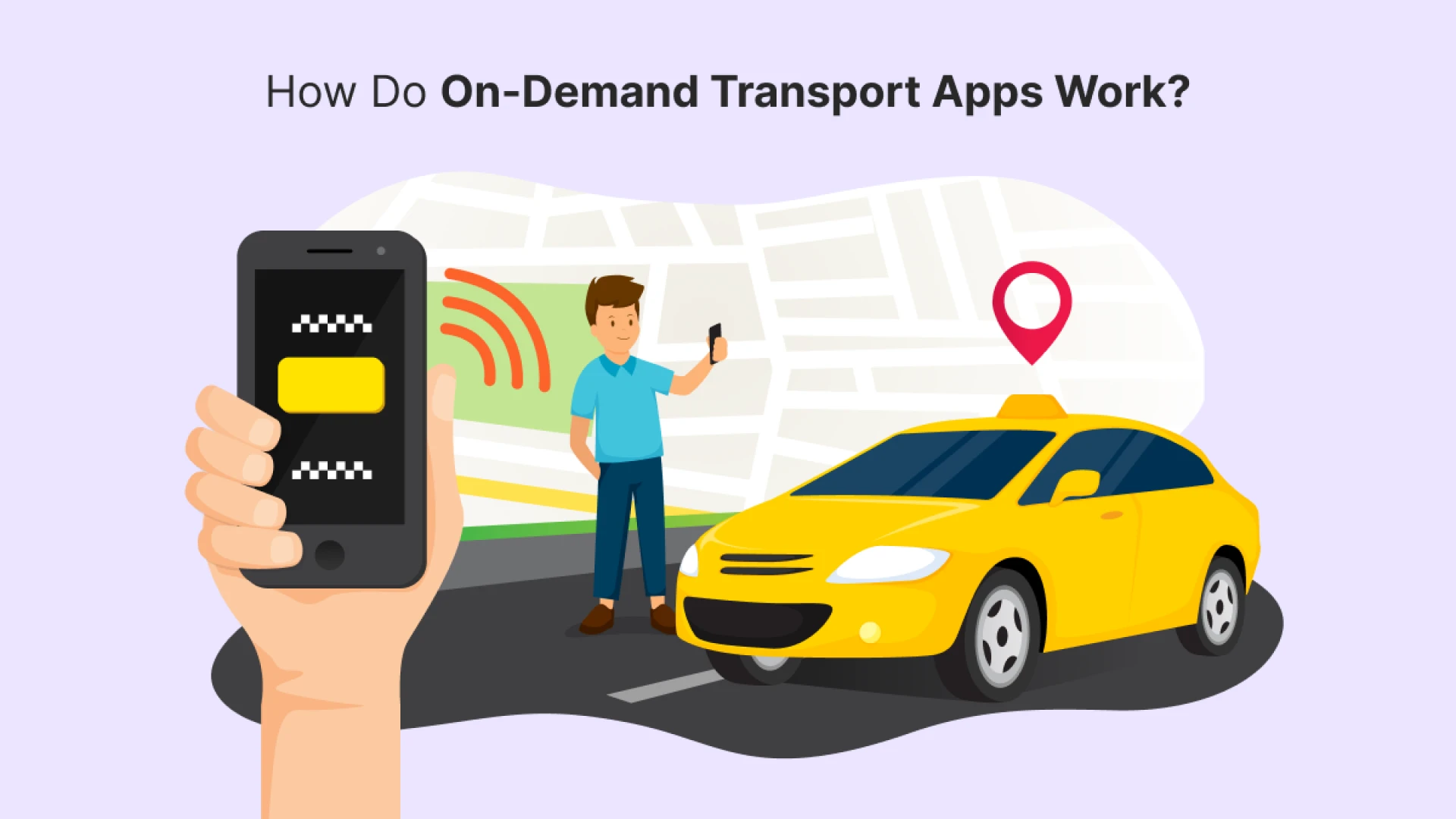

An On-demand transport app has completely changed the way we move around. Whether you're booking a ride to the office, heading to the airport, or sending a parcel across town, these apps make it all easy with just a few taps on your phone. But have you ever wondered how these apps work behind the scenes? What happens from the moment you open the app to the time you complete your ride? In this blog, we'll break it down in a simple way so you understand the entire process. If you're thinking of building your transport app or are just curious, this guide will help you understand how the system works.
What Is an On-Demand Transport App?
An on-demand transport app is a digital platform that allows users to request transportation services in real-time. These services can be for people, like taxis and carpooling, or for goods, like parcel delivery. The app connects passengers or senders with drivers or delivery partners who are available nearby. Everything from booking to tracking and payments happens within the app.
Popular examples include Uber, Lyft, and Bolt for ride-hailing, and apps like Lalamove or Dunzo for delivery. These platforms use smart technology to match supply with demand instantly, making it convenient and fast for users.
Key Components of an On-Demand Transport App
To understand how these apps work, it's important to know what goes into building them. Typically, there are three main panels involved:
User App
This is the app that passengers or customers use to book rides or deliveries. It includes features like registration, service selection, real-time tracking, payment options, ratings, and more.
Driver App
This is the app used by drivers or delivery agents. It helps them accept requests, navigate to the location, update status, and get paid for their services.
Admin Panel
The admin panel is usually a web-based dashboard used by the business owner or operator. It allows them to manage users, drivers, payments, pricing, analytics, and app settings.
How the Booking Process Works
Here’s a step-by-step breakdown of how an on-demand transport app functions from a user's perspective:
Step 1: User Opens the App
The user launches the app and logs in using their credentials or signs up if they’re a new user. The app may use the device’s GPS to detect the current location automatically.
Step 2: Service Selection
The user chooses the service they need. This could be a ride, a delivery, or even a special vehicle like a truck or bike depending on the app’s offerings.
Step 3: Setting Pickup and Drop Locations
Users enter their pickup and drop-off locations. Many apps also allow them to pin their location on a map or choose from saved addresses.
Step 4: Fare Estimate and Confirmation
The app provides an estimated fare based on the distance, time, and vehicle type. If the user agrees with the fare, they can confirm the booking.
Step 5: Driver Matching
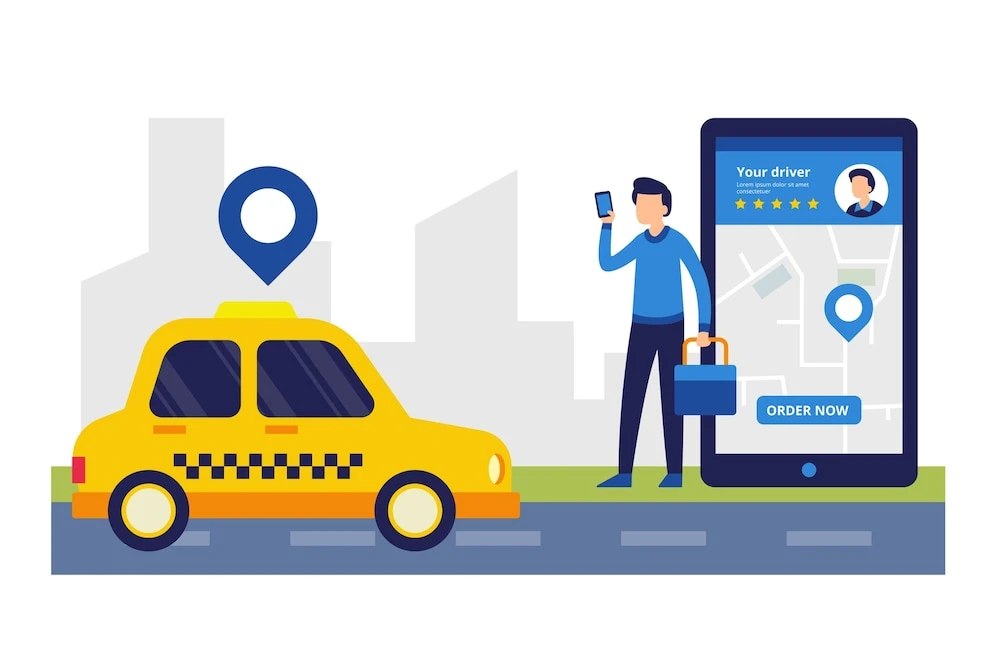
Once the booking is confirmed, the app sends the request to nearby available drivers. A driver accepts the request, and their details are shared with the user.
Step 6: Real-Time Tracking
The user can track the driver in real-time as they make their way to the pickup point. This keeps the experience transparent and reduces waiting time.
Step 7: Ride or Delivery in Progress
After pickup, the app tracks the route in real-time. Users can see estimated time of arrival, and drivers get GPS directions to complete the journey efficiently.
Step 8: Payment and Rating
After the ride or delivery is completed, the user pays using their preferred payment method—wallet, card, or cash. They also get the option to rate the driver and leave feedback.
What Technologies Power These Apps?
On-demand transport apps rely on a range of modern technologies to function smoothly:
GPS and Maps
GPS is used to detect user and driver locations, calculate routes, and offer real-time tracking.
Push Notifications
Push alerts are used to inform users about ride confirmations, driver arrivals, promotions, and payment receipts.
Payment Gateways
Secure payment gateways allow users to pay directly through the app using cards, wallets, or UPI.
Real-Time Matching Algorithms
Smart algorithms help match users with the nearest available drivers based on distance, availability, and ratings.
Cloud Infrastructure
Most apps run on cloud servers to manage high data volumes, user requests, and real-time updates.
Benefits of On-Demand Transport Apps
These apps offer clear benefits to both users and business owners. For users, they make transport convenient, transparent, and fast. For drivers, they offer flexible earning opportunities. For business owners, they open up new markets with minimal physical infrastructure. With detailed data analytics, app owners can also optimize operations and improve customer satisfaction.
Common Challenges Faced
Even though the model sounds smooth, it comes with its own set of challenges:
- Maintaining real-time accuracy in locations and ETA
- Handling peak time requests and driver shortages
- Dealing with cancellations and refunds
- Ensuring safety and verification for both users and drivers
- Managing app downtime or crashes during high usage
These issues can be tackled with strong backend support, regular app updates, and good customer support.
How Businesses Monetize These Apps
Most transport apps follow a commission-based model. This means the app takes a percentage from each ride or delivery. Other revenue streams include:
- Surge pricing during peak hours
- In-app ads or promotions
- Subscription plans for premium users
- Additional service charges for special requests
Read More: Top Features to Include in Your InDriver Clone App for 2025
Who Should Build an On-Demand Transport App?
If you're an entrepreneur or business owner looking to enter the mobility or delivery market, building an on-demand transport app can be a smart move. It’s especially useful in urban areas where people prefer convenience over traditional transport methods. Startups, taxi companies, and even logistics firms can benefit from launching their own platform.
Conclusion
On-demand transport apps work through a well-structured system that connects users with service providers in real-time. From booking and location tracking to payments and feedback, every step is powered by smart technology that simplifies the user experience. Whether you’re a startup or an established business, launching your app in this space can be highly rewarding. However, the key to success lies in building a reliable and user-friendly platform. That’s where a trusted clone app development company can help by offering scalable and cost-effective solutions that speed up your launch and reduce technical hassles.
FAQs
What services can be included in an on-demand transport app?
You can include ride-hailing, car rentals, logistics delivery, bike taxis, or even ambulance booking, depending on your business model.
How long does it take to develop an on-demand transport app?
Using a clone script, it can take 2 to 4 weeks. For custom development, it may take 3 to 6 months.
Can I launch such an app in a small city?
Yes, on-demand transport apps work well in both big and small cities as long as there is a user base and driver availability.
Do these apps support multiple payment options?
Most modern apps support multiple methods like credit cards, wallets, UPI, and cash on delivery.
How can I earn money from an on-demand transport app?
You can earn through commissions, surge pricing, subscriptions, and ads displayed in the app.




























Sign in to leave a comment.