

Many individuals know they need more support than a weekly therapy session, but they are not ready for full-time hospitalization. That leaves many patients wondering which treatment option best fits their situation. If you have recently searched for PHP programs near me, you are likely looking for care that offers daily support while allowing you to return home each evening.
A recent study found that patients in acute partial hospitalization programs reported noticeable reductions in anxiety during the first week of treatment. The findings show that structured daily care can help patients begin making progress early in recovery.1
A partial hospitalization program treatment plan provides intensive therapy, medication management, and clinical support without requiring an overnight hospital stay.
What is a Partial Hospitalization Program?
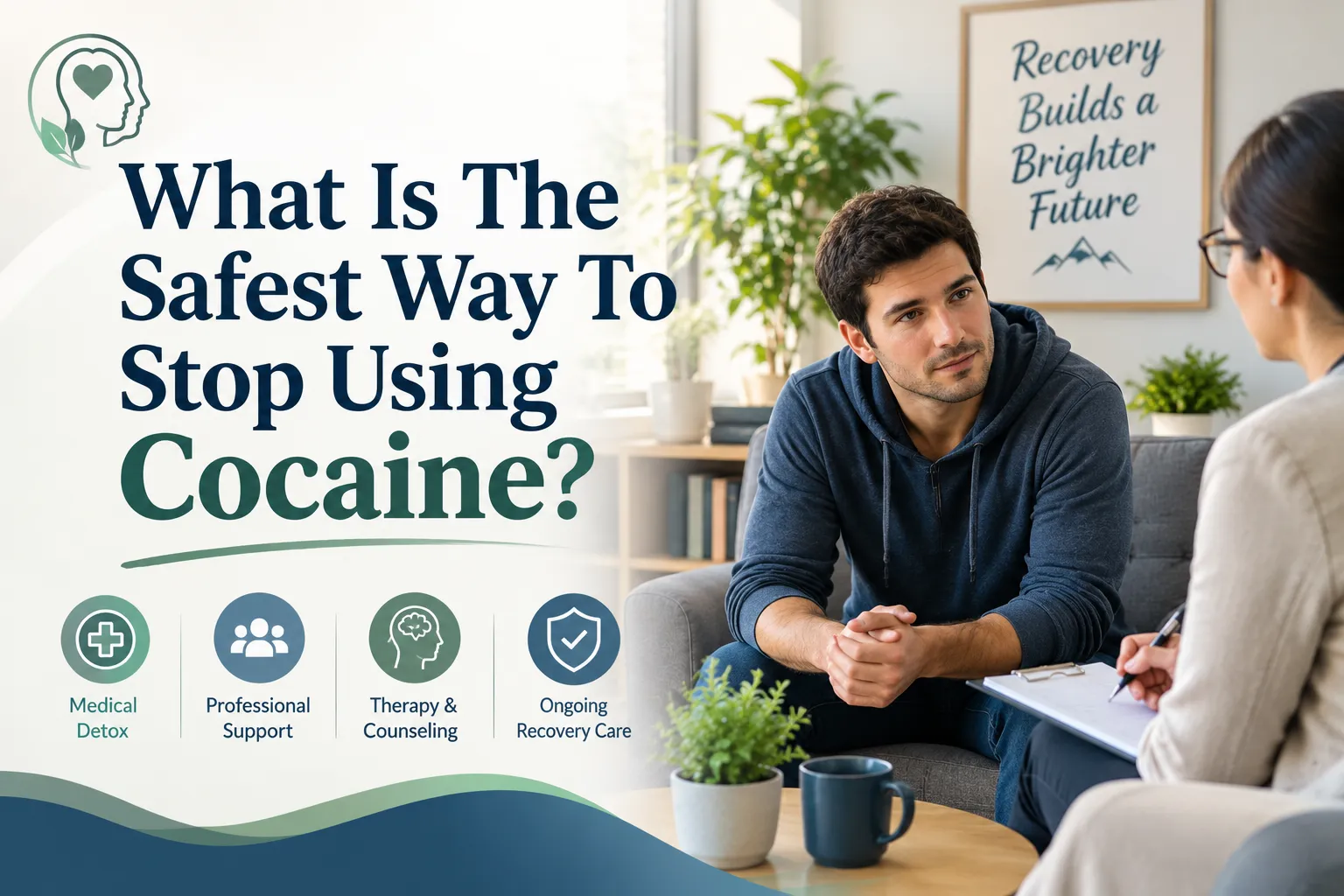
A partial hospitalization program (PHP) provides structured mental health or addiction treatment during the day while allowing patients to return home each evening. It offers more support than weekly outpatient therapy without requiring an overnight hospital stay.
A partial hospitalization program is designed for patients who need intensive care but do not require 24-hour hospital supervision. It is often recommended for individuals living with depression, anxiety, bipolar disorder, trauma, or substance use disorders.
Many patients begin PHP after leaving an inpatient program. Others are referred when weekly therapy is no longer enough to manage their symptoms. For many individuals searching for PHP programs, it offers the right balance between outpatient care and hospitalization.
What Services Are Offered in PHP?
Partial Hospitalization Programs combine multiple treatment services into one daily schedule. Patients receive therapy, psychiatric care, medication management, education, and relapse prevention planning through an individualized treatment plan designed to improve stability and support long-term recovery.
Although every treatment center is different, most partial hospitalization programs offer a combination of services that address both mental health and substance use concerns.
Individual Therapy
Individuals meet privately with a licensed therapist to discuss personal challenges, treatment goals, emotional health, and progress. These sessions help identify triggers, develop healthy habits, and monitor improvement throughout treatment.
Group Therapy
Group sessions are a core part of PHP. Individuals participate in the therapist’s discussions where they can share experiences, build communication skills, and receive support from others working toward similar recovery goals.
Medication Management
Many individuals benefit from medication as part of treatment. A psychiatrist or prescribing provider evaluates medications, adjusts dosages when needed, monitors side effects, and answers questions throughout the program.
Family Therapy
Mental health and addiction often affect the entire family. Family sessions improve communication, strengthen relationships, and help loved ones understand how they can support the individual's recovery.
Skills Development
Individuals learn practical strategies they can apply outside treatment, including:
- Stress management techniques
- Emotional regulation skills
- Healthy communication
- Problem-solving strategies
- Relapse prevention planning
- Daily routine development
Health Education
Educational sessions help individuals better understand their diagnosis, treatment options, medication, recovery planning, and healthy lifestyle habits that support long-term wellness.
Care Coordination
PHP providers often work closely with primary care physicians, outpatient therapists, psychiatrists, and family members to ensure continuity of care after treatment ends.
Because individuals receive several services in one structured schedule, PHP provides a level of support that traditional weekly outpatient appointments cannot always offer.
Who Should Consider A Partial Hospitalization Program?
A healthcare provider may recommend PHP when an individual's symptoms interfere with work, school, relationships, or daily functioning but inpatient hospitalization is not medically necessary.
A patient may benefit from PHP if they:
- Need more support than weekly outpatient therapy provides.
- Have recently completed inpatient treatment and need continued structured care.
- Are experiencing worsening symptoms of depression, anxiety, bipolar disorder, or another mental health condition.
- Need daily therapy while remaining at home.
- Require medication monitoring by a psychiatrist.
- Are at increased risk of relapse after addiction treatment.
- Have not made enough progress with traditional outpatient counseling.
PHP can also benefit patients who have strong family support at home but still require frequent clinical care during the week.
What Are The Benefits Of Partial Hospitalization Programs?
PHP offers several advantages for individuals who need more than weekly therapy but do not require 24-hour supervision.
Some of the main benefits include:
- Receive intensive treatment without staying overnight.
- Continue living at home and spending time with family.
- Access individual therapy, group therapy, and medication management in one program.
- Build healthy routines in a structured environment.
- Reduce the risk of relapse through consistent clinical support.
- Prepare for a smooth transition to a lower level of care after treatment.
For many individuals searching for PHP programs near me, this level of care provides the right balance between flexibility and daily clinical support.
How Much Does A Partial Hospitalization Program Cost?
There is no fixed cost for PHP because every treatment plan is different. Some programs charge a few hundred dollars per day, while others may cost more depending on the services provided.
The overall cost may depend on:
- Length of the program
- Location of the treatment center
- Types of therapy and medical services offered
- Medication management needs
- Insurance coverage and benefits
Before starting treatment, it is always a good idea to verify your insurance benefits and ask the treatment provider about any out-of-pocket costs.
Conclusion
A partial hospitalization program provides intensive treatment without requiring an overnight hospital stay. It helps individuals receive consistent clinical support while continuing to live at home and prepare for long-term recovery.
PHP is often the right choice for individuals who need more support than traditional outpatient therapy but do not require inpatient hospitalization. With daily therapy, medication management, and structured care, patients receive the guidance needed to build healthy routines and continue making progress.
If you have been searching for PHP programs near me, speaking with a qualified behavioral health provider can help determine whether a partial hospitalization program is the most appropriate level of care for your needs.
FAQs
1. How Long Do People Stay In PHP?
Most individuals remain in a partial hospitalization program for four to six weeks, although the exact length depends on their diagnosis, treatment goals, and progress. Some individuals with more complex conditions may stay longer if additional support is needed.
2. What Happens After A PHP Program?
After completing PHP, many individuals transition to an Intensive Outpatient Program (IOP) or regular outpatient therapy. This step helps maintain progress while gradually reducing the amount of treatment each week.
3. Is PHP Considered A Hospitalization?
No. Although a partial hospitalization program provides intensive daily treatment, individuals return home each evening. It offers hospital-level support without requiring a 24-hour inpatient stay.
4. Is PHP The Same As Rehab?
Not exactly. A partial hospitalization program is a level of care that can treat both mental health conditions and substance use disorders. Rehab is a broader term that may include inpatient, residential, outpatient, or PHPs depending on an individual's treatment needs.
























Sign in to leave a comment.