
Keeping track of your small business's financial data can be a daunting task, but luckily, there are some great tools to help. These accounting app can help you streamline the process of tracking your expenses and making payments to your suppliers. You can also get the reports and financial statements, you need to keep track of your business's financial health.
Account Receivables:
Managing accounts receivables for small businesses is a critical task. In fact, failure to collect debts is one of the top reasons small businesses fail. While accounts receivables are essential to a business's financial health, they can also be a headache. If not managed properly, a business's accounts receivables can create a negative cash flow and negatively impact the profitability of a business.
In order to manage accounts receivables for small businesses, you will need to create internal processes and procedures to track debts. You will also need to know how to follow up on outstanding balances.
The turnover ratio of accounts receivables is one measure of how well you are collecting payments. This number is calculated by dividing the average net credit sales by the average accounts receivable balance. The higher the ratio, the more efficient the collection process. You can also compare your ratio with that of the industry in which you operate.
If you have customers who are consistently late in paying, you may have to follow up on their payments multiple times. This can be upsetting and frustrating for both you and your customers. It can also cause your customers to feel harassed.
The key to effective accounts receivables management is to create a system that limits bad debts. This can help protect your business from financial loss and ensure that you get paid as quickly as possible.
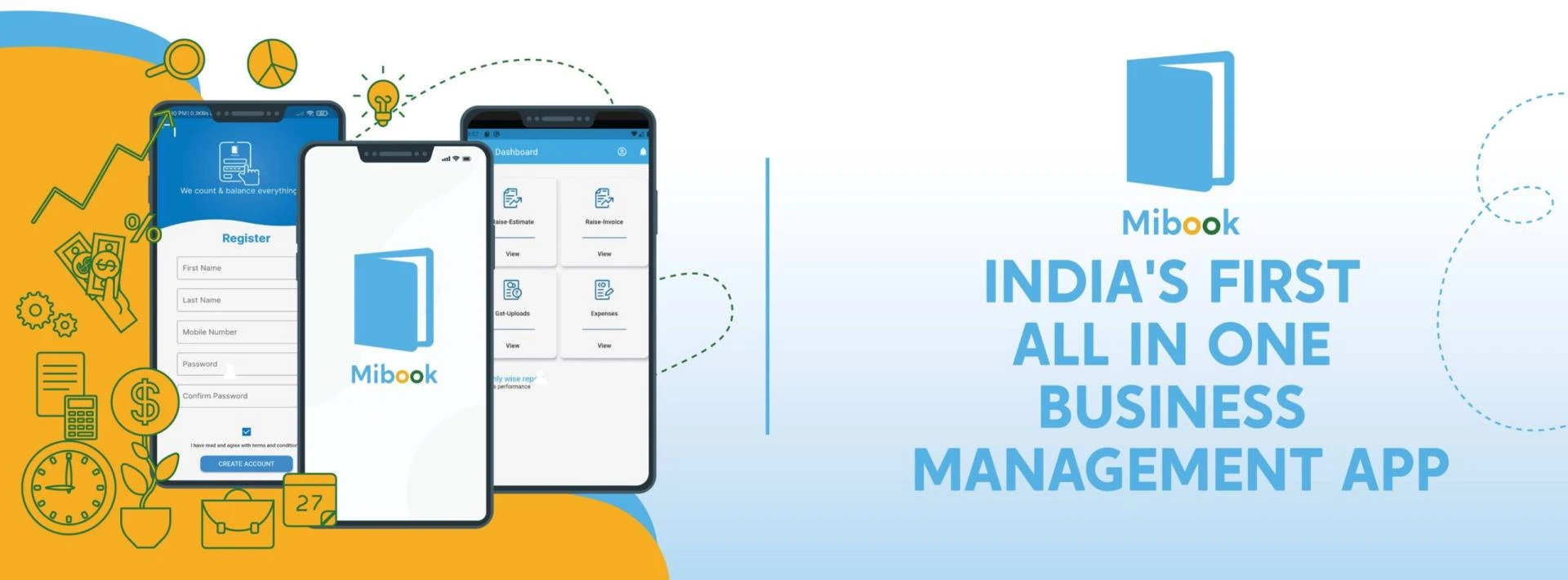
There are a number of accounts receivable software options available to small businesses. These include MIBook. You can also hire a CPA to help streamline the accounts receivable process. You can also choose to have a stand-alone system that focuses solely on accounts receivables.
Whether you are a large company or a small business, you can increase your cash flow and improve your profitability by managing your accounts receivables. Keeping track of your accounts receivables can help you track your customer debts, streamline your invoicing process, and organize your balance sheet. Account receivables can also increase your customer loyalty and help you build strong relationships with your customers.
Scheduling of Payments and Invoices:
Creating and sending invoices and payments is a necessary part of running a business. Invoicing software can make the process easier and ensure that clients receive their invoices on time. It also helps to uncover which customers are most valuable to your business.
The most popular invoicing software programs for small businesses include QuickBooks, FreshBooks, Invoicera, SimplifyThis, and Zoho Invoice. Each program offers different features and benefits. Invoicing software can streamline your business operations and improve your customer service.
MIBook Invoice is a free billing program that allows customers to pay by credit card or through bank transfers. It also includes a free estimate generator and a revenue forecaster. Those who are considering using MIBook Invoice should also consider how it integrates with Stripe, Dropbox, and Google Drive.
MIBook is a browser-based billing and invoicing tool that are ideal for small businesses. It offers an easy to use interface and is accessible from any internet-enabled device. It also allows clients to pay through PayPal or credit cards. It also allows you to view invoices and billing information alongside your bookings and client data.
MIBook also has a recurrence feature. This feature allows you to create a schedule and set the beginning and ending dates. Then, you can set a reminder that sends a notification when it is time to make payment. This is a nice touch for repeat customers.
Another invoicing software program that is popular with small businesses is Scheduling. This program allows you to create invoices, make payments, and record tips. It also allows you to schedule appointments, record time, and a list of deductible expenses. You can even connect it to other accounting software programs such as MIBook.
Scheduling is a great way to make sure your staff is ready to provide high-quality services. It also makes following up easier. The recurrence feature is a great way to make sure your invoices are paid on time. It's also a good idea to have an automated bill payment system to prevent cash flow problems.
Automating Cash and Cash Flow:
Keeping track of cash and cash flow is a critical part of any business. Cash flow management helps you determine whether your organization can pay its expenses while generating a profit. Failing to pay creditors on time can jeopardize your entire business. Using an automated system can help you collect more money and stay on top of cash flow activity.
Manual cash management can be costly and error-prone. To avoid mistakes, your business must ensure that all of its financial data is accurate and up-to-date. You may also need to create a workflow process before implementing a new technology. This will help you identify opportunities for growth.
The best way to automate cash management is to consolidate data from multiple sources. This will eliminate the need to consult different systems and employees. Using a treasury management system will also improve forecasting. Some of these systems are able to manage liquidity, bank fees, loans, and guarantees.
Automation can also help businesses gain control over spending. It can help you monitor spending and generate reports for strategic business decisions. Using an automated payment process can make your AP more reliable and eliminate payment fraud. You can also reduce the amount of overtime payroll needed.
Another way to improve cash flow is to send invoices sooner. If your customers receive their invoices sooner, they'll be more likely to pay. You can also use automated tools to find out the average amount of time it takes to make a payment. You can then use this information to make smart adjustments to your payment terms.
Using an automated payment process can also make invoicing more efficient. Instead of using a paper ledger, you can create an automated system to send invoices directly to your clients. You can also choose to add a pay now link on your invoices. This will make it easy for your clients to pay you, and you can accept pre-authorized debits or credit card payments.
The best automated tools will also include an audit trail to ensure that you're doing everything you should. It can also alert you if there are any unusual disbursement activities.
Reports and Financial Statements:
Whether you are starting a new business or just need to improve your finances, understanding reports and financial statements for small businesses is important. They can provide you with information that will help you make better decisions and help you grow your business.
The three main financial reports for small businesses are the balance sheet, income statement, and cash flow statement. They can be prepared by the business owner or by an accountant. The balance sheet shows the assets and liabilities of a business. This information is typically listed on the left side of the balance sheet. A balance sheet can also contain other information such as a bank account.
A cash flow statement is a report that shows how much money has come into the business and how much has gone out. Money coming into the business includes money coming from sales, investments, loans, and other payments. If the business does not have enough inflow to cover its operating expenses, it will not be able to stay in business. It is important to have enough money to pay for inventory and other expenses.
An income statement is a report that shows the amount of money a business has earned or paid out over a specific period of time. This information is also important to forecast sales and expenses. However, an income statement does not include expenses associated with the purchase of assets. These expenses include depreciation, maintenance, and rent.
An asset is a piece of property, property, or any other resource a business owns. A business may own fixed assets such as property or equipment, as well as intangible assets, such as goodwill. Fixed assets are often used to buy inventory. A business may also own common stock, which is an investment in the company.
Assets are listed first on the left side of the balance sheet. After the assets are listed our revenue and expense accounts. Revenue accounts include money that the business earns in the form of sales, interest revenue, and total cash generated by financial activities.
Assets must always equal the total balance of liabilities. Liabilities are amounts owed to other parties and can be current or long-term. Liabilities are typically listed based on the due dates for payments.





















Sign in to leave a comment.