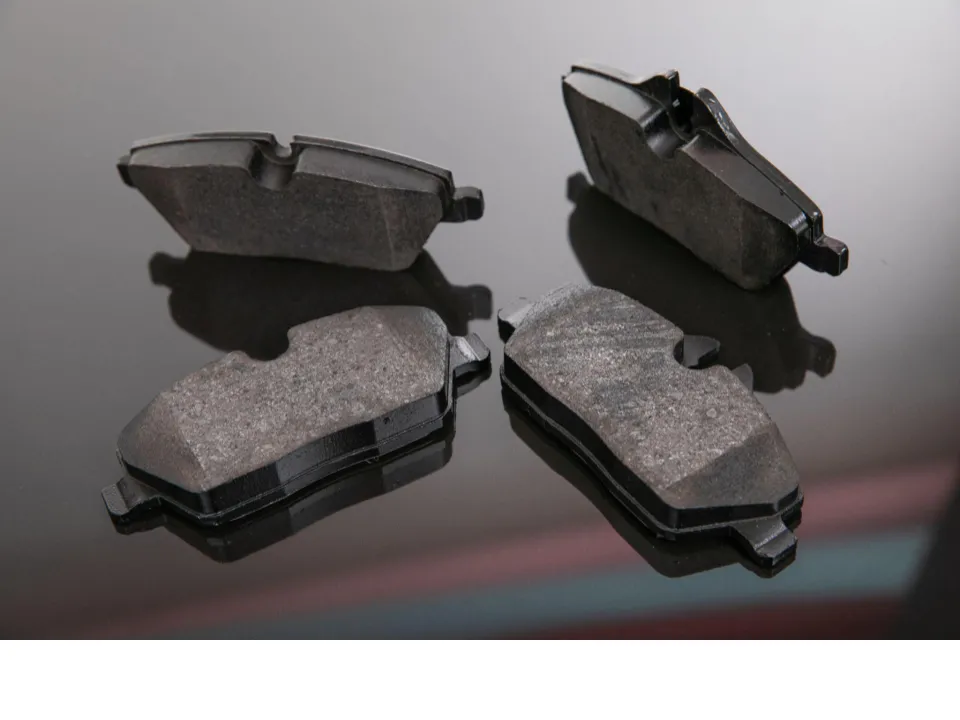

Brake pads are one of the most important safety components in your vehicle, but they are also easy to overlook. Unlike a flat tyre or warning light, worn brake pads do not always make themselves obvious straight away.
Knowing the early warning signs can help you replace them before they damage other braking components or affect your ability to stop safely.
How long do brake pads usually last?
There is no fixed replacement schedule that applies to every vehicle. Brake pad life depends on the vehicle, the type of pads fitted and how the car is driven.
Some brake pads may need replacing after 30,000 kilometres, while others can last 70,000 kilometres or longer. A car regularly driven through busy city traffic will usually wear through its pads faster than one used mainly for open-road travel.
Carrying heavy loads, towing trailers and regularly driving on steep roads can also increase wear. That is why physical inspections are often more useful than relying on mileage alone.
Listen for squealing or scraping
A high-pitched squealing noise is one of the most common signs that brake pads are getting low. Many pads include a small wear indicator designed to make this noise when the friction material reaches a certain level.
A brief squeak after rain or washing your car is not always a concern. Moisture and light surface rust can cause temporary noise that disappears after a few stops. Regular squealing that happens each time you brake should be checked.
Grinding or scraping is more serious. It can mean the pad material has worn away and metal is contacting the brake disc. Continuing to drive may damage the discs and turn a straightforward pad replacement into a much more expensive repair.
Pay attention to how the brakes feel
You drive your vehicle regularly, so you are often the first person to notice when something feels different.
The brake pedal may feel softer than usual, require more pressure or travel further before the vehicle begins to slow down. You might also notice that stopping takes longer or the brakes do not feel as responsive.
A change in pedal feel is not always caused by worn pads. Brake fluid, discs, calipers and other parts of the system can also be responsible. Any noticeable change should be inspected rather than ignored.
Watch for vibration or pulling
Vibration through the brake pedal or steering wheel can point to uneven brake pad wear or an issue with the brake discs. If the vehicle pulls to one side while braking, one side of the braking system may be working harder than the other.
These symptoms can affect vehicle control, particularly during sudden stops or in wet conditions. An inspection can identify the source of the problem and confirm which parts need attention.
Check for a warning light
Some modern vehicles have electronic brake pad wear sensors. When the pads reach their minimum thickness, a warning light or dashboard message will appear.
This feature is useful, but not every vehicle has it. Sensors can also be fitted to only one axle or one side of the car. Regular servicing and visual brake inspections are still important, even if no warning light is showing.
What happens if you wait too long?
Delaying a brake pad replacement can reduce braking performance and damage the discs. In more serious cases, excessive wear may also affect the calipers and other components.
Replacing pads at the right time is usually much simpler and more affordable than repairing the wider braking system. It also gives you greater confidence that the vehicle will respond properly when you need to stop quickly.
Choosing the right brake pads
Brake pads are available in different materials and specifications. The right option depends on your vehicle, typical driving conditions and the level of comfort, noise and braking response you expect.
You do not need a racing car to benefit from good-quality brake components. Race Brakes also supplies brake pads for everyday road vehicles, helping drivers find reliable options suited to normal commuting, family travel and general road use.
If your brakes are making unusual noises or no longer feel quite right, arrange an inspection. Brake wear tends to happen gradually, but dealing with it early can protect your vehicle, reduce repair costs and keep you safer on the road.






























Sign in to leave a comment.