Running a cattle operation efficiently depends on more than good breeding or feeding programs. The real backbone of a productive farm is a well-maintained handling system , one that moves animals safely, reduces stress, and keeps your crew working without unnecessary delays or injuries. Whether you're processing weaners or working with mature stock, the condition of your calf handling equipment and overall yard infrastructure directly affects how every work day runs.
This guide walks you through how to keep your entire system in top condition , from the entry point of your cattle yards all the way through to the crush.
Why Regular Maintenance of Your Cattle Handling System Matters
A breakdown at the wrong moment , mid-muster, mid-treatment, or mid-pregnancy testing , costs you time, money, and animal welfare. A gate that sticks, a rail that bends under pressure, or a crush that fails to lock properly can turn a smooth operation into a dangerous situation fast.
Beyond safety, well-maintained equipment:
- Keeps cattle moving calmly and predictably
- Reduces handler fatigue and the risk of injury
- Extends the lifespan of your infrastructure
- Keeps your operation aligned with animal welfare standards
The key is building a maintenance routine into your calendar , not waiting until something breaks.
Starting Point: Maintaining Your Cattle Yards
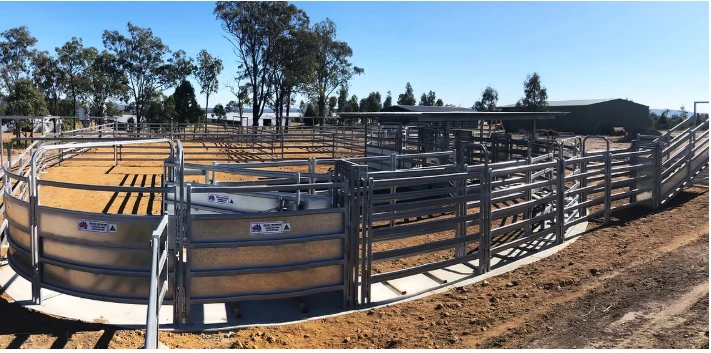
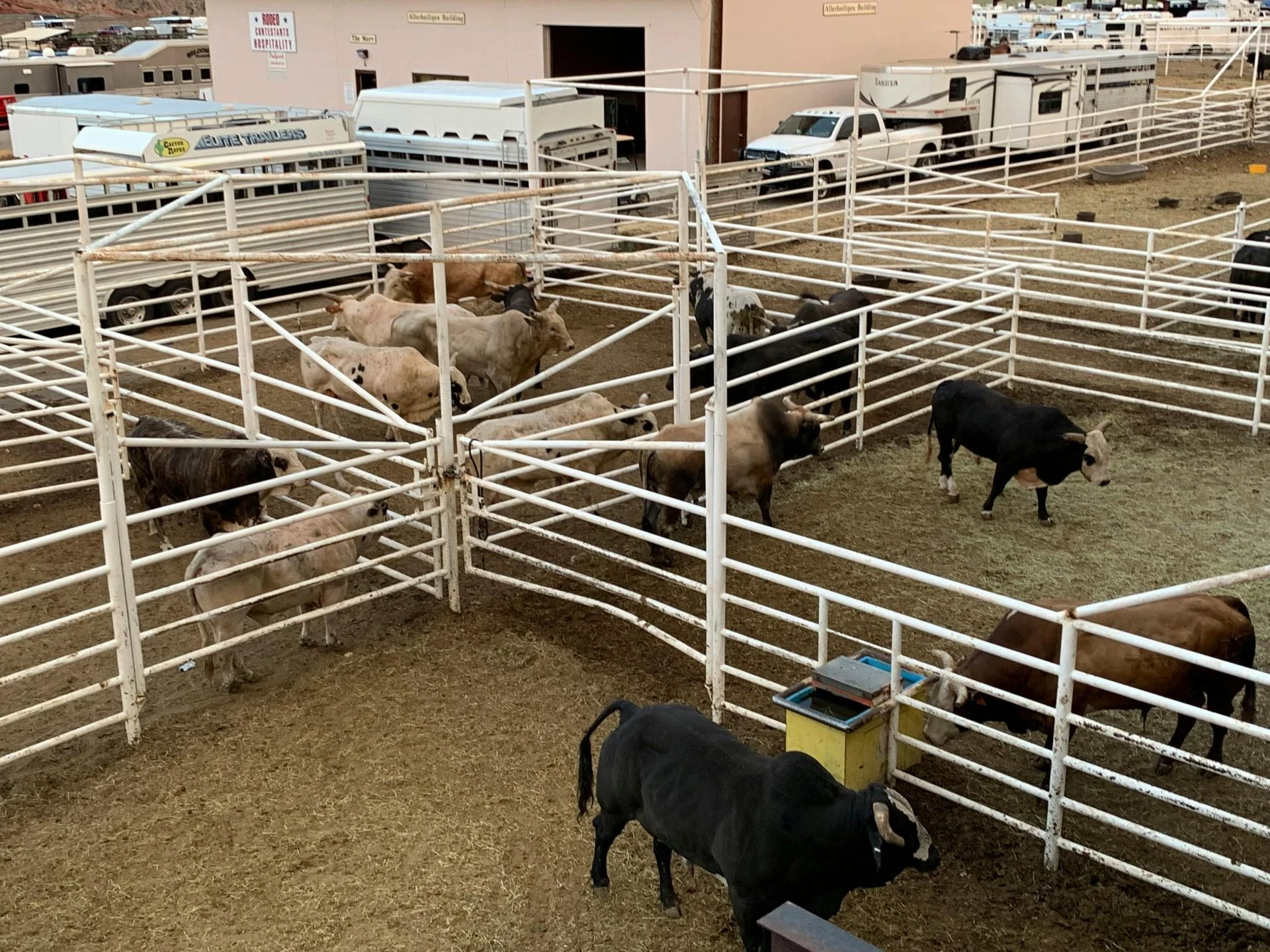
Your yards are where the entire process begins. If the entry, laneways, and holding pens aren't functioning properly, everything downstream suffers.
Inspect Gates, Hinges, and Latches Regularly
Gates take enormous punishment. They swung hard, leaned on, and pushed by unsettled animals. Check every hinge and latch at least once a month. Look for:
- Bent or worn hinge pins
- Latches that don't fully engage
- Gates that sag or drag on the ground
Catching these issues early prevents failures during a work day, when you can least afford the disruption.
Check Rail Integrity and Post Stability
Walk every panel and rail in your cattle yards and look for stress fractures, rust spots, or corrosion at welds. In high-traffic areas, rails can bow outward over time under repeated pressure. Tighten bolts and check post footings for movement , particularly after wet seasons when the ground shifts.
Steel panels should be cleaned of mud and organic buildup regularly. This slows corrosion and makes it easier to spot developing cracks or weak points before they become structural problems.
Keep Laneways Clear and Appropriately Sized
Laneways that are too wide create chaotic movement. Cattle bunch up, turn around, and become difficult to direct. Lane widths should suit the class of stock you're running, and there should be no sharp corners or blind ends that cause animals to baulk.
Low-stress stock movement starts with good yard design and consistent upkeep. A well-flowing laneway reduces the time it takes to process each mob and the stress placed on both animals and handlers.
Caring for Your Calf Handling Equipment
Calves require a different level of care than adult cattle , they're smaller, more vulnerable, and easier to injure if equipment isn't properly sized or adjusted. Getting the maintenance right on your calf handling equipment is as much about animal welfare as it is about operational efficiency.
Adjust Crush Width and Head Bail Settings for Smaller Stock
Many producers use the same crush for calves as they do for cows. If that's the case on your property, make sure the crush width can be narrowed appropriately. A calf that's too small for the current settings can slip, fall, or become distressed , which creates handling problems and increases the risk of injury.
Check adjustment bolts and sliding mechanisms regularly for smooth, responsive operation. Lubricate adjustment rails so width changes can be made quickly between different mobs without tools or delays.
Inspect Anti-Escape Features and Tailgate Operation
Calves are quick and instinctively try to reverse out of confinement. A properly functioning anti-escape bar or tailgate prevents animals from backing out before treatment is complete. Inspect these components every time you set up for a calf work day , the tailgate locking mechanism in particular wears quickly under repeated use and should be replaced at the first sign of looseness or inconsistency.
Padding and Injury Prevention
Younger animals have thinner skin and developing bones. Where possible, fit rubber padding or edge protectors on any metal contact points within the crush or race that a calf might be pressed against during processing. This reduces bruising, keeps animals calmer, and leads to better outcomes for both the stock and the people handling them.
The Crush: The Heart of Your Handling System
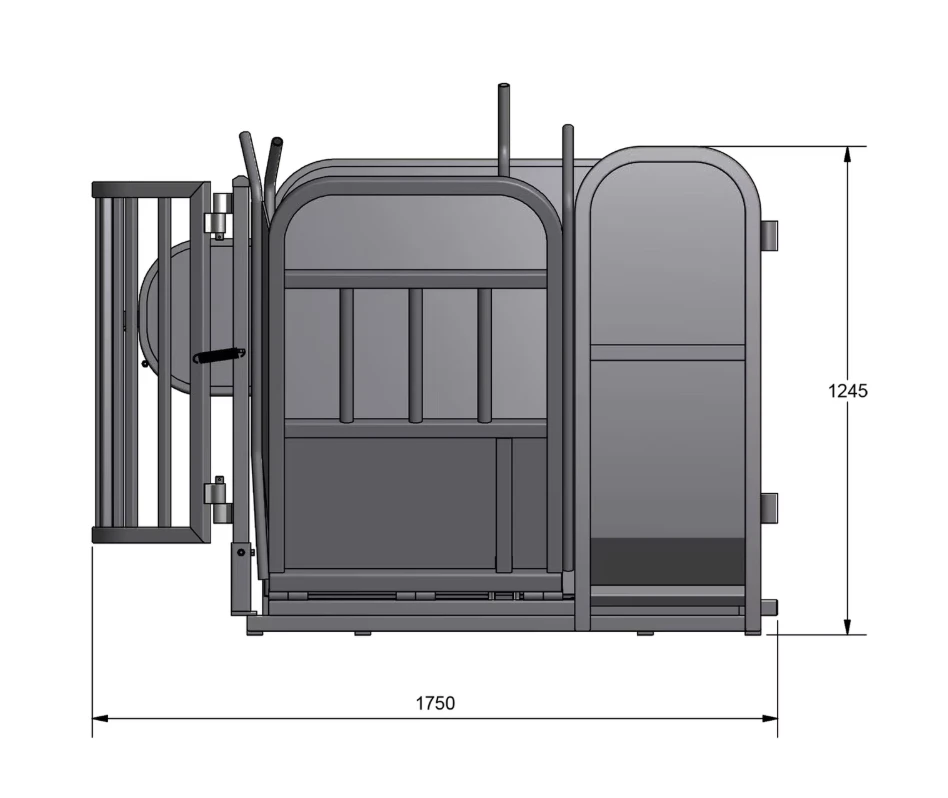
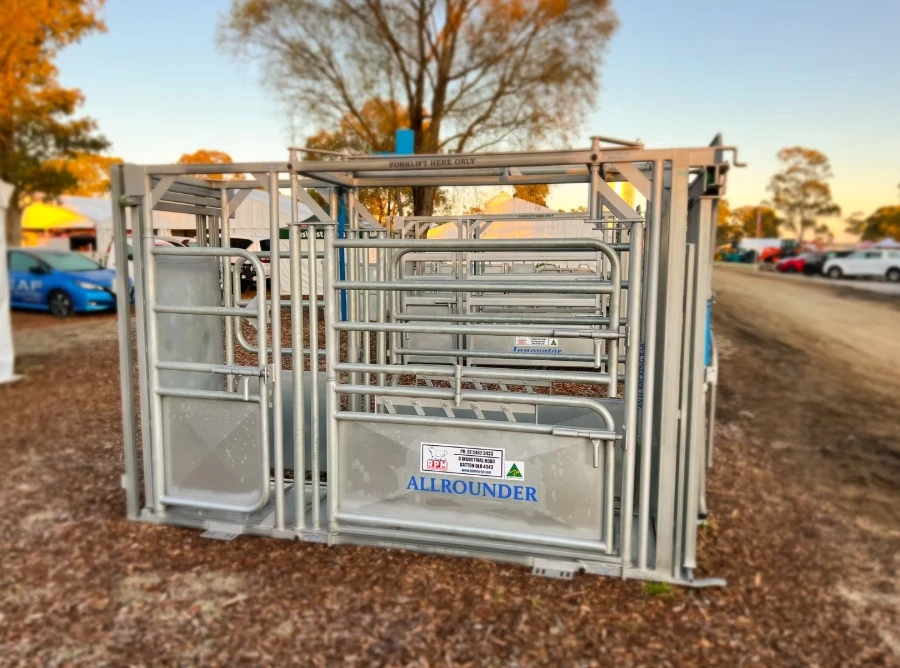
The crush is where the real work happens , vaccinations, pregnancy testing, tagging, weighing, and more. It handles more physical stress than any other component in your system and therefore needs the most consistent attention.
Lubricate All Moving Parts After Every Use
Head bail mechanisms, side squeese panels, and floor grates all need regular lubrication. Apply an appropriate agricultural lubricant after every major work session. Dry or stiff mechanisms slow you down and increase the physical effort required to operate the crush , which can lead to rougher, less precise handling.
Pay Close Attention to the Head Bail Lock Mechanism
The head bail is the most critical safety feature on your crush. If it fails to lock securely, you risk injury to both the animal and the operator. Test the locking mechanism under load before each work session. Worn locking plates or pawls should be replaced at the first sign of play or failure to hold firmly.
Manage the Floor and Drainage
Crush floors that collect mud, manure, and standing water become slippery and hazardous quickly. Check that drainage is functioning properly beneath the crush and clean the floor after each use. If the floor surface has become smooth or polished through wear, non-slip inserts are a practical and inexpensive fix.
Building a Preventive Maintenance Schedule
Reactive maintenance , fixing things after they break , is more expensive and disruptive than prevention. A structured routine takes the guesswork out of upkeep and makes it far easier to spot problems before they escalate.
A practical schedule might look like this:
- Weekly: Lubricate moving parts, check gate latches and head bail function
- Monthly: Inspect all rails, posts, and welds across the cattle yards
- Seasonally: Full system audit, replace worn components, review calf handling equipment adjustments for the upcoming work period
- Annually: Thorough review of crush integrity, drainage, and overall yard layout
Keeping a maintenance log also helps , it lets you track recurring issues, plan ahead for replacements, and build a clear record of your husbandry practices.
A Note on Equipment Quality and Long-Term Value
Even the best maintenance routine has limits if the underlying equipment isn't built to handle the demands placed on it. Cattle handling infrastructure is a long-term investment, and choosing equipment suited to your operation , in terms of stock type, scale, and terrain , makes ongoing maintenance far more manageable.
RPM Livestock Equipment is an Australian manufacturer that specialises in cattle handling systems designed for real working conditions, covering everything from full cattle yard setups to purpose-built calf handling equipment and crushes. If you're reviewing or upgrading your current setup, it's worth exploring what options suit your operation and the type of stock you run.
Ultimately, whichever equipment you use, the principles in this guide apply across the board. A consistent, structured maintenance approach is the single most effective thing you can do to keep your handling system safe, efficient, and working reliably year after year.


























Sign in to leave a comment.