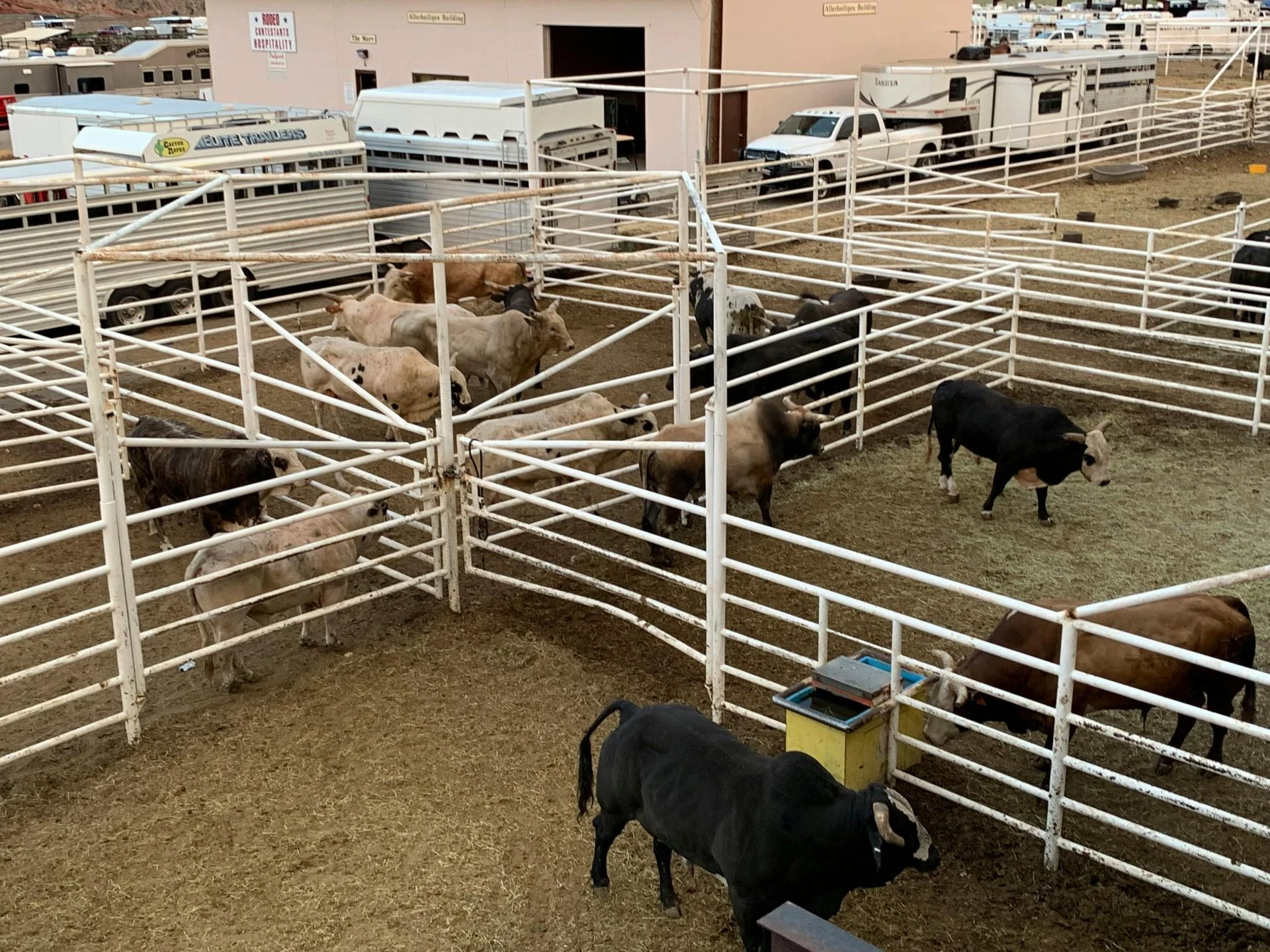
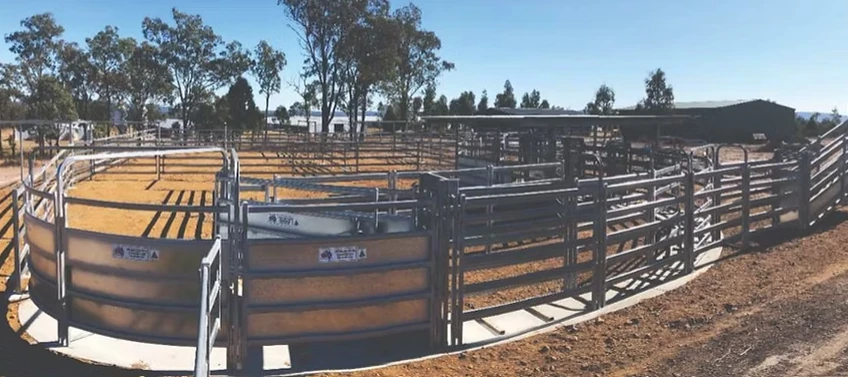
When it comes to building a safe and functional portable cattle yard, one of the biggest challenges graziers face is securing the setup on uneven ground. Whether you're managing a large herd or working in rugged paddocks, stability is non negotiable. Uneven terrain can cause instability, risking the safety of both livestock and handlers.
So, how do you ensure your cattle yard panels stay secure and functional, no matter the landscape? In this guide, we’ll break down the best methods, tools, and expert tips to help you anchor your yard panels safely, even when the ground isn't playing fair.
![What’s the Best Way to Secure Cattle Yard Panels on Uneven Ground?]() Why Ground Conditions Matter in Portable Cattle Yards?
Why Ground Conditions Matter in Portable Cattle Yards?
Every livestock handler knows that no two paddocks are alike. From rocky rises to soft, muddy flats, each environment affects how your portable cattle yard performs. On flat, stable ground, most standard setups do just fine. But introduce a slope, loose soil, or rocky patches, and things can get risky quickly.
Unsecured or poorly aligned cattle yard panels can result in:
- Panels shifting under pressure
- Panels tipping or sagging
- Increased risk of injury to livestock or handlers
- Reduced yard efficiency and flow
That's why it's critical to choose the right anchoring strategies from the start.
Choosing the Right Portable Cattle Yard Panels
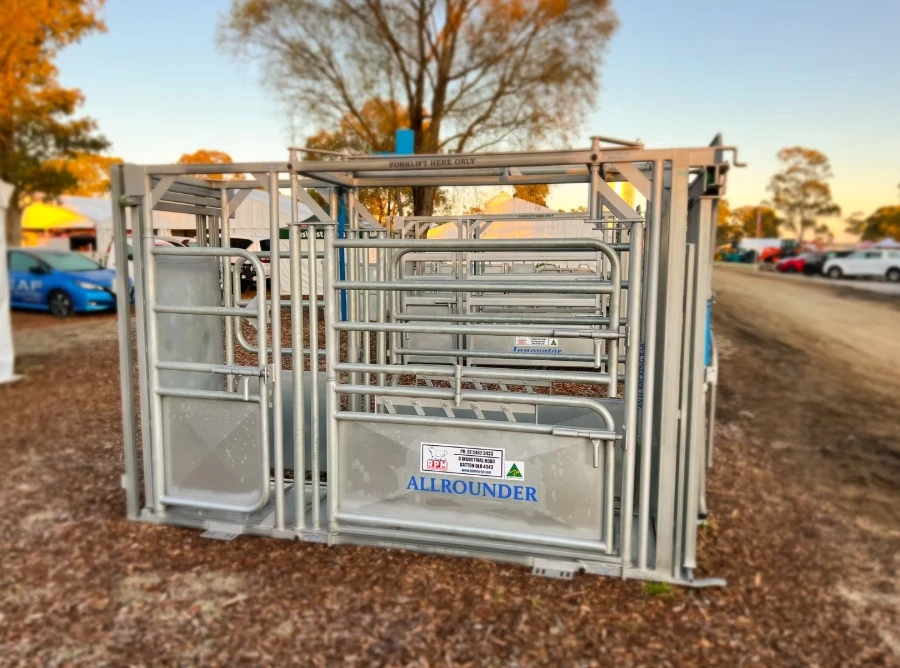
Before diving into securing methods, it’s worth noting that not all cattle yard panels are created equal. Your first line of defense against uneven ground is selecting high quality, well designed panels that are built for real Australian conditions.
Features to Look For:
- Heavier duty steel frames for added weight and stability
- Foot plates or base support to distribute pressure
- Interlocking or pin together designs to prevent gaps
- Adjustable heights (when available) to better accommodate ground variations
At RPM Livestock Equipment, every panel is designed with rugged terrain in mind. Our products are engineered to withstand pressure, flex without breaking, and adapt to the practical needs of farmers and graziers across the country.
Best Methods to Secure Cattle Yard Panels on Uneven Ground
Let’s walk through several practical strategies you can use to secure your setup when dealing with challenging ground.
1. Use Ground Pins or Star Pickets
For slightly uneven or soft terrain, ground pins or star pickets can provide reliable anchorage. Simply drive them through dedicated holes or alongside the panel legs, and tie off or clamp the panel securely.
Tips:
- Choose rust-resistant, high tensile steel pins
- Hammer them in at an angle for extra strength
- Use cable ties, clamps, or panel lugs to secure to the pickets
2. Incorporate Stabiliser Bars or Bracing
Stabiliser bars or diagonal braces add extra support, especially when working on slopes or where panels are under higher stress. These components help distribute force across multiple points and prevent the structure from twisting or collapsing.
Where to install them:
- Corners
- Gate junctions
- Holding or forcing yards
3. Utilise Foot Plates and Leveling Pads
Some portable cattle yard panels come with foot plates that can be bolted into the ground or rested on leveling pads. These are ideal for semi permanent setups or where you're dealing with extremely uneven or rocky ground.
Leveling pads can be made from:
- Timber sleepers
- Concrete pavers
- Custom cut rubber mats
These materials help create a level base and reduce movement from animal pressure.
4. Join Panels Tightly With Locking Pins
Ensuring every cattle yard panel is locked tightly into the next with locking pins or lugs makes a massive difference. This creates a unified structure, rather than a series of individual, movable parts.
If even one panel is loosely connected, it becomes a weak point in your entire yard system.
5. Position Panels Strategically
Sometimes, the solution isn't just about equipment but planning. When laying out your yard on sloped or bumpy ground:
- Position gates and high traffic areas on the flattest sections
- Avoid placing holding pens on steep gradients
- Run longer panels parallel to the slope to reduce tipping
At RPM Livestock Equipment, our experienced team can help you design a layout that suits your landscape while keeping efficiency and animal flow top of mind.
Pro Tips from the Paddock
Here are a few extra takeaways from livestock operators who’ve battled uneven ground:
- Mark high and low points with stakes and string before laying out your yard
- Reassess panel positioning after your first trial run animals will show you where the pressure points are
- Check stability often especially after heavy rainfall or ground shifts
- Invest once, save later sturdy, durable panels from trusted manufacturers mean less time fixing and more time working
Why RPM Livestock Equipment Stands Out?
If you're in the market for a portable cattle yard that’s built to handle Australia’s toughest conditions, RPM Livestock Equipment delivers.
Here’s what sets us apart:
- Heavy duty steel construction built for durability and safety
- Custom panel and yard configurations tailored to your property
- Expert support and advice from real stock handlers and engineers
- Proven performance in rugged environments across the country
Whether you're dealing with steep hills, floodplains, or stony ground, RPM has the gear to keep your stock secure and your operation moving smoothly.
Final Thoughts: Secure Your Panels, Protect Your Livestock
Uneven ground shouldn't stand in the way of building a reliable portable cattle yard. With the right setup, a strategic layout, and quality components from RPM Livestock Equipment, you can run your yard with confidence even in less than ideal terrain.
Don’t compromise safety or functionality. Invest in the right equipment and secure your cattle yard panels properly from day one.


























Sign in to leave a comment.