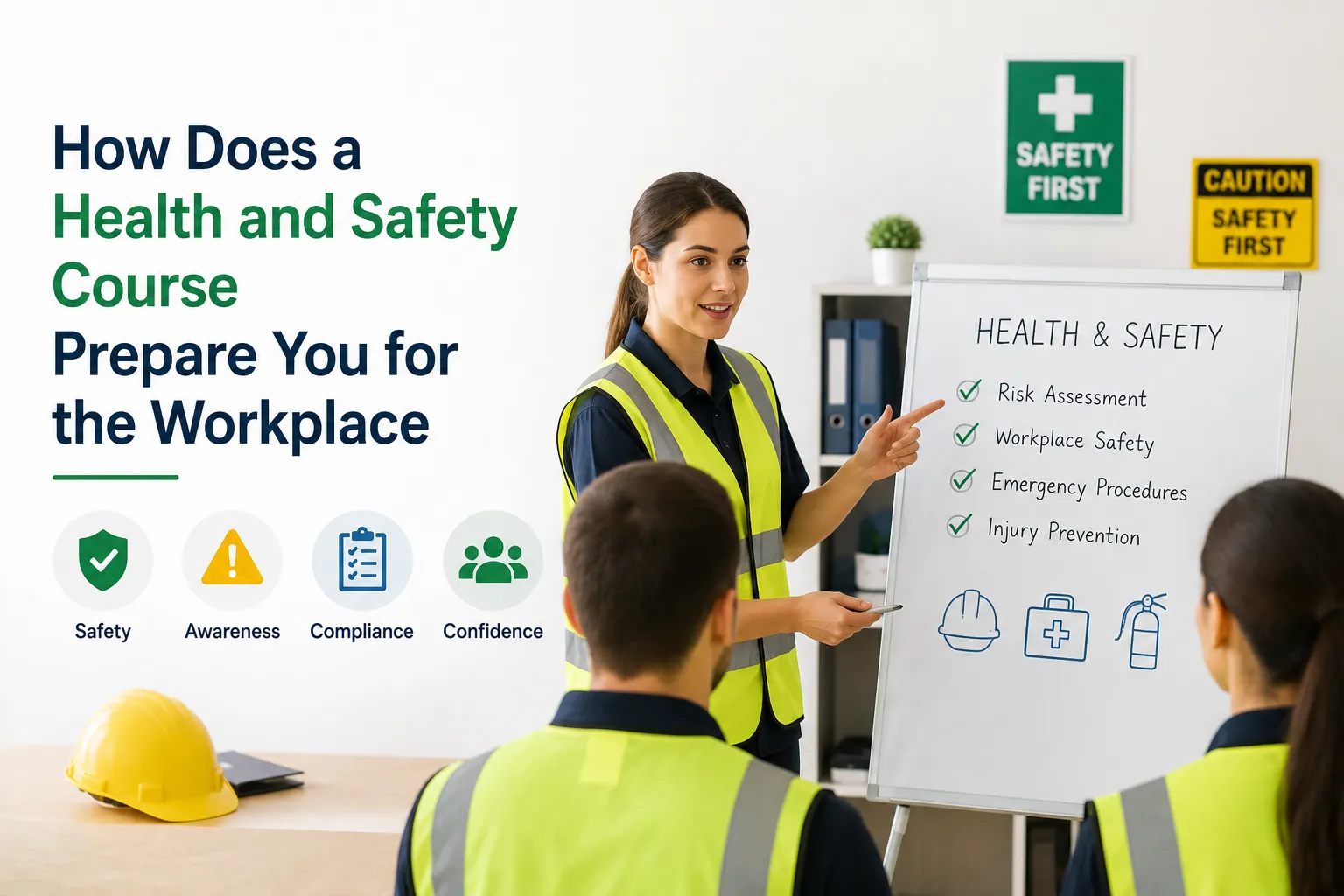

Introduction
Every workplace, regardless of industry, carries some level of risk, and understanding how to manage that risk is a fundamental part of being job-ready. A health and safety course equips individuals with the practical knowledge and confidence needed to work safely, respond to hazards, and meet workplace responsibilities from day one. Organisations such as HCA London provide structured training that helps learners build these essential skills before stepping into the workplace.
Why Health and Safety Knowledge Matters in Any Workplace
Workplace accidents and near misses are rarely the result of a single mistake. More often, they stem from a lack of awareness, poor risk assessment, or unclear procedures. This is true across healthcare, care settings such as end of life care, offices, and manual working environments alike.
Understanding health and safety principles helps individuals recognise hazards before they become incidents, follow correct procedures under pressure, and contribute to a safer environment for colleagues, clients and the public. Without this awareness, even small oversights can lead to serious consequences, both for the individual and for those around them.
For employers, staff who understand health and safety are a genuine asset. They reduce risk, support compliance, and help maintain a workplace culture where safety is taken seriously rather than treated as an afterthought. This, in turn, builds trust between employees, management and the people they serve.
Key Skills a Health and Safety Course Develops
Hazard Identification and Risk Assessment
One of the first skills learners develop is the ability to spot potential hazards, from trip hazards and faulty equipment to poor manual handling practices. Alongside this, courses teach how to carry out basic risk assessments, weighing up likelihood and severity to decide on appropriate action.
This skill applies across almost every industry, making it one of the most transferable outcomes of workplace training. Whether working in an office, a care setting, or a physically demanding role, the ability to assess risk before it becomes a problem is invaluable.
Understanding Legal Responsibilities
A health and safety course also introduces learners to the legal framework surrounding workplace safety, including the responsibilities of both employers and employees. Understanding these obligations helps individuals recognise when standards are not being met and know how to raise concerns appropriately, without fear of repercussion.
This legal awareness is particularly valuable in regulated sectors such as healthcare and social care, where compliance is closely monitored and failure to meet standards can have serious consequences for both staff and service users. It also gives employees the confidence to challenge unsafe practices constructively, knowing they are acting within their rights.
Emergency Procedures and Incident Response
Knowing how to respond calmly and correctly in an emergency, whether it is a fire, an injury, or another critical incident, can make a significant difference to outcomes. Training covers evacuation procedures, basic incident reporting, and when to escalate a situation to senior staff or emergency services.
This preparation reduces panic and confusion, helping individuals act decisively when it matters most. In high-pressure moments, having a clear, practised procedure to follow can be the difference between a controlled response and a chaotic one.
Safe Use of Equipment and Materials
Many workplaces involve some form of equipment, machinery, or hazardous materials. Health and safety training covers safe handling practices, correct use of protective equipment, and how to store or dispose of materials responsibly.
This practical knowledge reduces the likelihood of injury and supports safer day-to-day operations, giving both employees and employers greater confidence that tasks are being carried out correctly.
Promoting a Culture of Safety
Beyond individual actions, learners are encouraged to understand their role in promoting safety more broadly, from reporting hazards to supporting colleagues in following correct procedures. This contributes to a workplace culture where safety becomes a shared responsibility rather than an afterthought, and where everyone feels empowered to speak up when something does not look right.
Who Benefits from Health and Safety Training
Health and safety training is not limited to one type of role. It benefits:
- New employees preparing to enter a workplace for the first time.
- Care and healthcare workers operating in environments with specific regulatory requirements, including specialist areas such as end of life care.
- Supervisors and managers responsible for overseeing safe working practices.
- Anyone working with equipment, hazardous materials, or in physically demanding roles.
Because workplace hazards vary so widely, this training is valuable across almost every sector and career stage. Even experienced professionals benefit from regular refreshers, as procedures and best practices continue to evolve over time.
How This Training Supports Long-Term Career Readiness
A solid grounding in health and safety does more than prepare someone for their first day at work. It builds habits and awareness that carry through an entire career, supporting safer working practices at every stage of professional development.
For those seeking supervisory or management roles, this knowledge becomes even more important, as responsibility for the safety of others often forms a core part of the job. Demonstrating this understanding through recognised training can also strengthen a CV, showing employers a genuine commitment to safe, responsible working practices. Over time, this reputation for reliability can open doors to greater responsibility and career progression.
Conclusion
A health and safety course does far more than tick a compliance box. It builds practical, transferable skills, from hazard awareness and risk assessment to emergency response and legal understanding, that prepare individuals to work confidently and responsibly in any environment.
Whether starting a new role or aiming to progress into a position of greater responsibility, this foundational training plays a key role in shaping safer, more capable professionals. Many go on to broaden their expertise through a wider selection of CPD-certified courses, continuing to build the skills and confidence needed throughout their career.

























Sign in to leave a comment.