How Does a Phone Verification API Improve User Authentication and Security?

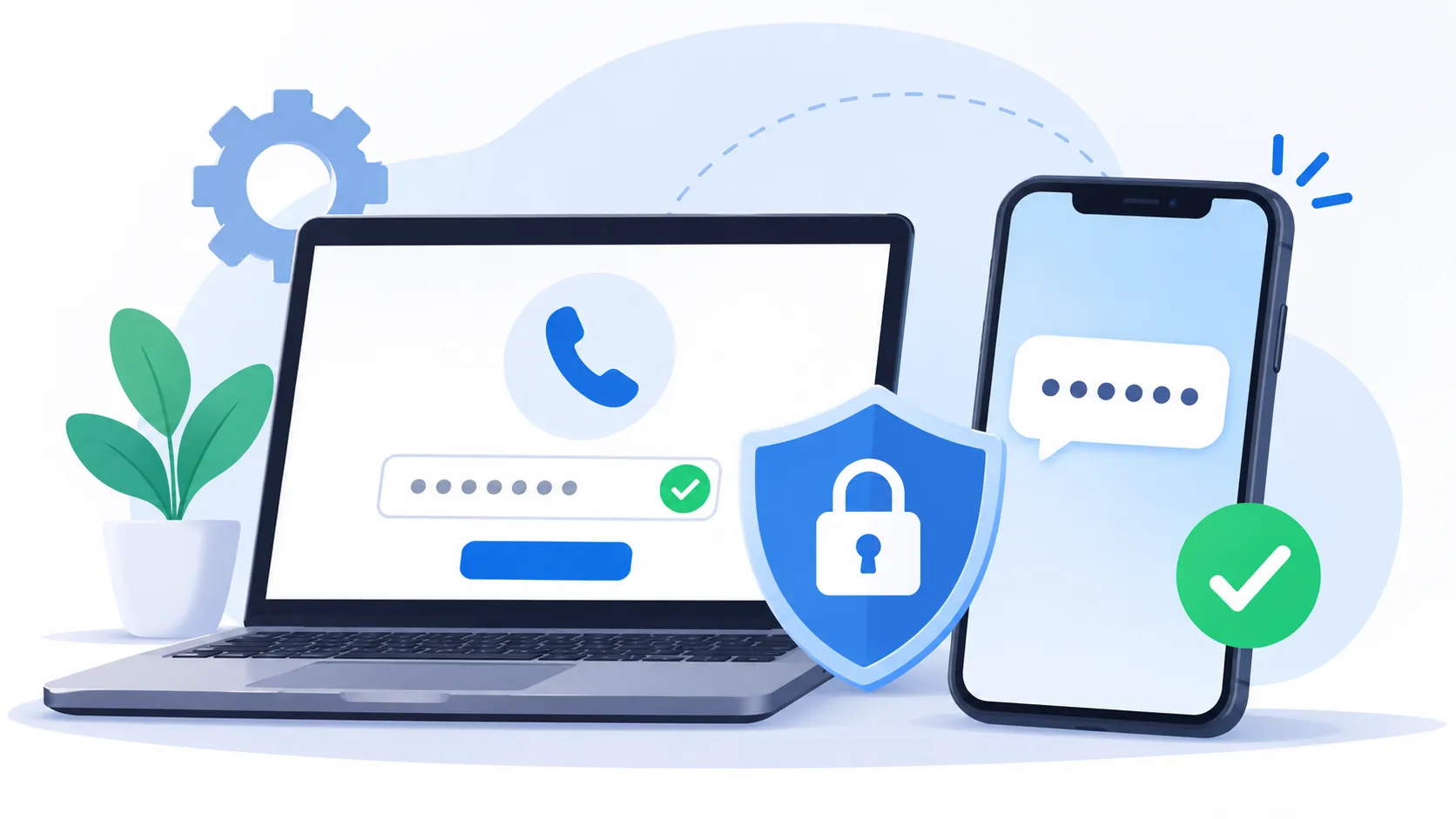
Online platforms need reliable ways to confirm that users are genuine before providing access to accounts, services, or sensitive information. Passwords alone are no longer sufficient to protect digital accounts from unauthorized access, credential theft, and fraudulent registrations. Adding a number verification api to the authentication process gives businesses another layer of protection by checking whether a phone number is valid and, when combined with OTP verification, confirming that the user has access to that number. This approach helps websites, mobile applications, and online services establish more trustworthy user accounts while reducing common security risks.
Why Is Phone Verification Important for User Authentication?
User authentication is the process of confirming someone's identity before allowing access to an account or digital service. Traditionally, websites have relied on email addresses and passwords for this purpose. However, these methods have certain limitations.
Users frequently reuse passwords across multiple platforms, choose weak combinations, or fall victim to phishing attacks. Compromised credentials can allow attackers to access accounts without the actual owner's knowledge.
Phone verification provides an additional method of confirming user information. By connecting a mobile number to an account, businesses can introduce an extra authentication step during registration, login, or sensitive account activities.
For example, when someone creates an account, the platform can send a one-time password (OTP) to the submitted mobile number. The user must enter the correct code to complete verification. This helps establish that the person registering has access to the provided phone number.
How Does a Phone Verification API Work?
A phone verification API allows developers to integrate phone number validation and verification capabilities directly into websites, applications, and other digital platforms.
Although implementation varies between providers, the general process involves several steps.
1. User Enters a Phone Number
The process begins when a visitor enters their mobile number into a registration form, login page, or account settings section.
The application collects the number and prepares it for validation. Developers should encourage users to select the correct country code to avoid formatting problems.
2. Validate the Number Format
The API checks whether the submitted number follows the expected numbering format for its country.
It can identify issues such as missing digits, incorrect country codes, and invalid number structures. This prevents applications from accepting obviously incorrect contact information.
3. Check Number Information
Depending on the provider, an API may return additional information about the submitted number, including:
- Country and country code
- International dialing format
- Number type, such as mobile or landline
- Carrier information
- Local and international number formats
- Basic number validity details
These details help businesses evaluate submitted phone numbers before using them in account-related processes.
4. Send an OTP for Verification
Number validation and ownership verification are different processes. A number can have a valid format without belonging to the person submitting it.
To confirm access, the application can generate a temporary OTP and send it through an SMS gateway. The user enters the received code into the application, which checks whether it matches the generated code.
If the code is correct and has not expired, the application can mark the phone number as verified.
5. Complete the Authentication Process
After successful verification, the platform updates the user's account status. The verified number can then support account recovery, login confirmation, security notifications, or additional identity checks.
6 Ways a Phone Verification API Improves Security
Integrating phone verification into authentication workflows can help businesses address several common security challenges.
1. Reduces Fake Account Registrations
Fake accounts can create problems for businesses that operate online marketplaces, subscription services, social platforms, and customer portals.
Automated bots can submit random information to create multiple accounts, manipulate promotional offers, or abuse registration benefits.
Phone number validation helps identify incorrectly formatted numbers before account creation. Adding OTP verification makes automated registrations more difficult because the registration process also requires access to a working phone number.
This does not eliminate fake registrations completely, but it introduces another barrier against automated abuse.
2. Adds an Extra Layer of Authentication
Passwords can be stolen through phishing emails, malicious websites, or data breaches. If a platform depends only on passwords, an attacker with valid login credentials may gain unauthorized access.
Phone-based OTP authentication adds another verification step.
For example, a user attempting to access an account from a new device may need to enter a code sent to their registered number. This makes unauthorized access more difficult when an attacker has only obtained the password.
Businesses should remember that SMS authentication has limitations, including SIM-swapping attacks. For high-risk accounts, stronger authentication methods such as passkeys or authenticator applications may be more appropriate.
3. Improves Account Recovery
Account recovery is an important part of maintaining a secure digital platform. Users may forget passwords, lose access to email accounts, or experience login problems.
A previously verified phone number can provide an additional recovery channel. A platform can send a temporary verification code to the registered number before allowing password resets or other account changes.
This helps businesses provide a convenient recovery process while reducing the possibility of unauthorized password changes.
Recovery workflows should also include appropriate checks to prevent attackers from taking control of accounts through phone number reassignment or SIM-related fraud.
4. Helps Prevent Invalid Contact Information
Incorrect phone numbers can create communication problems for businesses.
For example, an e-commerce company may need to send order confirmations, delivery updates, and payment notifications. If customers enter incorrect numbers, these messages may never reach the intended recipients.
A phone verification API helps check number formats and available numbering information before storing them in customer databases.
Maintaining cleaner contact records improves communication reliability and reduces unnecessary messaging costs.
5. Supports Fraud Detection
Phone number information can contribute to broader fraud prevention strategies.
Businesses can use available number details to identify unusual registration patterns, investigate suspicious activity, and apply additional verification when necessary.
For instance, repeated account creation attempts using different numbers within a short period may indicate automated activity.
When combined with device intelligence, IP analysis, login history, and behavioral signals, phone verification becomes one component of a broader fraud detection system.
It should not be treated as proof of identity on its own.
6. Builds Customer Trust
Customers expect online platforms to protect their personal information and account access.
A clear verification process demonstrates that a business takes account security seriously. It also gives users more confidence when registering, making purchases, or accessing personal account information.
However, verification should remain simple. Excessive OTP requests, confusing instructions, and unnecessary verification steps can frustrate legitimate customers.
A well-designed authentication process balances security requirements with convenience.
Phone Verification API vs. Traditional Authentication Methods
Different authentication methods offer different levels of protection. Understanding their differences helps developers select suitable options for their applications.
Password-based authentication: Users enter a password to access their accounts. It is simple to implement but becomes vulnerable when passwords are weak, reused, or stolen.
Email verification: Platforms send a confirmation link or code to the user's email address. It helps confirm access to an email account but does not necessarily establish ownership of a mobile number.
SMS OTP authentication: A temporary code is delivered to a registered phone number. It adds an additional verification step but can be affected by SIM swapping and other telecommunications-related attacks.
Phone number validation: An API checks the structure and available details of a submitted phone number. It helps prevent invalid contact information but does not independently prove ownership.
Multi-factor authentication: This approach combines multiple authentication factors, such as a password, a registered device, or a biometric check. It generally provides stronger protection when implemented correctly.
For many applications, combining phone number validation with suitable authentication methods creates a more reliable account security process.
Best Practices for Integrating Phone Verification into Applications
A successful integration requires more than connecting an API endpoint. Developers should consider security, user experience, and data protection throughout the implementation.
Use International Number Formatting
Applications serving international customers should support country codes and standard number formatting. This reduces errors when users enter numbers from different regions.
Set OTP Expiration Times
Verification codes should remain valid for a limited period. Expired codes must be rejected to prevent their reuse in future authentication attempts.
Implement Rate Limiting
Repeated OTP requests can increase messaging costs and create opportunities for abuse. Developers should limit verification attempts based on relevant factors, such as account, phone number, IP address, and device.
Protect Verification Codes
OTP values should not be exposed in application logs, URLs, or publicly accessible client-side code. Verification should take place through secure server-side processes.
Provide Clear Error Messages
Users should understand why a verification attempt failed. Messages such as invalid number format, expired code, or incorrect verification code make troubleshooting easier.
Protect Customer Information
Phone numbers are personal information. Businesses should collect only the information they need, apply suitable access controls, and follow applicable data protection requirements.
How Numverify Supports Phone Number Validation
For businesses building secure registration systems, maintaining accurate phone number information is an important starting point. Invalid numbers can affect customer communication, registration quality, and authentication workflows.
Numverify provides a phone number validation API that developers can use to check phone numbers and retrieve useful information, including country details, carrier information, and line types.
Its API-based approach allows developers to connect phone number validation with existing websites, applications, and backend systems. Businesses can use these results to evaluate submitted numbers before storing them or using them in customer communication processes.
For development teams working on registration forms, customer databases, and account management systems, Numverify offers a practical way to introduce phone number validation without building the entire numbering information system from scratch.
It is important to distinguish number validation from OTP delivery. Businesses that need to confirm phone ownership should combine validation with a separate OTP or authentication workflow.
Conclusion
Secure user authentication is essential for protecting online accounts, customer information, and business applications. Passwords and email confirmations provide useful security measures, but they may not address every risk associated with fake registrations, unauthorized access, and inaccurate contact details.
Integrating phone number validation and OTP verification gives developers additional ways to improve registration quality and account protection. When combined with rate limiting, secure recovery procedures, and other authentication methods, these techniques can create a more dependable user experience.
Choosing the right phone number verification api allows businesses to build more reliable authentication workflows, maintain accurate customer records, and introduce an additional layer of protection across their digital platforms.
Frequently Asked Questions (FAQs)
1. What is a phone verification API?
A phone verification API is a service that allows applications to validate phone numbers and, depending on the provider, support verification workflows. It helps developers check number formats and retrieve information such as country, carrier, and line type.
2. Does a phone verification API prevent fake registrations?
It can help reduce fake registrations by identifying invalid numbers and supporting OTP-based verification. However, it cannot eliminate all fraudulent accounts because attackers may use temporary, virtual, or compromised phone numbers.
3. Is phone number validation the same as OTP verification?
No. Phone number validation checks whether a number follows an expected format and may retrieve additional numbering information. OTP verification confirms that someone can receive and enter a temporary code sent to that number.
4. Can developers integrate phone verification APIs into mobile applications?
Yes. Developers can integrate phone verification services into Android applications, iOS applications, websites, and backend systems using supported API endpoints and programming languages.
5. Is SMS OTP authentication completely secure?
No authentication method is completely secure. SMS OTP adds another layer of protection, but it can be vulnerable to SIM swapping, phishing, and interception. Passkeys and authenticator-based methods can provide stronger alternatives for sensitive accounts.
6. How does phone verification improve customer experience?
Phone verification helps businesses maintain accurate contact information, reduce registration errors, and deliver important account notifications. A simple verification process also makes it easier for users to complete registration and recover their accounts.









Sign in to leave a comment.