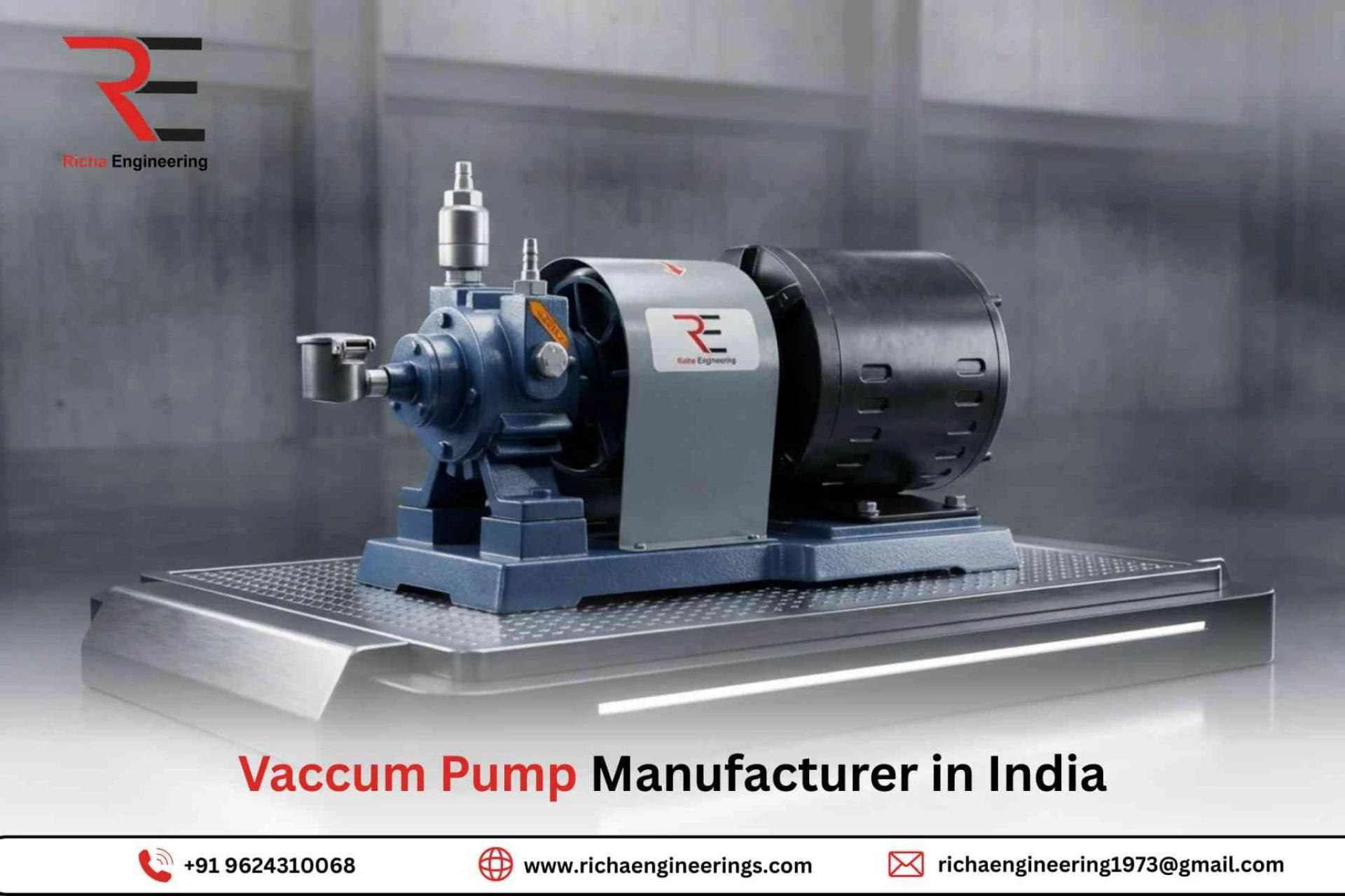

A vacuum pump creates a low-pressure environment by removing air and gas molecules from a sealed system. By reducing the amount of air inside a chamber, the pump forms a controlled vacuum that is essential for many laboratory, industrial, and scientific applications where accuracy, cleanliness, and process stability matter.
Basic Working Principle of a Vacuum Pump
At its core, a vacuum pump works on the principle of gas displacement. The pump pulls air or gas out of a closed space and releases it into the atmosphere or a separate containment system. As this process continues, the pressure inside the chamber steadily drops, creating a vacuum.
The level of vacuum achieved depends on how efficiently the pump can remove gas molecules. Applications that require deeper vacuum levels demand pumps with higher precision and performance.
Step-by-Step Working Process of a Vacuum Pump
1. Air Intake
The vacuum pump is connected to a sealed system through an inlet port. When the pump starts operating, air and gas molecules are drawn from the system into the pump chamber.
2. Gas Compression
Once inside the pump, the trapped gas is compressed using internal mechanical components such as vanes, pistons, or rotors. This compression raises the gas pressure, allowing it to be expelled efficiently.
3. Gas Exhaust
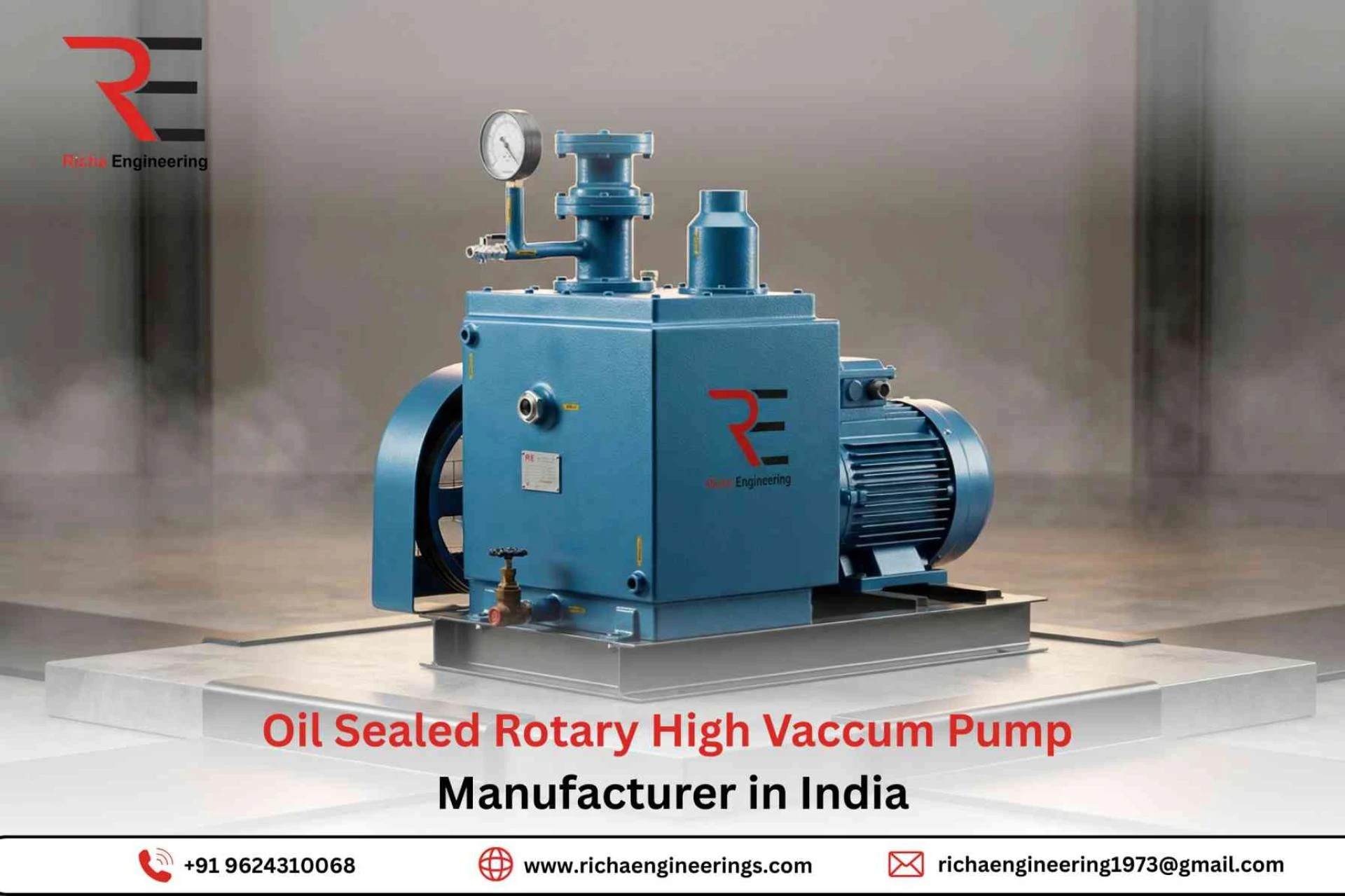
After compression, the gas is released through the exhaust outlet. In oil-sealed vacuum pumps, oil plays an important role by sealing internal clearances and preventing gases from flowing back into the system.
4. Continuous Evacuation
This intake–compression–exhaust cycle runs continuously. Over time, it lowers the pressure inside the connected system and maintains a stable vacuum level for ongoing operations.
Role of Sealing in Vacuum Pumps
Proper sealing is essential for efficient vacuum pump performance. Good seals prevent unwanted air leakage and help maintain consistent vacuum levels. Depending on the type of pump, sealing is achieved through:
- Oil, used in oil-sealed vacuum pumps
- Precisely machined dry components in oil-free pumps
- Advanced materials designed to reduce wear and minimize leakage
Effective sealing allows the pump to reach deeper vacuum levels while operating more efficiently and reliably.
How Different Types of Vacuum Pumps Work
Rotary Vane Vacuum Pumps
Rotary vane pumps use a rotating rotor with sliding vanes inside a cylindrical housing. As the rotor turns, the vanes trap air, compress it, and move it toward the exhaust, creating a steady vacuum.
Dry Vacuum Pumps
Dry vacuum pumps operate without oil. They rely on extremely tight mechanical tolerances to compress and expel gas, making them ideal for clean, contamination-free laboratory environments.
High Vacuum Pumps
High vacuum pumps, such as diffusion pumps or turbomolecular pumps, work alongside primary pumps to achieve extremely low pressure levels. These are commonly used in advanced laboratory and research applications.
Why Vacuum Pumps Are Essential
Vacuum pumps play a vital role in creating controlled environments that support:
- Accurate laboratory experiments
- Reduced contamination risks
- Better control over chemical reactions
- Efficient industrial processing
- Reliable performance of analytical instruments
Without vacuum pumps, many modern laboratory and industrial processes would not function effectively.
Conclusion
A vacuum pump works by continuously removing air and gases from a sealed system, lowering internal pressure and creating a controlled vacuum environment. Through precise engineering, effective sealing, and reliable mechanical operation, vacuum pumps deliver consistent and dependable performance. Understanding how a vacuum pump works helps users choose the right system for their application and achieve accurate, efficient, and long-term results.
Sign in to leave a comment.