
How Does a VPN Work? A Simple Guide to VPN Technology
You have probably seen VPN advertisements promising better privacy, secure browsing, hidden IP addresses, and access to servers around the world.
But how does a VPN work behind the scenes?
The basic idea is actually easier to understand than it sounds.
A VPN, or Virtual Private Network, creates a protected connection between your device and a VPN server. Your internet traffic travels through this connection before reaching its destination.
This process can help encrypt your connection, hide your original IP address, and provide an additional layer of privacy when browsing online.
What Is a VPN?
A VPN is a technology that creates an encrypted connection between your device and a VPN server.
Without a VPN, your device normally connects to the internet through your internet service provider. Websites and online services can see the public IP address associated with your connection.
When you use a VPN, your traffic is routed through the VPN server instead.
As a result, websites generally see the VPN server's IP address rather than your original public IP address.
This is one of the fundamental reasons people use VPN services for online privacy.
How Does a VPN Work Step by Step?
Understanding the process becomes easier when you break it into a few simple stages.
Step 1: Your Device Connects to the VPN
You start by opening your VPN application and selecting a server.
The VPN client then establishes a connection between your device and the chosen VPN server.
Step 2: Your Data Is Encrypted
Before your internet traffic travels through the VPN connection, the VPN encrypts the traffic.
Encryption transforms readable information into protected data that cannot easily be understood without the appropriate decryption process.
U Shield VPN states that it uses AES-256-GCM encryption with WireGuard for its VPN tunnel. (ushieldvpn.com)
Step 3: Your Traffic Travels Through the VPN Tunnel
Your encrypted traffic travels through what is commonly called a VPN tunnel.
Think of this tunnel as a protected pathway between your device and the VPN server.
The tunnel helps separate your VPN traffic from the ordinary connection between your device and the internet.
Step 4: The VPN Server Connects to the Internet
Once your encrypted traffic reaches the VPN server, the VPN server sends the request to the intended website or online service.
The website sees the VPN server's IP address rather than your original public IP address.
Step 5: The Response Travels Back Through the VPN
The website sends information back to the VPN server.
The VPN server then sends the information through the encrypted connection to your device.
Your VPN software decrypts the data so your device can display it normally.
What Is a VPN Tunnel?
A VPN tunnel is the protected connection created between your device and the VPN server.
It does not mean that your data physically travels through a special underground tunnel.
Instead, "tunnel" is a technical term describing the way VPN traffic is encapsulated and transmitted through a protected connection.
The tunnel is an important part of VPN technology because it allows your internet traffic to travel between your device and the VPN server with encryption.
What Is VPN Encryption?
VPN encryption is the process of transforming data into a protected format while it travels through the VPN connection.
Encryption is important because internet traffic can contain information that users may not want exposed to unauthorized parties.
A VPN can encrypt traffic between your device and the VPN server, adding another layer of protection to your connection.
U Shield VPN identifies AES-256-GCM as its encryption standard and WireGuard as its VPN protocol. (ushieldvpn.com)
Why Is Encryption Important?
Imagine sending a private message on a postcard.
Anyone handling the postcard could potentially read it.
Encryption is more like placing the information inside a locked container.
The information can still travel across networks, but it is protected from being easily understood by someone who does not have the required cryptographic access.
What Is a VPN Server?
A VPN server is a server operated or provided by a VPN service that your device connects to when using the VPN.
The server acts as an intermediary between your device and the internet.
When you connect to a VPN server:
- Your device establishes a VPN connection.
- Your traffic is encrypted.
- The traffic travels to the VPN server.
- The VPN server communicates with websites and online services.
- Responses return through the VPN connection.
The location of the VPN server can also affect the IP address visible to websites.
U Shield VPN currently advertises more than 120 locations across 60+ countries. (ushieldvpn.com)
How Does a VPN Hide Your IP Address?
Your public IP address can provide websites with information associated with your internet connection.
When you connect directly to a website, the website receives your public IP address.
When you use a VPN, the connection is routed through the VPN server.
The website can then see the VPN server's IP address instead of your original public IP address.
For example, if you are physically located in one country but connect to a VPN server in another, websites may see the IP address associated with the VPN server.
This can provide an additional layer of online privacy.
VPN Protocols Explained
VPN protocols determine how your device communicates with the VPN server.
Different protocols can have different characteristics involving speed, security, compatibility, and performance.
WireGuard
WireGuard is a modern VPN protocol designed to provide secure and efficient VPN connections.
U Shield VPN uses WireGuard as part of its VPN technology. (ushieldvpn.com)
Why Does the Protocol Matter?
A VPN protocol influences how your encrypted connection is established and maintained.
Choosing a modern and well-supported protocol can help balance security and performance.
For everyday users, the important point is that the VPN provider should clearly explain which protocols it supports and why.
Does a VPN Encrypt Everything on Your Device?
This depends on the VPN setup.
A typical VPN application can route traffic from the device through the VPN connection, depending on its configuration and operating system.
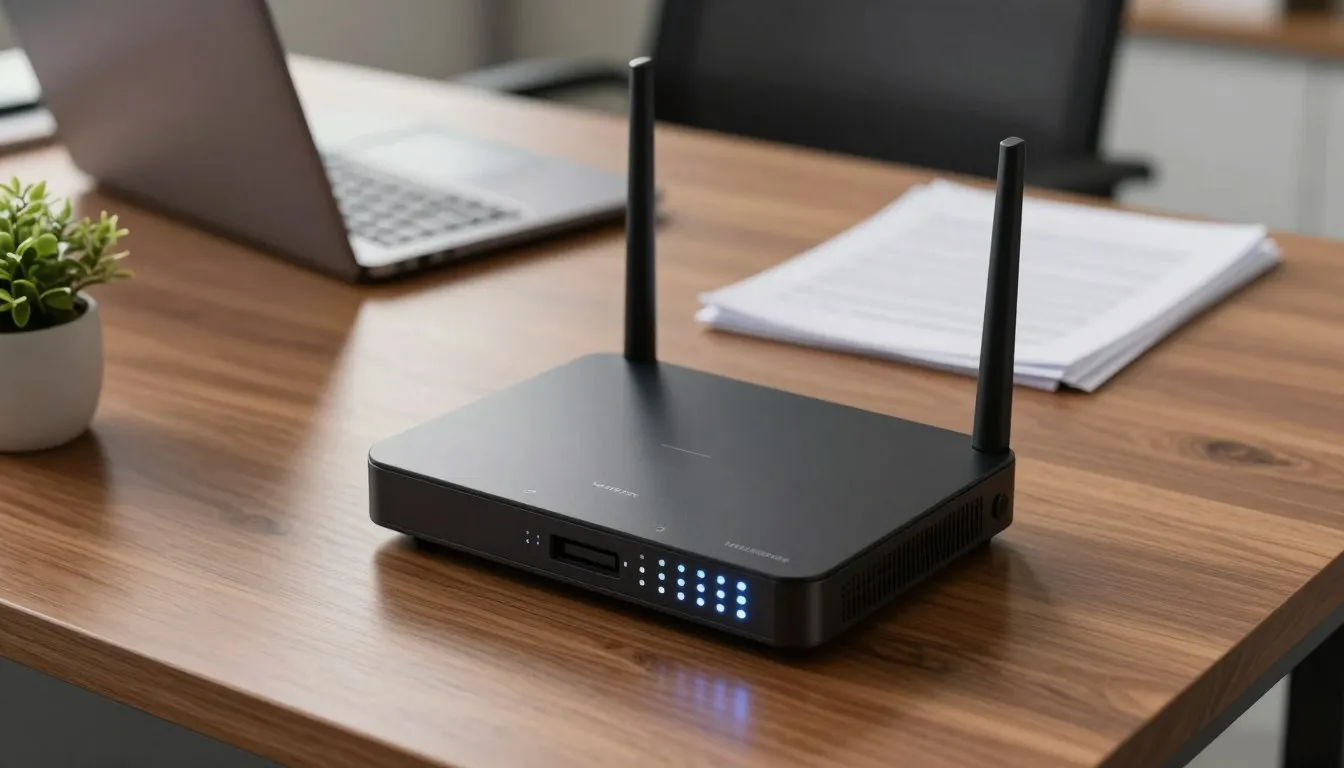
A router-based VPN can provide broader network-level protection.
This can be especially useful in households with multiple connected devices.
For example, a VPN router can potentially protect traffic from devices such as:
- Smart TVs
- Gaming consoles
- Smartphones
- Laptops
- Tablets
- Streaming devices
- Other compatible products
U Shield VPN offers a dedicated router designed to provide VPN protection at the network level. (ushieldvpn.com)
VPN App vs VPN Router
There are two common ways to use a VPN.
VPN Application
A VPN application is installed directly on your device.
This is convenient for:
- Smartphones
- Laptops
- Desktop computers
- Tablets
You can typically open the application, select a server, and establish the VPN connection.
VPN Router
A VPN router places the VPN connection at the network level.
Instead of configuring every device separately, compatible devices connected to the protected network can use the VPN connection through the router.
This can be useful for households with many connected devices.
If you are specifically looking for network-level protection, a VPN router for whole-home protection can simplify the setup by making the router the central VPN connection point.
Does a VPN Make You Completely Anonymous?
No.
This is an important distinction.
A VPN can improve privacy by hiding your public IP address and encrypting your connection to the VPN server.
However, it does not make you completely anonymous online.
Websites can still use other technologies to recognize users, including:
- Cookies
- Browser fingerprinting
- Account logins
- Tracking technologies
- Device information
If you sign into a website using your personal account, the website can still associate your activity with that account.
A VPN should therefore be viewed as a privacy and security tool rather than a guarantee of complete anonymity.
Can a VPN Improve Online Security?
A VPN can add an important security layer, especially when using networks you do not control.
For example, people frequently use VPNs while connected to:
- Public Wi-Fi
- Hotel networks
- Airport Wi-Fi
- Café networks
- Coworking spaces
- Shared residential networks
The VPN encrypts traffic between your device and the VPN server, reducing the exposure of that connection to network-level observers.
However, a VPN does not replace antivirus software, secure passwords, multi-factor authentication, software updates, or careful browsing habits.
Does a VPN Slow Down the Internet?
A VPN can affect internet speed because your traffic is encrypted and routed through an additional server.
However, the amount of slowdown varies.
Several factors can influence VPN performance.
Server Distance
A server located far away from you may introduce more latency than a nearby server.
Server Load
A heavily used VPN server can potentially provide slower performance.
VPN Protocol
The VPN protocol can affect connection efficiency.
Modern protocols such as WireGuard are designed with performance in mind.
Your Original Connection
Your base internet speed also matters.
If your connection is already slow, VPN overhead may be more noticeable.
For better performance, users can often start with a nearby VPN server and switch locations if the connection is not performing well.
What Are the Main Benefits of Using a VPN?
A VPN can provide several useful benefits.
Better IP Privacy
Your original public IP address is hidden from websites behind the VPN server's IP address.
Encrypted Connection
Your traffic between the device and VPN server can be encrypted.
Safer Public Wi-Fi
A VPN provides an additional layer of protection when using unfamiliar networks.
Multiple Server Locations
VPN services can offer servers in multiple countries and cities.
Multi-Device Protection
Depending on the service, a VPN can support multiple devices or provide network-level protection through a VPN router.
Who Should Use a VPN?
A VPN can be useful for many types of internet users.
Frequent Travelers
Travelers regularly connect to unfamiliar networks and can benefit from having an encrypted connection available.
Remote Workers
Remote workers may use hotel, café, coworking, or other shared networks.
A VPN can provide an additional layer of protection while working online.
Privacy-Conscious Users
People who want to reduce exposure of their public IP address may use a VPN for everyday browsing.
Families With Multiple Devices
Families with several connected devices may benefit from a VPN router that provides network-level VPN protection.
Gamers and Streamers
Gamers and streaming users may use VPNs for privacy and connection flexibility, although performance depends on server location, network conditions, and the specific service being accessed.
Is a VPN Worth Using?
For many users, a VPN can be a valuable privacy and security tool.
Its usefulness depends on your internet habits and what you want to protect.
If you frequently use public Wi-Fi, travel internationally, manage multiple devices, or want to hide your public IP address, a VPN can be particularly useful.
However, users should choose a provider carefully.
Look at:
- Encryption technology
- VPN protocols
- Server locations
- Device compatibility
- Privacy policies
- Connection performance
- Customer support
- Pricing
Why Choose U Shield VPN?
U Shield VPN focuses on providing privacy and VPN connectivity across a wide range of devices and locations.
The company advertises more than 120 locations across 60+ countries and supports major platforms including Android, iPhone, iPad, Windows, and macOS. (ushieldvpn.com)
Its technology includes WireGuard and AES-256-GCM encryption, while its router option is designed for users who want VPN protection at the network level. (ushieldvpn.com)
The service also advertises 24/7 customer support, giving users access to assistance when they need help with setup or connectivity. (ushieldvpn.com)
Final Thoughts
Understanding how does a VPN work becomes much easier when you think of it as a protected connection between your device and a VPN server.
Your traffic is encrypted, sent through the VPN tunnel, and then forwarded to the internet through the VPN server. This process can hide your original IP address and provide an additional layer of privacy and security.
A VPN is not a complete solution for every online threat, but it can be an important part of a broader digital security strategy.
For users looking for encrypted connections, global server access, and options for protecting multiple devices, U Shield VPN provides app-based and router-based VPN solutions designed for everyday internet use.
Frequently Asked Questions
How does a VPN work in simple terms?
A VPN creates an encrypted connection between your device and a VPN server. Your internet traffic travels through that connection before reaching websites and online services.
Does a VPN hide my IP address?
Yes. A VPN normally replaces your visible public IP address with the IP address associated with the VPN server.
Does a VPN encrypt internet traffic?
A VPN encrypts traffic traveling through its VPN tunnel between your device and the VPN server.
Can a VPN protect me on public Wi-Fi?
A VPN can provide an additional layer of protection by encrypting your connection when you use public or unfamiliar Wi-Fi networks.
Does a VPN make me anonymous?
No. A VPN can improve privacy and hide your IP address, but it does not guarantee complete anonymity.
Does a VPN slow down internet speed?
A VPN can introduce some performance overhead because traffic is encrypted and routed through a VPN server. The impact varies based on server distance, congestion, protocol, and your original connection.
What VPN protocol does U Shield VPN use?
U Shield VPN states that it uses WireGuard as part of its VPN technology, together with AES-256-GCM encryption. (ushieldvpn.com)
How many VPN locations does U Shield VPN offer?
U Shield VPN currently advertises more than 120 locations across 60+ countries. (ushieldvpn.com)
Can a VPN protect multiple devices?
Yes. Depending on the VPN service and configuration, multiple devices can use a VPN connection. A VPN router can also provide network-level VPN protection for compatible connected devices.
Does U Shield VPN offer a VPN router?
Yes. U Shield VPN offers a dedicated VPN router designed to provide VPN protection through the network. (ushieldvpn.com)



















Sign in to leave a comment.