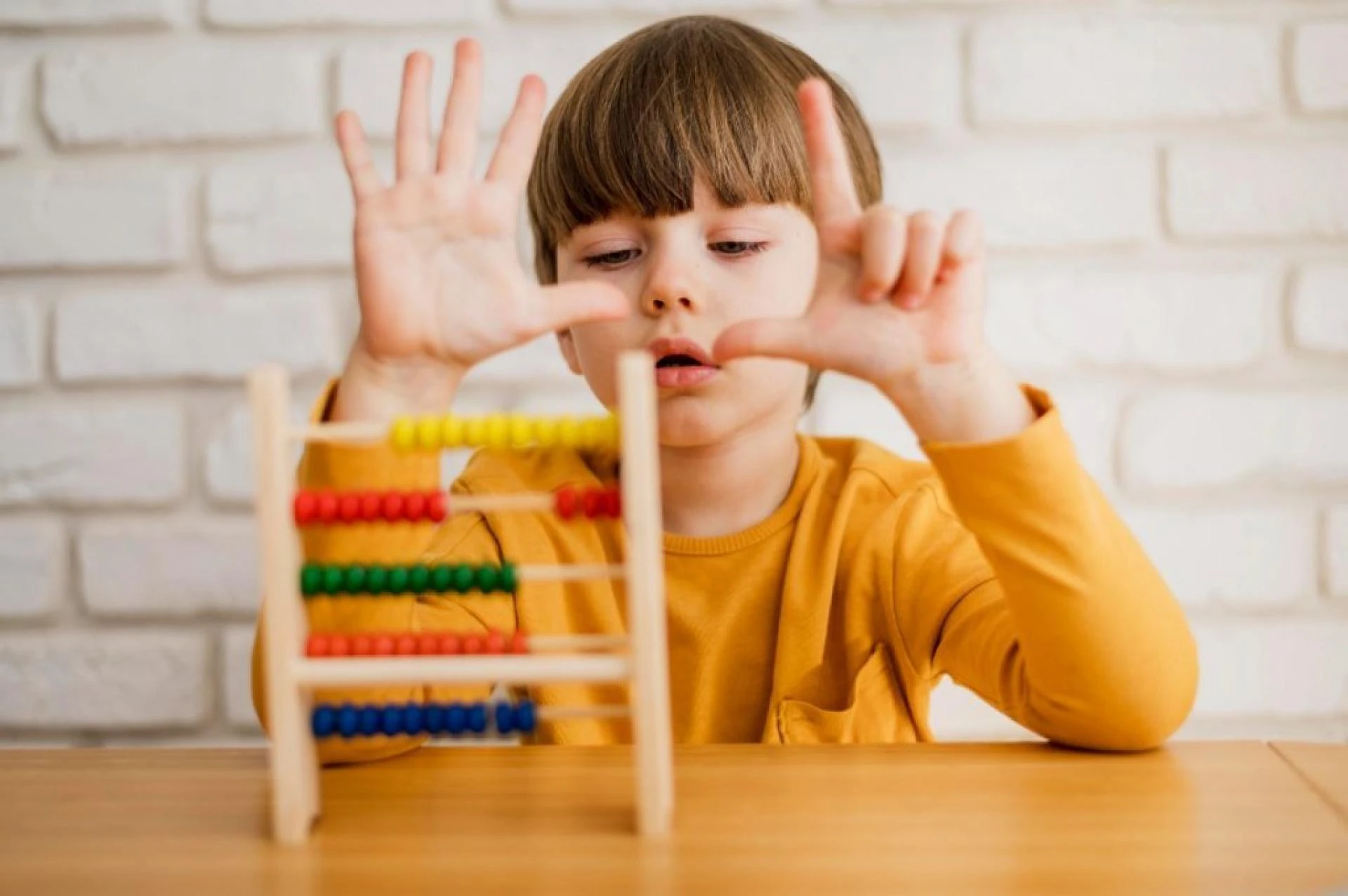
In today's fast-paced digital world, where distractions are only a click away, teaching youngsters to focus and concentrate is more important than ever. Abacus training is a highly successful, scientifically validated practice that has gained favour among both parents and educators. What began as a simple calculation tool has evolved into an effective instructional strategy that promotes brain growth, particularly in young children.
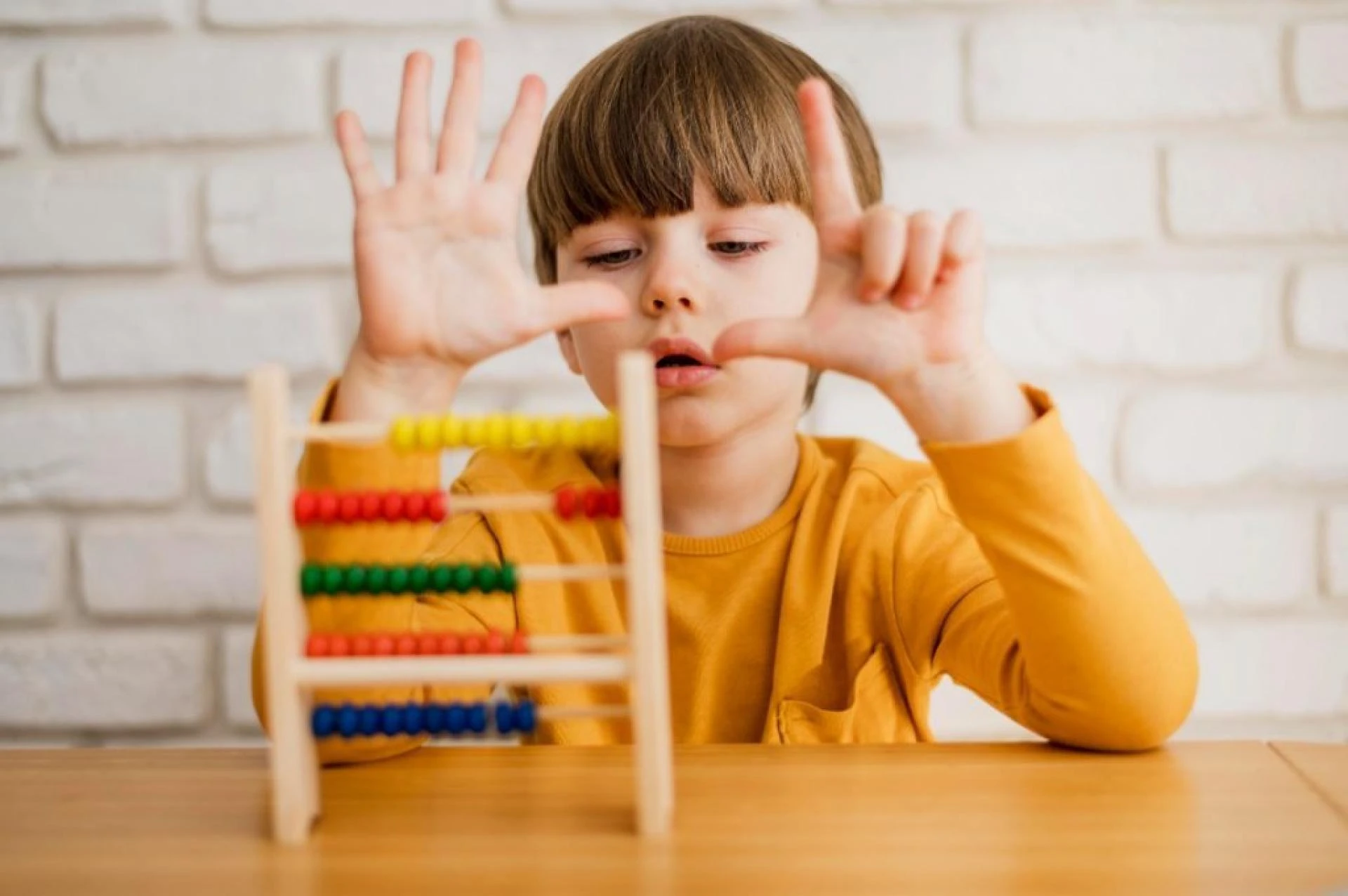
But how exactly does abacus training improve a child's concentration and focus? Let's look at the research, methodology, and long-term advantages of this ancient learning technique.
engages both hemispheres of the brain
Abacus training is unique in that it activates both the left and right hemispheres of the brain simultaneously. The right hemisphere is responsible for visual memory and creativity, whereas the left hemisphere is in charge of logical thinking and analytical processes (such as number recognition and arithmetic).
When a youngster practises mental arithmetic with an imaginary abacus (visualisation method), they use the right brain to "see" the beads and the left brain to compute the values. This dual-hemisphere stimulation improves the child's total brain performance, including focus, retention, and processing speed.
Visualisation promotes deep focus.
After a given amount of abacus instruction, youngsters stop using the physical tool and instead use a mental representation of the abacus. This demands strong mental focus. They must picture the beads, remember their placements, and manipulate them mentally while completing equations.
This exercise of persistent imagery improves focus since the child must remain mentally focused in the absence of external help or distractions. Regular training allows youngsters to become adept at holding complex visualisations for extended periods of time, which improves their attention span and mental stamina.
promotes mindfulness and present-moment awareness.
Abacus training is an example of active mindfulness. Each movement on the abacus necessitates intentional activity, keeping the kid grounded in the present moment. Whether they are moving beads with their fingers or visualising the abacus, they must be aware of each step in the calculation process.
This present-moment awareness is an important aspect in establishing concentration. The more a child practises remaining present during abacus exercises, the stronger their mental muscles get, allowing them to focus on other tasks such as reading, listening, and problem solving.
Promotes patience and discipline.
Concentration is more than just a temporary focus; it also refers to sustained attention over time. Abacus training necessitates constant practice, which frequently includes solving many sets of equations with increasing complexity. Children learn to slow down, think clearly, and finish one job before proceeding to the next.
This systematic learning develops discipline and patience, both of which are necessary for staying focused in academics and everyday life. Children gradually gain the ability to remain focused even when performing long or repetitive chores.
Reduces screen dependency.
Many parents today battle with their children's reliance on cellphones, iPads, and televisions. Abacus training provides a screen-free, hands-on activity that is both enjoyable and mentally stimulating. As youngsters become more immersed in abacus learning, their reliance on digital distractions typically decreases.
Incorporating abacus activities into everyday routines helps train the brain to choose satisfaction in active, concentrated learning over idle screen time. This change not only increases focus but also general well-being.
Improves Listening and Processing Skills
In group abacus sessions, students frequently practise oral sums, which require them to listen to a series of numbers and mentally compute the solutions. This activity enhances active listening, brain processing, and quick response abilities.
To succeed in such exercises, a youngster must listen carefully to the instructor's voice, remember the sequence, and execute quick calculations. This triple-layered task improves multitasking skills and auditory concentration.
Promotes Goal-Orientated Learning
Abacus training is often structured into levels or modules, each with its own set of objectives and standards. Children are encouraged to gain accuracy and speed at each level, instilling a goal-orientated mindset.
Working towards small, realistic goals keeps youngsters engaged and focused during practice sessions. This sense of progress strengthens their capacity to focus on long-term objectives, which can lead to improved academic habits.
Boosts confidence and reduces anxiety.
When children are secure in their abilities to calculate mentally and solve problems rapidly, their self-esteem rises. Confidence decreases performance anxiety, which can be a substantial impediment to concentration in classroom settings.
A child who is confident in their cognitive abilities is more likely to remain calm, attentive, and focused during exams, presentations, or competitive environments.
Conclusion
In a world full of distractions, teaching children attention and concentration is more important than ever. Abacus training offers a disciplined, brain-stimulating, and pleasurable approach to accomplishing this. Abacus learning is more than just a numerical skill; it's a full-fledged cognitive development tool that improves brain function, promotes mindfulness, and helps with goal planning.
Parents and educators looking for a holistic approach to improving a child's mental performance should seriously consider abacus training not only for its academic benefits but also for the life skills it instills.























Sign in to leave a comment.