

In the fast-paced and ever-evolving world of business, the integration of Artificial Intelligence (AI) has emerged as a game-changer, especially in the domains of demand planning and forecasting. This article aims to delve into the profound impact of AI on these critical aspects of business operations, offering a detailed exploration of various facets from data analysis to supply chain optimization, while providing in-depth insights through relevant subheadings.
Understanding the Role of AI in Data Analysis
Unleashing the Power of Big Data
The exponential growth of digital data has presented both challenges and opportunities for businesses. With AI-driven data analysis, organizations can harness the power of big data to gain valuable insights into consumer behavior, market trends, and other crucial factors influencing demand. By processing and analyzing vast volumes of data from diverse sources, AI algorithms can uncover hidden patterns and correlations that traditional methods might overlook, providing businesses with a competitive edge in understanding and responding to market dynamics.
Leveraging Machine Learning for Predictive Insights
At the core of AI-driven data analysis lies the application of machine learning algorithms for predictive analytics. Unlike traditional forecasting methods that rely on historical data and simplistic models, AI algorithms have the capability to learn from data patterns and adapt to changing circumstances in real-time. This enables businesses to generate accurate forecasts of future demand, facilitating better decision-making and resource allocation. By continuously refining their predictive models based on new data inputs, organizations can stay ahead of market trends and gain a strategic advantage in an increasingly volatile business environment.
Optimizing Inventory Management with AI
Real-Time Demand Forecasting
One of the key advantages of AI-powered demand forecasting is its ability to provide real-time insights into market demand fluctuations. By analyzing historical sales data, consumer behavior patterns, and external factors such as economic indicators and weather forecasts, AI algorithms can generate accurate predictions of future demand trends. This enables businesses to optimize their inventory levels, minimize stockouts, and reduce excess inventory, thereby improving operational efficiency and cost-effectiveness. Moreover, real-time demand forecasting allows organizations to respond swiftly to changes in market conditions, ensuring that they can meet customer demand effectively and maintain a competitive edge in the marketplace.
Dynamic Inventory Optimization Strategies
In addition to real-time demand forecasting, AI also enables businesses to dynamically optimize their inventory management strategies. By leveraging machine learning algorithms, organizations can adapt their inventory levels and replenishment schedules based on changing market dynamics and consumer behavior patterns. For example, during peak demand periods or promotional campaigns, AI algorithms can recommend adjustments to inventory levels to ensure adequate stock availability. Conversely, during periods of low demand or market downturns, AI-powered inventory optimization strategies can help businesses reduce excess inventory and minimize carrying costs. This dynamic approach to inventory management enables organizations to maximize profitability while maintaining optimal levels of customer service and satisfaction.
Enhancing Customer Experience through Personalization
Tailoring Products and Services to Individual Preferences
One of the most significant benefits of AI in demand planning and forecasting is its ability to personalize products, services, and marketing messages to individual customer preferences. By analyzing vast amounts of customer data, including purchase history, browsing behavior, and demographic information, AI algorithms can identify unique customer preferences and tailor recommendations accordingly. This level of personalization not only enhances the customer experience but also increases engagement and loyalty. For example, an e-commerce retailer can use AI-powered recommendation engines to suggest products that are relevant to each customer's interests and preferences, leading to higher conversion rates and repeat purchases.
Predictive Customer Segmentation
Another key application of AI in demand planning and forecasting is predictive customer segmentation. Traditional segmentation methods often rely on broad demographic categories or geographic regions, which may not accurately reflect individual preferences or behaviors. In contrast, AI algorithms can analyze large datasets to identify distinct customer segments based on predictive analytics. By grouping customers with similar characteristics or purchasing patterns together, businesses can tailor their marketing efforts and product offerings to meet the specific needs and preferences of each segment. This targeted approach to customer segmentation enables organizations to maximize the effectiveness of their marketing campaigns and drive higher levels of customer engagement and satisfaction.
Streamlining Supply Chain Operations with AI
Proactive Maintenance with Predictive Analytics
In addition to demand planning and forecasting, AI also plays a crucial role in optimizing supply chain operations. One of the key applications of AI in supply chain management is predictive maintenance. By analyzing equipment sensor data and historical maintenance records, AI algorithms can identify potential equipment failures before they occur, enabling businesses to take proactive measures to prevent downtime and minimize disruptions. For example, in the manufacturing industry, AI-powered predictive maintenance systems can detect early warning signs of equipment malfunctions and automatically schedule maintenance activities to address them. This proactive approach to maintenance not only reduces repair costs and downtime but also improves overall operational efficiency and productivity.
Real-Time Supply Chain Visibility and Optimization
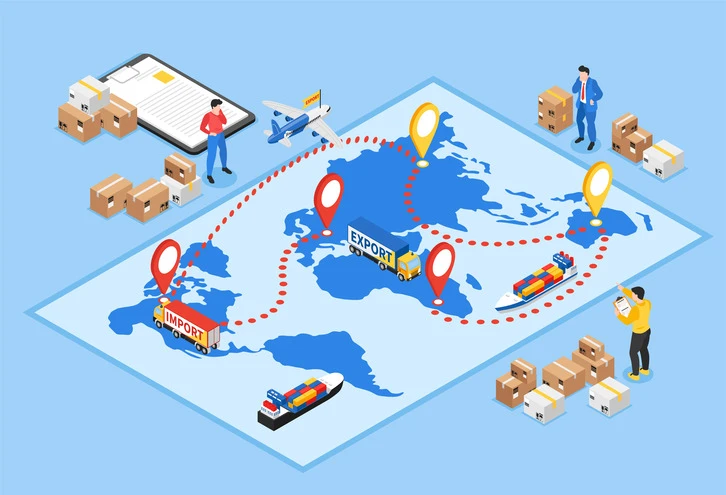
Another important application of AI in supply chain management is real-time visibility and optimization. AI technology provides businesses with unprecedented insights into every aspect of the supply chain, from production and logistics to warehousing and distribution. By analyzing data from sensors, RFID tags, and other sources, AI algorithms can identify inefficiencies, bottlenecks, and potential risks in the supply chain, enabling organizations to take timely corrective actions. For example, AI-powered supply chain visibility platforms can track the movement of goods in real-time and provide alerts for any deviations from the planned schedule. This real-time visibility enables businesses to optimize their supply chain operations, improve delivery performance, and enhance customer satisfaction.
Overcoming Challenges and Embracing Opportunities
Addressing Data Quality and Integration Challenges
While the benefits of AI in demand planning and forecasting are clear, organizations must also address various challenges and obstacles. One of the key challenges is ensuring the quality and integrity of data inputs. Inaccurate or incomplete data can lead to flawed predictions and unreliable forecasts, undermining the effectiveness of AI-driven solutions. To overcome this challenge, businesses must invest in data quality management processes and technologies to ensure that their data is accurate, reliable, and up-to-date.
Embracing Innovation and Collaboration
Despite the challenges, the potential benefits of AI in demand planning and forecasting are significant. To fully harness the power of AI, organizations must embrace innovation and collaboration. By investing in research and development and fostering partnerships with AI experts and technology providers, businesses can unlock new opportunities for growth and innovation. Moreover, by leveraging AI to augment human expertise and decision-making capabilities, organizations can gain a competitive advantage in the marketplace and drive sustainable business growth.
In conclusion, AI is revolutionizing demand planning and forecasting for businesses, offering unprecedented insights and capabilities that drive efficiency, agility, and competitiveness. By harnessing the power of AI-driven data analysis, predictive analytics, inventory management, customer personalization, and supply chain optimization, organizations can unlock new levels of performance and success in today's rapidly evolving marketplace.
Predict your sales volume and demand trends with our Artificial Intelligence-based SaaS platform visit: https://thousense.ai/







Sign in to leave a comment.