
INTRODUCTION
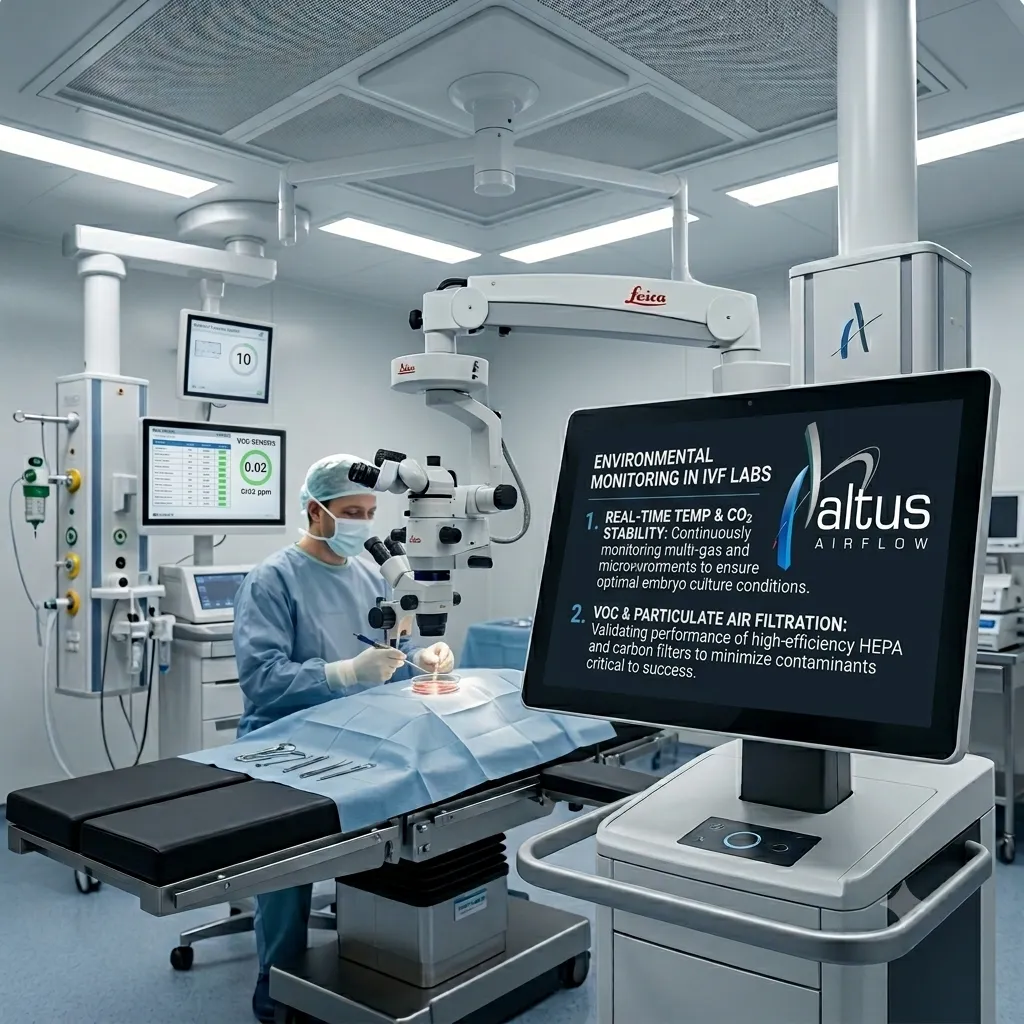
In assisted reproductive technology, contamination control is one of the most critical factors influencing laboratory performance and treatment success. The IVF laboratory is a highly specialized environment where eggs, sperm, embryos, and reproductive tissues are handled under controlled conditions. Because these biological materials are extremely delicate, exposure to airborne particles, volatile organic compounds (VOCs), microorganisms, temperature fluctuations, or improper workflows can compromise their viability.
An experienced IVF Lab Design Consultant plays a vital role in preventing contamination by designing laboratories that prioritize environmental stability, cleanroom principles, optimized workflows, and advanced engineering controls. Their expertise ensures that fertility clinics maintain safe and efficient environments capable of supporting the highest standards of reproductive care.
This article explores how an IVF Lab Design Consultant helps prevent contamination and safeguards the integrity of IVF procedures.
Why Contamination Control Matters in IVF Laboratories
Contamination can directly affect reproductive outcomes.
Potential Consequences Include:
- Reduced embryo viability
- Compromised gamete quality
- Increased procedural risks
- Lower treatment success rates
Preventing contamination is therefore essential.
Understanding Sources of Contamination
Effective prevention begins with identifying risks.
Common Sources Include:
- Airborne particles
- Microorganisms
- Volatile organic compounds (VOCs)
- Staff movement
- Improper workflows
- Inadequate cleaning practices
Recognizing these sources guides laboratory planning.
Role of an IVF Lab Design Consultant
Consultants integrate contamination prevention into every stage of design.
Responsibilities Include:
- Environmental planning
- Workflow optimization
- HVAC coordination
- Material selection
- Validation oversight
Their expertise supports long-term laboratory performance.
Designing According to Cleanroom Principles
Cleanroom concepts reduce environmental exposure.
Benefits Include:
- Controlled environments
- Improved cleanliness
- Reduced contamination risks
These principles form the foundation of IVF laboratory planning.
Strategic Laboratory Zoning
Segregation minimizes cross-contamination.
Typical Zones Include:
- Reception and administrative areas
- Andrology laboratories
- Embryology laboratories
- Cryostorage areas
- Utility and support spaces
Proper zoning controls movement patterns.
Controlled Staff Movement
Human activity influences contamination.
Design Strategies Include:
- Defined circulation pathways
- Restricted access areas
- Efficient workflows
Movement control enhances safety.
Advanced HVAC Design
Environmental systems are central to contamination prevention.
HVAC Objectives Include:
- Stable temperatures
- Humidity regulation
- Controlled airflow
- Continuous filtration
Proper engineering protects sensitive specimens.
HEPA Filtration Systems
Air purification improves environmental quality.
Benefits Include:
- Removal of particulates
- Cleaner workspaces
- Enhanced embryo protection
HEPA filters are essential components.
Activated Carbon Filtration
Volatile organic compounds can negatively impact reproductive materials.
Advantages Include:
- VOC reduction
- Improved air purity
- Enhanced laboratory performance
Carbon filtration adds another layer of protection.
Pressure Differential Management
Pressure strategies control airflow direction.
Benefits Include:
- Reduced contamination transfer
- Enhanced environmental segregation
- Improved operational consistency
Pressure control supports cleanroom integrity.
Air Change Optimization
Fresh, filtered air contributes to safety.
Objectives Include:
- Maintaining cleanliness
- Diluting contaminants
- Supporting environmental stability
Optimized air changes improve laboratory conditions.
Temperature Stability
Environmental consistency is critical.
Benefits Include:
- Reduced specimen stress
- Improved process reliability
Consultants specify precise controls.
Humidity Regulation
Humidity influences both personnel comfort and equipment performance.
Advantages Include:
- Stable conditions
- Reduced environmental variability
Controlled humidity supports laboratory function.
Low-VOC Material Selection
Construction materials contribute to air quality.
Recommended Characteristics Include:
- Minimal emissions
- Durability
- Ease of maintenance
Appropriate materials reduce contamination risks.
Seamless Surface Design
Smooth surfaces improve hygiene.
Benefits Include:
- Easier cleaning
- Fewer contamination traps
- Better maintenance outcomes
Surface design influences cleanliness.
Equipment Placement Optimization
Efficient layouts minimize unnecessary handling.
Goals Include:
- Reduced specimen movement
- Improved accessibility
- Better staff coordination
Strategic positioning enhances workflows.
Dedicated Embryology Areas
Sensitive procedures require protection.
Advantages Include:
- Environmental consistency
- Controlled access
- Reduced disruptions
Specialized areas support embryo development.
Cryostorage Planning
Storage systems must remain secure.
Considerations Include:
- Safe access
- Monitoring systems
- Organized workflows
Proper planning protects specimens.
Environmental Monitoring Systems
Continuous oversight improves responsiveness.
Parameters Include:
- Temperature
- Humidity
- Pressure
- Air quality
Monitoring supports proactive management.
Automated Alarm Systems
Rapid alerts reduce risks.
Notifications May Address:
- Environmental deviations
- Equipment malfunctions
Prompt action minimizes impact.
Cleaning and Disinfection Support
Design influences housekeeping effectiveness.
Strategies Include:
- Accessible layouts
- Durable finishes
- Simplified maintenance
Efficient cleaning reduces contamination.
Validation and Testing Procedures
Performance verification is essential.
Activities Include:
- Airflow assessments
- Particle testing
- Pressure verification
- Environmental qualification
Validation confirms readiness.
Staff Training Recommendations
Personnel practices influence outcomes.
Training Topics Include:
- Contamination awareness
- Workflow discipline
- Environmental protocols
Education strengthens prevention efforts.
Documentation and Quality Systems
Consistency requires proper records.
Documentation Includes:
- Monitoring logs
- Validation reports
- Maintenance schedules
Traceability supports continuous improvement.
Benefits of Working With an IVF Lab Design Consultant
Professional guidance provides measurable advantages.
Key Benefits Include:
- Improved contamination control
- Better air quality
- Enhanced embryo protection
- Increased operational efficiency
- Reduced environmental risks
- Stronger compliance readiness
- Improved treatment support
Consultant expertise enhances laboratory performance.
Why Contamination Prevention Supports IVF Success
Environmental quality influences outcomes.
Positive Impacts Include:
- Greater confidence among patients
- Improved laboratory reliability
- Enhanced reproductive support
Clean environments contribute to excellence.
Conclusion
Preventing contamination is one of the most important contributions an IVF Lab Design Consultant brings to fertility laboratory projects. Through advanced HVAC planning, cleanroom principles, strategic zoning, HEPA and carbon filtration systems, environmental monitoring, material selection, and validation procedures, consultants create highly controlled environments that protect embryos and reproductive tissues. By minimizing contamination risks and promoting operational consistency, fertility clinics can strengthen their commitment to quality care and successful treatment outcomes. With expertise in reproductive laboratory engineering and contamination control strategies, Altus Airflow helps healthcare providers establish IVF laboratories designed to meet the highest standards of safety, efficiency, and reliability.
Frequently Asked Questions (FAQs)
1. How does an IVF Lab Design Consultant reduce contamination risks?
An IVF Lab Design Consultant reduces contamination through cleanroom planning, optimized workflows, advanced HVAC systems, and environmental monitoring.
2. Why are HEPA filters important according to an IVF Lab Design Consultant?
HEPA filters remove airborne particles and improve air quality within sensitive laboratory environments.
3. Does an IVF Lab Design Consultant address VOC control?
Yes, an IVF Lab Design Consultant often recommends activated carbon filtration and low-emission materials to reduce VOC exposure.
4. How does zoning help an IVF Lab Design Consultant prevent contamination?
Zoning separates activities and controls movement, reducing opportunities for cross-contamination.
5. Does an IVF Lab Design Consultant assist with validation?
Yes, an IVF Lab Design Consultant supports environmental testing, validation procedures, and performance verification to ensure laboratory readiness.
Read Our Previous Blog------>How long does a Modular Ophthalmic OT Turnkey Project Company take to complete a project?
























Sign in to leave a comment.