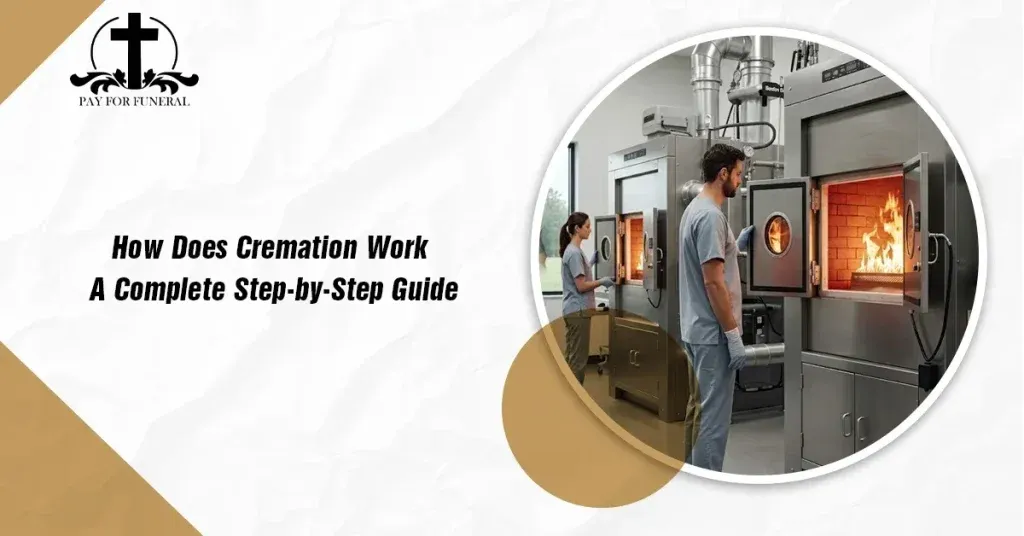

Cremation has become an increasingly common choice for families planning end-of-life arrangements. Yet, despite its growing popularity, many people still wonder: How does cremation work? What happens before, during, and after the cremation process?
Understanding the process can make funeral planning less stressful and help families make informed decisions. Cremation is a carefully regulated procedure that involves identification, preparation, the use of a cremation chamber, processing of the remains, and final placement or memorialization.
This complete guide explains how cremation works step by step, what happens to the body, how long cremation takes, and what families can expect afterward.
What Is Cremation?
Cremation is a process that uses intense heat to reduce human remains to bone fragments. These fragments are then processed into a finer, sand-like material commonly called cremated remains or “ashes.”
Unlike traditional burial, cremation does not involve placing the body in a cemetery plot. Families can choose from many options afterward, including keeping the cremated remains in an urn, scattering them where legally permitted, placing them in a cemetery, or incorporating them into a memorial.
The exact procedures vary by crematory and local regulations, but the basic process is generally similar.
How Does Cremation Work? Step-by-Step
Step 1: Making Funeral Arrangements
The process begins when a family chooses cremation and makes arrangements with a funeral home or crematory.
During this stage, the family typically provides important information and makes decisions about:
- Direct cremation or cremation with a funeral service
- Transportation of the deceased
- Identification procedures
- Type of container or cremation casket
- Memorial or viewing arrangements
- Final disposition of the cremated remains
- Urn selection
If the deceased had previously made arrangements or documented their wishes, the family may use those instructions to guide the process.
Step 2: Identification and Authorization
Before cremation can take place, the crematory must follow applicable identification and authorization procedures.
The required paperwork can include a death certificate, cremation authorization, permits, and other documentation required by local law.
Identification procedures are especially important because cremation is irreversible. Many crematories use identification tags or tracking systems throughout the process to help maintain accurate identification.
The specific requirements differ depending on the location.
Step 3: Transportation to the Crematory
After the necessary arrangements have been completed, the deceased is transported to the funeral home or crematory.
The body is handled respectfully and remains under the facility’s care until the cremation process is completed.
If a family chooses a viewing or funeral service before cremation, those arrangements typically occur before the body enters the cremation chamber.
Step 4: Preparing the Body for Cremation
Before cremation, the body is prepared according to the crematory’s procedures and applicable regulations.
Personal belongings may be removed or retained depending on the family’s wishes and the crematory’s policies. Certain medical devices or materials may require special attention because some devices can be unsafe when exposed to the high temperatures inside a cremation chamber.
The body is generally placed in a combustible container or cremation container designed for use in the chamber.
Step 5: Placing the Body in the Cremation Chamber
The container holding the deceased is transferred into the cremation chamber.
A cremation chamber, sometimes called a retort, is a specially designed structure capable of reaching extremely high temperatures.
The chamber is constructed to withstand intense heat while allowing the crematory operator to control and monitor the process.
Depending on the facility, the chamber may be used for only one individual at a time, which helps maintain identification and separation of remains.
Step 6: The Cremation Process Begins
Once the chamber reaches the required operating conditions, the cremation process begins.
High temperatures cause the container and organic materials of the body to break down. Much of the body’s soft tissue is reduced through heat and evaporation.
The bones remain because they are more resistant to the cremation process.
The duration varies based on factors such as the size and weight of the individual, the equipment being used, and operating conditions. The process itself commonly takes several hours, although the complete timeline from arrival at the crematory to receiving the cremated remains can be longer.
Step 7: Cooling the Remains
After the cremation cycle is complete, the remaining bone fragments are allowed to cool.
The crematory operator then carefully removes the remains from the chamber.
At this stage, the remains are primarily bone fragments rather than the fine material people commonly picture when they hear the word “ashes.”
Step 8: Processing the Bone Fragments
The cooled bone fragments are processed using specialized equipment.
This step reduces the fragments into a consistent, finer material. The resulting cremated remains are usually grayish or whitish in appearance and have a texture similar to coarse sand.
The remains are then carefully collected for placement into a temporary container or the family’s chosen urn.
Step 9: Returning the Cremated Remains
Once processing and identification procedures are complete, the cremated remains are returned to the family or designated recipient.
Families may receive the remains in a temporary container if they have not yet selected a permanent urn.
At this point, families can decide how they want to memorialize their loved one.
What Happens to the Body During Cremation?
One of the most common questions about cremation is what physically happens to the body.
During cremation, intense heat causes the body’s soft tissues to break down. Water and other components are released through the heating process, while the bones remain.
Afterward, the bones are cooled and processed into the material commonly referred to as cremated remains.
It is important to understand that cremated remains are not simply “ashes” in the same way that wood or paper leaves ash after burning. They primarily consist of processed bone fragments.
How Long Does Cremation Take?
The cremation cycle itself often takes several hours, but the total time before a family receives the cremated remains can vary considerably.
Factors affecting the timeline may include:
- Required permits and paperwork
- Medical examiner or coroner requirements
- Transportation
- Facility scheduling
- Identification procedures
- Type of cremation service
- Preparation and authorization requirements
- Processing and final packaging
For this reason, families should ask the funeral home or crematory for its expected timeline.
What Is Direct Cremation?
Direct cremation is a simple cremation arrangement in which the body is cremated without a traditional funeral service or public viewing beforehand.
Because it generally involves fewer services, direct cremation can be less expensive than a traditional funeral followed by cremation.
Families can still hold a memorial service afterward. For example, they might organize a celebration of life several weeks after the cremation and use the person’s cremated remains as part of the memorial.
What Is the Difference Between Cremation and Burial?
The main difference is what happens to the body after death.
With burial, the deceased is placed in a cemetery grave or another approved burial location. With cremation, the body is reduced through controlled high-temperature processing, and the resulting cremated remains can be kept, buried, scattered where permitted, or memorialized in other ways.
Cremation may offer:
- More flexibility for memorialization
- Various service options
- Potentially lower costs depending on arrangements
- The ability to keep the remains in an urn
- Different options for final disposition
Burial may offer:
- A permanent cemetery location
- A traditional graveside ceremony
- A physical place for family members to visit
- Cultural or religious significance for some families
Neither option is universally better. The right choice depends on personal wishes, cultural traditions, religious beliefs, family preferences, and financial considerations.
What Can Families Do With Cremated Remains?
After cremation, families have several options for the final disposition of cremated remains, depending on local laws and personal preferences.
Common choices include:
Keeping the Remains in an Urn
A family may keep the cremated remains in a decorative urn at home or another appropriate location.
Cemetery Placement
Cremated remains can sometimes be placed in a cemetery plot, columbarium niche, or another designated memorial location.
Scattering
Some families choose to scatter cremated remains in a meaningful location. However, permission and legal requirements vary by location, so families should check applicable rules before scattering.
Memorial Jewelry
A small portion of cremated remains may be incorporated into certain types of memorial jewelry or keepsakes.
Creating a Memorial
Families may also use the cremated remains as part of a memorialization process, depending on the options available in their area.
Is Cremation Environmentally Friendly?
Cremation and burial both have environmental considerations.
Cremation eliminates the need for a traditional burial plot and can reduce the amount of land required for conventional cemetery use. However, cremation requires significant energy and produces emissions.
Environmental impact depends on factors such as crematory technology, energy source, operating efficiency, and local practices.
Families who are particularly concerned about environmental impact can ask crematories about their equipment, emissions controls, and available eco-conscious options.
Final Thoughts: Understanding How Cremation Works
So, how does cremation work? The process involves much more than placing a body into a chamber. It is a carefully controlled procedure that begins with funeral arrangements and legal authorization, continues through identification and preparation, and ends with processing and returning the cremated remains to the family.
Understanding each stage can make an emotional time easier to navigate. Whether a family chooses direct cremation, a traditional funeral followed by cremation, or a personalized memorial service, learning about the available options allows them to make decisions that reflect their wishes and budget.
Most importantly, families should work with a reputable funeral home or crematory, ask questions about the process, and confirm local legal requirements before making final arrangements.


























Sign in to leave a comment.