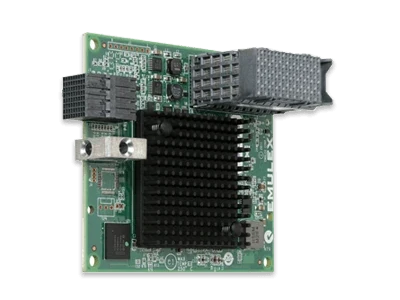

Data moves every second in modern IT systems. Banks, hospitals, and online stores send large files every day. Because of this, strong and fast storage networks are very important.
A recent report by International Data Corporation shows that global data will reach about 175 zettabytes by the year 2025.
This huge growth means businesses need faster ways to move data inside their data centers. That is where Fiber technology plays a big role. Fiber Channel networks help servers and storage systems share data at very high speeds. They create a strong connection that keeps information moving without delay.
Many companies use this technology in storage area networks, also known as SANs. These networks help handle large workloads like cloud computing and data analytics. The system works smoothly and keeps performance stable.
The next sections explain six important ways Fiber technology supports fast data flow.
1. High-Speed Data Transfer
Fiber technology supports very high-speed communication between servers and storage devices. It allows systems to move large blocks of data quickly.
Modern Fibre Channel networks support speeds like 16Gb, 32Gb, and even 64Gb per second. Because of this, high-speed companies can process large files without delay. Video editing systems, research labs, and cloud platforms depend on this speed. When data travels quickly, systems respond faster. Applications open quickly, and users get results without waiting. This helps businesses work smoothly every day.
Key benefits include:
- Fast movement of large data files.
- Smooth performance for storage systems.
- Better response time for applications.
2. Dedicated Storage Network
Fiber technology uses a special network designed only for storage traffic. This design helps data move faster because other network activities do not interrupt the flow.
In many companies normal networks handle emails web browsing and file sharing. When too many tasks run together, speed often drops. Fiber network solves this problem by creating a separate storage path. Because the network focuses only on storage traffic, the connection stays stable and fast. Servers communicate directly with storage arrays without congestion.
Why Dedicated Networks Improve Speed
A dedicated storage network reduces delays. Each server sends and receives data through a direct channel. This design prevents heavy traffic that slows normal networks. The result is clear and consistent data flow. Businesses gain reliable performance even during heavy workloads.
3. Low Latency Communication
Latency means the time it takes for data to travel from one point to another. Lower latency means faster response. Fiber Channel technology keeps latency very low. It sends data through efficient hardware protocols. This design helps storage systems respond quickly.
Fast response time is very important for many business applications. Databases financial systems and cloud platforms rely on quick data access. When latency stays low, systems work smoothly. Users experience faster loading and quicker processing.
Some important advantages include:
- Quick communication between server and storage.
- Faster database operations.
- Improved system productivity.
4. Reliable Data Delivery
Fiber networks focus strongly on reliability. The technology checks every data frame before sending it forward.
If an error appears, the system corrects the issue quickly. This process protects the integrity of the data. Reliable delivery also prevents data loss. Because of this feature, many industries trust Fiber technology for critical workloads. Hospitals, financial institutions, and research centers use it to protect valuable information.
Error Control Helps Maintain Speed
Error control may sound like a security feature, but it also improves performance. When networks avoid repeated errors, they avoid repeated transmissions. This keeps the flow of data steady. As a result, systems maintain fast and stable performance throughout the network.
5. Scalable Network Architecture
Businesses grow over time and their storage needs grow as well. Fiber Channel technology supports easy expansion. Companies can add new servers storage arrays and switches to the network. The system continues to work efficiently even after expansion.
This scalability ensures that the network keeps supporting fast data flow as workloads increase. Organizations do not need to rebuild the entire infrastructure.
Scalability advantages include:
- Easy addition of new storage devices.
- Smooth performance during growth.
- Long-term support for expanding data needs.
6. Efficient Traffic Management
Fiber technology organizes data traffic in a structured way. It uses intelligent switching and path management to guide data through the best route.
In a situation where several servers are connected to the storage, the system will distribute the traffic equally. This eliminates bottlenecks and provides adequate bandwidth to each connection. Traffic management is also efficient in balancing workloads in the network. The outcome is a predictable and stable performance.
Important benefits include:
- Balanced data traffic across the network.
- Reduced risk of network congestion.
- Consistent speed during heavy workloads.
Conclusion
Contemporary companies rely on quick and efficient data transfer. Storage systems are required to handle high amounts of information daily. Fiber Channel technology creates a robust storage network to help achieve this goal.
The technology facilitates fast data transmission and has dedicated storage links. It is also low-latency and highly reliable. These characteristics assist organizations to manage heavy workloads without loss of performance.
With the ever-increasing global data, firms need to depend on robust storage infrastructure. Fiber technology is still among the most reliable ways of ensuring high speed and reliable data flow. Businesses that depend on large data operations continue to use this technology to maintain speed, reliability, and efficiency in their data centers.


















Sign in to leave a comment.