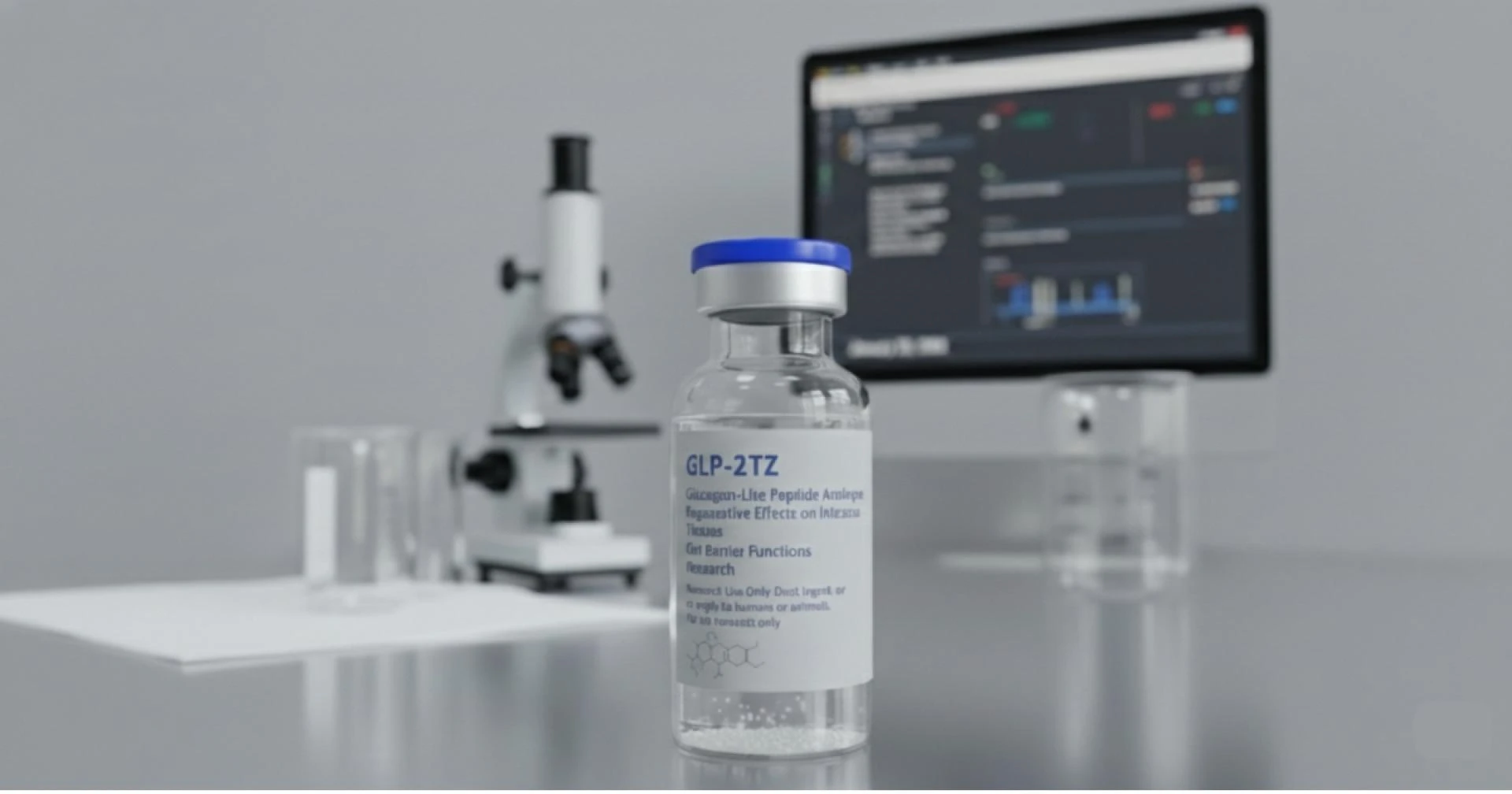

Modern science is paying more attention to the digestive system than ever before. The gut is not only responsible for digestion, but it also plays a key role in overall body balance. Because of this, researchers are studying different compounds that may help them better understand how the intestines grow, repair themselves, and stay strong. One such research peptide is GLP-2TZ.
This article explains how GLP-2TZ focuses on how it is used in laboratory studies, why researchers are interested in it, and how it supports research related to intestinal tissues and gut barrier functions. Everything is written for easy reading and clear understanding.
Why Gut Health Matters in Research
The digestive system is often called the body’s second brain. It absorbs nutrients, removes waste, and protects the body from harmful substances. Inside the gut, there is a thin lining that acts like a protective wall. When this wall is healthy, it allows good nutrients to pass through and blocks harmful elements.
Researchers study gut health because damage to this lining can affect many body systems. Problems in the gut barrier may lead to poor absorption and increased stress on the body. Understanding how this barrier works is an important part of gastrointestinal research.
Understanding This Research Peptide
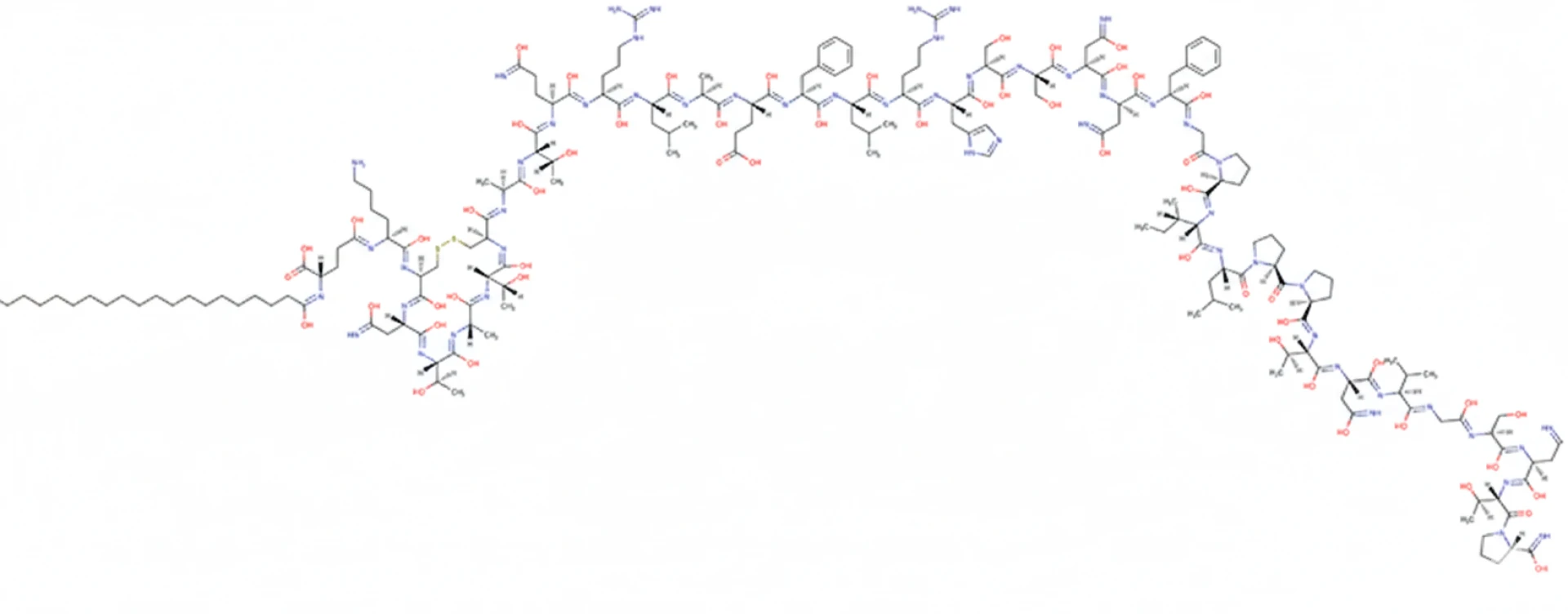
GLP-2TZ is a lab-created peptide based on a naturally occurring hormone found in the body. Natural versions of this hormone help support intestinal growth and repair. Scientists created this version to study those effects in a controlled environment.
This compound is not medicine and is not used for treatment. It exists only to help researchers observe how intestinal tissues behave under certain conditions. By using it in labs, scientists can safely explore how gut cells grow and respond to stress.
How This Compound Supports Intestinal Tissue Studies
One major reason researchers work with this peptide is its connection to intestinal tissue regeneration. Regeneration means helping cells grow back or recover after damage. The lining of the intestines is always renewing itself, which makes it an important area of study.
In laboratory settings, researchers observe how intestinal cells respond when exposed to this compound. They study cell growth patterns, tissue strength, and structural changes over time. These observations help scientists understand how the gut maintains its protective layer.
Its Role in Gut Barrier Function Research
The gut barrier is made of tightly connected cells. These connections control what passes through the intestinal wall. If the connections weaken, unwanted substances may pass through, which is a major focus of research.
This peptide is studied to understand how these cell connections behave. Researchers examine whether it supports stronger tissue structure and better cell organization. These studies provide valuable insight into how gut barriers work at a deeper level.
How Researchers Use It in the Lab
In laboratory research, precision is very important. This compound is used in controlled amounts and under strict conditions. Scientists design experiments where they can carefully measure how intestinal cells react.
Researchers may study:
- How cells grow over time
- How tissues respond to stress
- How the intestinal lining changes under observation
All of this work happens in professional research environments, following strict scientific guidelines.
Why This Peptide Is Useful for Controlled Research
One of the biggest advantages of this research molecule is its consistency. In science, repeatable results are very important. A compound that behaves the same way each time allows researchers to compare data accurately.
This peptide is created under controlled manufacturing conditions. That means researchers can rely on it to behave predictably during experiments. Reliable compounds lead to better data and clearer conclusions.
Focus on Gastrointestinal Structure
The structure of the gut is complex. It includes many layers of tissue, each with a different role. Researchers are interested in how these layers interact and support each other.
This compound allows scientists to study these layers more closely. By observing tissue development and organization, researchers can better understand how the digestive system stays strong and functional.
Use in Advanced Research Models
Modern research often uses advanced models to simulate real biological systems. This peptide is suitable for these models because it interacts well with intestinal cells in laboratory conditions.
Researchers use it to test theories, explore cellular behavior, and gather data that supports larger scientific studies. These models help scientists study gut health without direct human or animal application.
Important Research-Only Guidelines
It is very important to understand that this compound is intended only for scientific research. It is not approved for personal use, medical use, or veterinary use.
All studies involving this peptide are conducted by trained professionals in controlled environments. This ensures safety, accuracy, and proper handling throughout the research process.
Storage and Care in Research Settings
Proper storage plays a key role in maintaining the quality of research peptides. After preparation, this compound is kept under cool conditions to preserve its structure.
For longer storage, it is placed in deep-freeze environments. These steps help maintain stability and ensure the compound performs consistently during experiments. Following proper storage practices is a standard part of laboratory research.
Why Gut Research Is Growing Rapidly
In recent years, gut research has expanded rapidly. Scientists now understand that digestive health affects many parts of the body. Because of this, research related to intestinal tissues has become a major focus.
Compounds like this peptide help researchers explore these connections. The more scientists learn, the better they can understand how the gut supports overall body balance.
Supporting Scientific Progress
Every research compound plays a small role in advancing science. This peptide supports studies that improve understanding of intestinal function and tissue behavior.
While it is not a treatment or product for consumers, it helps researchers answer important scientific questions. These answers contribute to long-term progress in digestive system research.
The Importance of Ethical Research
Ethical guidelines are a major part of scientific work. This compound is used only within approved research frameworks. Scientists follow clear rules to ensure responsible use and accurate reporting.
Ethical research protects both the scientific community and the integrity of research results.
What Researchers Learn from Studying This Compound
Through careful observation, researchers learn how intestinal tissues grow, adapt, and protect the body. They also gain insight into how gut barriers respond under different laboratory conditions.
This knowledge helps build a stronger foundation for future scientific studies related to digestive health.
Final Thoughts
GLP-2TZ is an important research peptide used in studies focused on intestinal tissues and gut barrier functions. Its ability to support research on tissue regeneration and digestive structure makes it valuable in scientific environments.
Written in simple terms, GLP-2TZ helps researchers explore how the gut grows, repairs itself, and protects the body. While it is not meant for personal or medical use, its role in laboratory research continues to support progress in gastrointestinal science.
























Sign in to leave a comment.