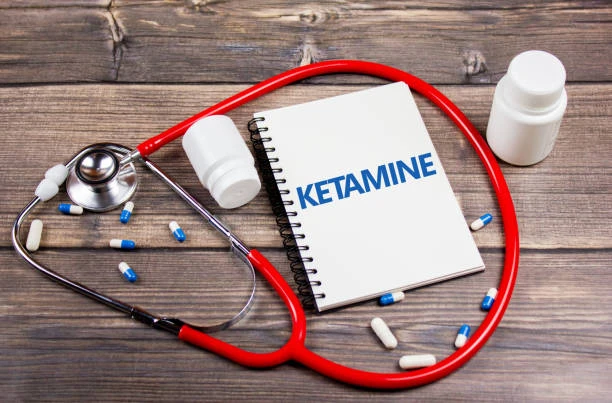

Post-traumatic stress disorder can literally ruin your life. It can occur after a horrible incident, such as war, a car crash, the loss of a loved one, a catastrophic event, or sexual or physical abuse by someone. Only in the US, 7 people out of every 100 experience PTSD at some point in their lives. Orthodox therapies take time to work, and in some cases, sufferers of PTSD get little relief. If your PTSD is not responding to these treatments, ketamine may be a good option. In this article, we will explain how ketamine therapy for PTSD actually works.
Understanding PTSD
PTSD is a mental health condition that develops when an individual encounters something extremely terrifying or painful. In simple words, it is a condition when your brain gets stuck in “survival mode” even when you’re no longer in danger. Patients with PTSD may have visions of the event through flashbacks or nightmares, start avoiding places or things that remind them of it, feel overexcited or anxious, and often struggle with sleep or mood swings.
How PTSD Affects the Brain?
PTSD is not only “in your head”—it also physically changes how your brain functions. The amygdala, located within the temporal lobes of the brain, which controls fear and aggression, gets hyperactive. The hippocampus, located within the medial temporal lobe, which helps with memories, shrinks, making it harder to tell the past from the present.
The prefrontal cortex, located in the frontal lobe, which helps with complex cognitive functions, loses control over the fear response. Overall, trauma scrambles your brain’s neural network and makes it tough to feel safe again. This is why PTSD feels so real and intense—your brain is stuck in a loop.
How Does Ketamine Work for PTSD?
Before we explain to you the process of ketamine-assisted therapy, let’s know some interesting facts about it. The efficacy of ketamine to positively impact PTSD was accidentally discovered during the war in Iran in 1990. Hundreds of soldiers were seriously injured in the battleground, and those who had surgeries using ketamine as a local anesthetic did not have, or rarely have, PTSD, while soldiers who were administered with other types of anesthesia did have PTSD.
Now, coming to the point, when ketamine is released into your body for PTSD, a circuit in the brain responsible for resilience and resistance to stress gets activated. Research has shown that ketamine can inhibit NMDA-c receptors in the brain. Glutamate is a significant neurotransmitter and has a profound impact on many parts of the brain. An increased level of this neurotransmitter can trigger depressive symptoms. When ketamine blocks glutamate, it reduces the level of depression by restoring the rhythm in the glutamate neurotransmission route.
Ketamine also has anti-inflammatory properties. As depression is connected to chronic inflammation, ketamine stimulates the regrowth of particular neurological connections. Researchers claim that longer exposure to stress, anxiety or trauma can damage certain neurons, which leads to depression. Ketamine has the potential to regenerate neurons within hours and relieve symptoms of depression. Ketamine is also very effective on the amygdala and hippocampus.
How Does Your Body Respond to Ketamine?
If your doctor or expert at the mental health counseling center thinks that your PTSD symptoms will respond positively to ketamine, then it's worth trying. In the beginning, the practitioner will ask you to relax on the treatment chair. Then, you will be slowly administered with a low-dose, intravenous infusion of ketamine for approximately 40 minutes. The medical staff with the doctor will closely examine the effectiveness of your treatment, as well as your vitals, to be 100% sure that it is safe for you.
People who have undergone ketamine-assisted psychotherapy in Davis County say that the treatment is very pleasant. You can listen to your favorite music with earbuds or read material to complement the calming sensation you get during your treatment. Also, you are conscious during ketamine therapy, but your body and brain are in a relaxed state.
You might experience minor changes in your perceptions or emotions due to the effects of ketamine on the brain. After that, you might feel a little sleepy. For the remainder of the day, you should not drive or operate any kind of machine that needs your full attention. You must have an individual with you on the day of therapy to drive you home.
In Short
Ketamine therapy is a new hope for people with prolonged PTSD. It works quite differently from other treatments by helping the brain repair itself and get out of the trauma loop. If you or someone you know is struggling with it, don’t stay silent—help is out there. Talk to a mental health professional and explore your options. Clinics like Life Matters Counseling can guide you through treatment choices, including whether ketamine therapy might be right for you.




















Sign in to leave a comment.