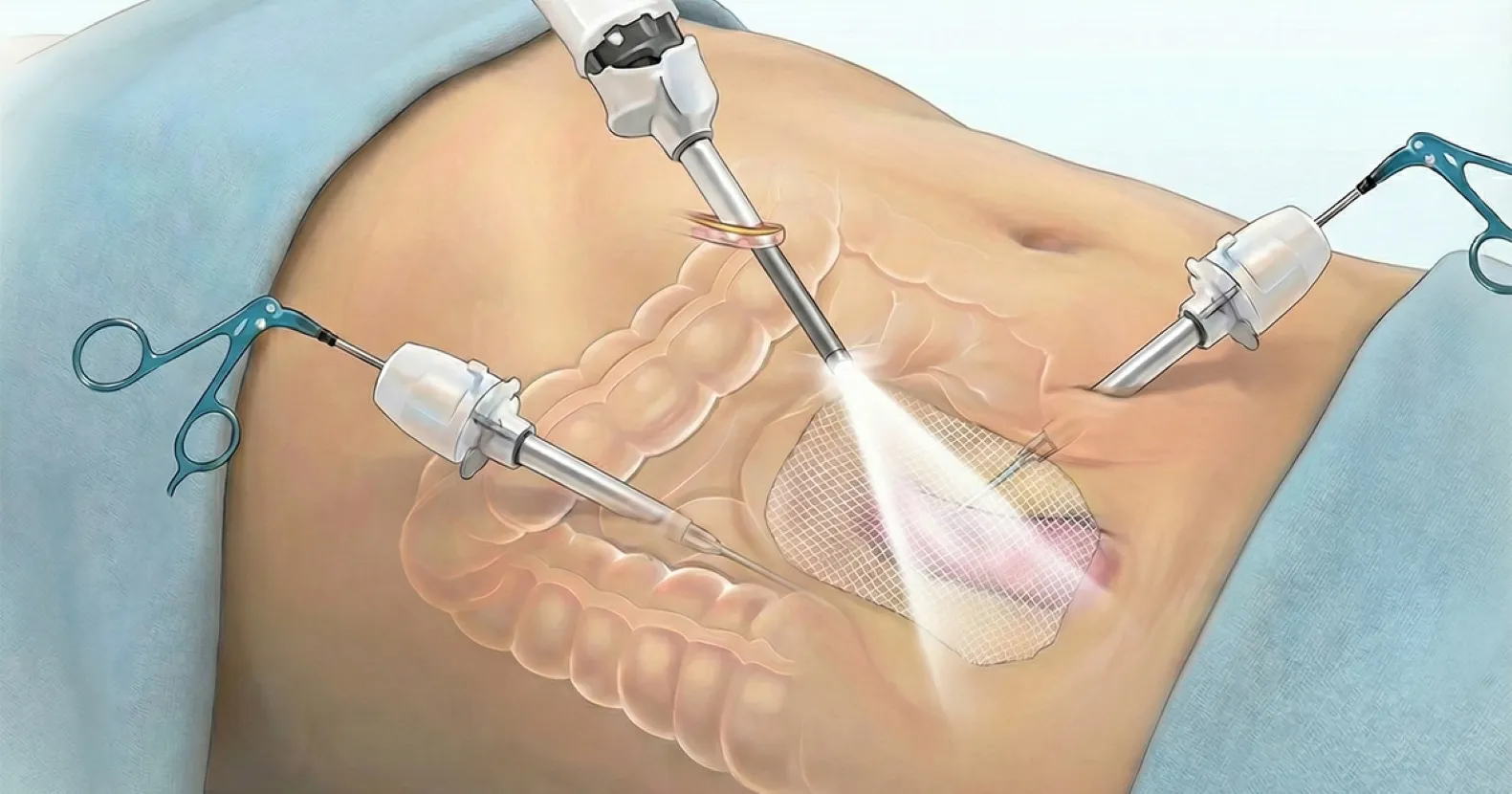

Hernias can interfere with daily life by causing discomfort, pain, or digestive symptoms depending on their location. Advances in minimally invasive surgery have made treatment more precise for many patients. If you're considering laparoscopic hernia repair in Dubai, understanding how this approach works and the types of hernias it can treat can help you make an informed decision with your surgeon.
What Is Laparoscopic Hernia Repair?
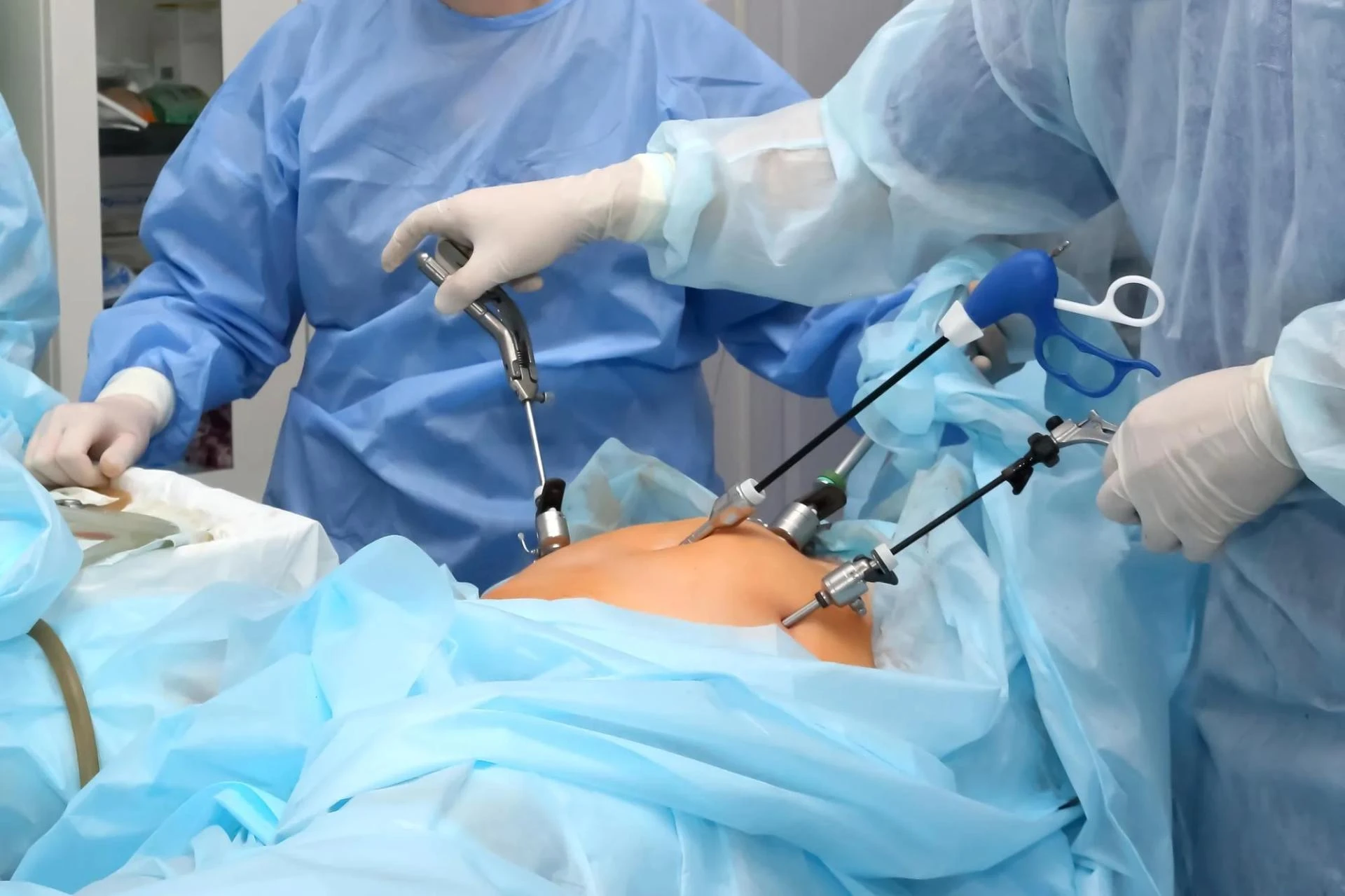
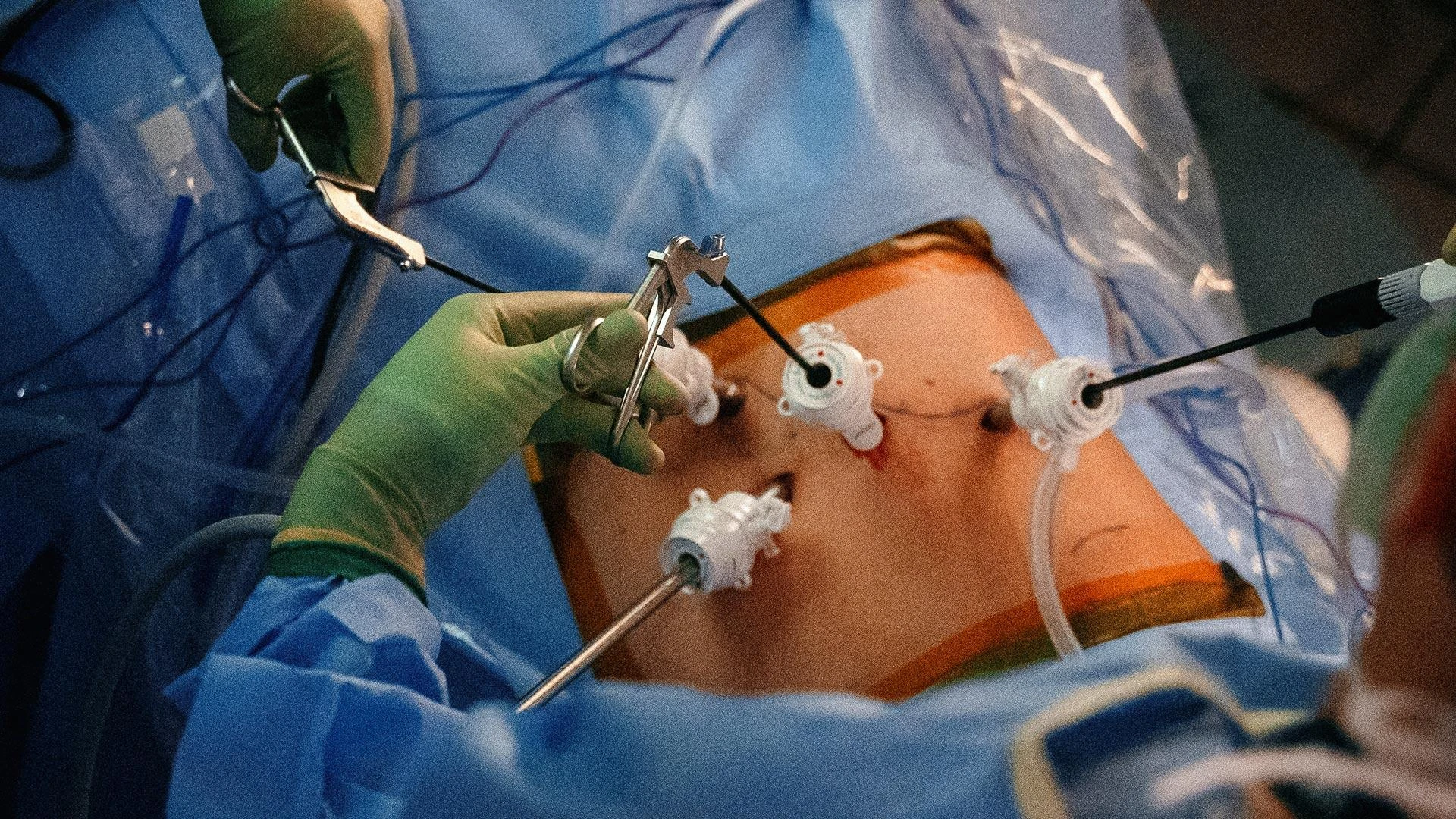
Laparoscopic hernia repair is a minimally invasive surgical technique that uses small incisions, a thin camera (laparoscope), and specialized instruments to repair a hernia. The surgeon views the affected area on a high-definition monitor and reinforces the weakened tissue, often using surgical mesh when clinically appropriate.
Compared with traditional open surgery, this approach allows the surgeon to work with enhanced visualization while limiting disruption to surrounding tissues.
Which Types of Hernias Can Be Treated?
Many hernias can be managed using laparoscopic techniques, depending on the patient's condition and the surgeon's assessment.
1. Hiatal Hernia
A hiatal hernia occurs when part of the stomach moves through the diaphragm into the chest. This condition may contribute to acid reflux, heartburn, chest discomfort, and difficulty swallowing. Laparoscopic repair aims to restore the stomach to its normal position and repair the opening in the diaphragm when surgery is recommended.
2. Inguinal Hernia
One of the most common hernia types, an inguinal hernia develops in the groin. Laparoscopic repair offers excellent visualization of both groin regions, which can be beneficial in selected cases.
3. Ventral and Incisional Hernias
These hernias appear in the abdominal wall, often at the site of a previous surgical incision. A laparoscopic approach may help reinforce weakened abdominal tissue while minimizing the size of surgical incisions.
Why Do Many Patients Consider Laparoscopic Hernia Repair in Dubai?
Patients often explore laparoscopic hernia repair in Dubai because minimally invasive techniques may offer several advantages when suitable for their condition.
Some potential benefits include:
- Smaller surgical incisions
- Enhanced visualization during surgery
- Reduced disruption of surrounding tissues
- Treatment options for different hernia types
- Individualized surgical planning based on the patient's health and hernia characteristics
The most appropriate surgical method should always be determined after a comprehensive medical evaluation.
What Happens Before the Procedure?
Before recommending surgery, a specialist typically performs:
- A detailed medical history review
- Physical examination
- Diagnostic imaging or endoscopy when required
- Assessment of symptoms and overall health
For patients with hiatal hernias, additional tests may be recommended to evaluate reflux or swallowing difficulties before deciding on surgery.
How Do You Know If Laparoscopic Repair Is Right for You?
Not every hernia requires immediate surgery, and not every patient is an ideal candidate for laparoscopic treatment. Factors such as hernia size, location, previous surgeries, medical history, and symptom severity all influence the treatment plan.
An experienced gastrointestinal surgeon can explain the available options and recommend the most appropriate approach based on your individual needs.
The Bottom Line!
Modern minimally invasive techniques have expanded the treatment options available for many patients with hernias. Whether addressing a hiatal, inguinal, ventral, or incisional hernia, laparoscopic hernia repair in Dubai offers a well-established surgical approach that focuses on precise repair while considering each patient's unique condition. Consulting an experienced specialist is the best way to determine whether laparoscopic surgery is appropriate for your specific diagnosis.
Frequently Asked Questions
1. Can laparoscopic hernia repair be used for recurrent hernias?
Yes. In selected patients, laparoscopic surgery may be considered for recurrent hernias, particularly when previous repairs were performed using an open approach. The decision depends on the type of hernia, prior surgical history, and overall health.
2. Is laparoscopic surgery suitable for hiatal hernia repair?
Yes. Laparoscopic surgery is a commonly used technique for repairing suitable hiatal hernias. The procedure aims to restore normal anatomy and may be recommended when symptoms persist despite appropriate medical management.
3. How is a hiatal hernia diagnosed before surgery?
Diagnosis may involve a physical evaluation along with tests such as upper endoscopy, imaging studies, or specialized assessments of the esophagus and stomach, depending on the patient's symptoms and the surgeon's recommendations.
4. Does every hernia require laparoscopic surgery?
No. Treatment depends on the hernia's type, size, symptoms, and the patient's overall condition. Some hernias may be monitored, while others are better treated with either laparoscopic or open surgery based on clinical evaluation.
5. How do I choose the right surgeon for laparoscopic hernia repair Dubai?
Look for a surgeon experienced in minimally invasive gastrointestinal and hernia procedures, who performs a thorough evaluation, explains all treatment options clearly, and develops a personalized care plan based on your diagnosis and health needs.

























Sign in to leave a comment.