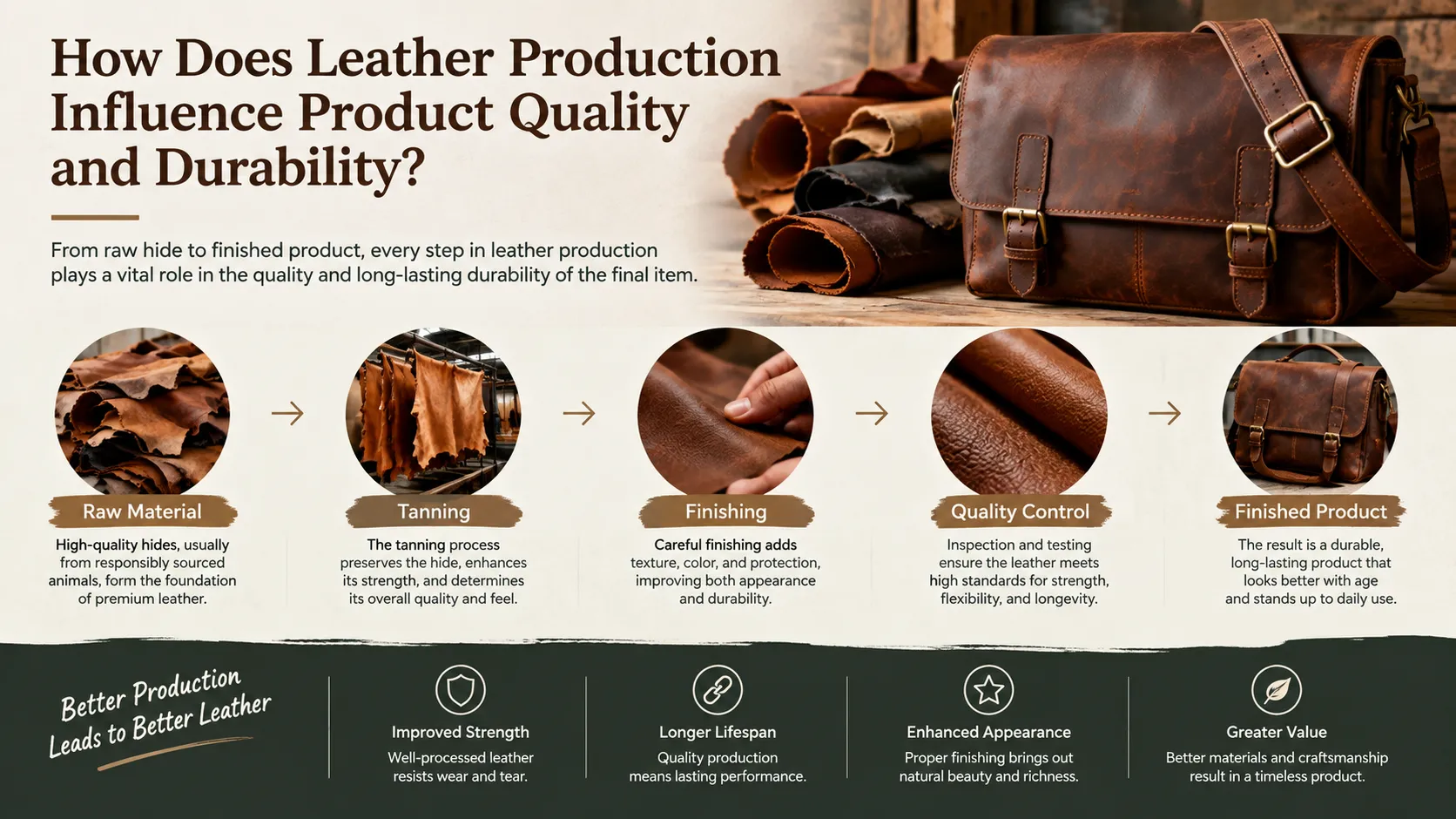

The leather industry is experiencing a renaissance. From luxurious fashion houses to everyday carry brands, leather remains the gold standard for products that age gracefully. But have you ever wondered what separates a premium leather briefcase from one that falls apart in two years? The answer lies not in the final product alone it's embedded in every stage of production.
The Foundation: Where Quality Begins
Leather production is an intricate dance of science, craftsmanship, and patience. It starts long before the hide ever reaches a factory floor. The quality of raw materials determines the ceiling for the finished product. Not all hides are created equal. Thickness, grain structure, and the animal's health during life all play crucial roles. Producers who invest in sourcing premium hides from ethical suppliers are laying the groundwork for products that will withstand decades of use.
The Tanning Revolution: Chemistry Meets Craftsmanship
Tanning is where leather truly transforms. The process involves treating raw hide with chemicals that stabilize the collagen structure, preventing decay and rot. There are several tanning methods chrome tanning (fast and affordable), vegetable tanning (traditional and durable), and combination approaches. Chrome-tanned leather is flexible and easier to work with, while vegetable-tanned leather develops a rich patina over time and lasts considerably longer. Premium manufacturers often employ combination tanning or full vegetable tanning to maximize durability. This step alone can add months to the production timeline and significantly impact the final product's longevity.
When you choose Alaskan heritage leather products, you're tapping into a legacy of meticulous tanning practices that honor traditional methods while maintaining modern quality standards. These producers understand that cutting corners during tanning is like compromising the foundation of a building everything built on top suffers the consequences.
Why Production Methods Matter?
Key factors that influence leather quality and durability:
Hide Selection & Grading
Premium leather uses top-tier hides with minimal imperfections and consistent thickness
Tanning Method
Vegetable tanning creates durable, age-worthy leather; chrome tanning offers flexibility at lower cost
Dyeing Process
Natural dyes penetrate deeper than surface-level stains; aniline dyes showcase leather's natural grain
Finishing Techniques
Proper conditioning and protective coatings preserve leather without suffocating it
Construction Standards
Double stitching, reinforced stress points, and quality hardware prevent premature wear
Moisture Control
Properly dried leather resists mold, cracking, and environmental damage
Quality Testing
Reputable manufacturers test tensile strength, tear resistance, and flexibility before shipping
The Durability Factor: Why Craftsmanship Costs More
Durable leather products require skilled labor. Cutting hides to minimize waste, hand-stitching seams to exact specifications, and hand-finishing edges isn't cheap or quick but it's what separates heirlooms from disposables. When leather is properly constructed, it actually improves with age. The supple feel deepens, the color richens, and the product develops a patina that tells the story of its use.
Production speed is the enemy of durability. Fast fashion leather producers rush through tanning, use thin cuts of hide to save money, and rely on aggressive chemical treatments that compromise fiber integrity. In contrast, heritage leather crafters intentionally slow down the process. They condition leather multiple times during production, allowing oils to penetrate fully. They hand-inspect every panel before assembly. This philosophy transforms leather from a disposable commodity into a legacy material.
Finding Trustworthy Makers: Look Beyond the Label
The rise of conscious consumption means more buyers are asking who makes their products and how. If you're searching for a leather briefcase that will last through career changes and adventures, partnering with a reputable leather briefcase maker USA isn't just about supporting local business it's about accessing transparency. American leather manufacturers often maintain strict quality control, use traceable materials, and can speak intimately about their production process. You can visit workshops, understand sourcing practices, and build relationships with the artisans behind your gear.
The best leather products are never made anonymously. When you invest in leather from a dedicated craftsperson or heritage brand, you're buying into accountability. These makers stake their reputation on durability because they expect their products to outlive trends.
The Bottom Line: You Get What You Pay For
Quality leather production is an investment in raw materials, time, expertise, and ethics. While an inexpensive leather wallet might seem like a bargain, authentic leather products from experienced producers are almost always worth the premium. They'll feel softer, age more beautifully, and require less replacement over your lifetime.
The leather production process isn't just a series of steps to rush through. It's a commitment to creating something that endures. When quality and craftsmanship align with premium materials, the result is leather that becomes better with every year of use a rare promise in today's throwaway culture.
























Sign in to leave a comment.