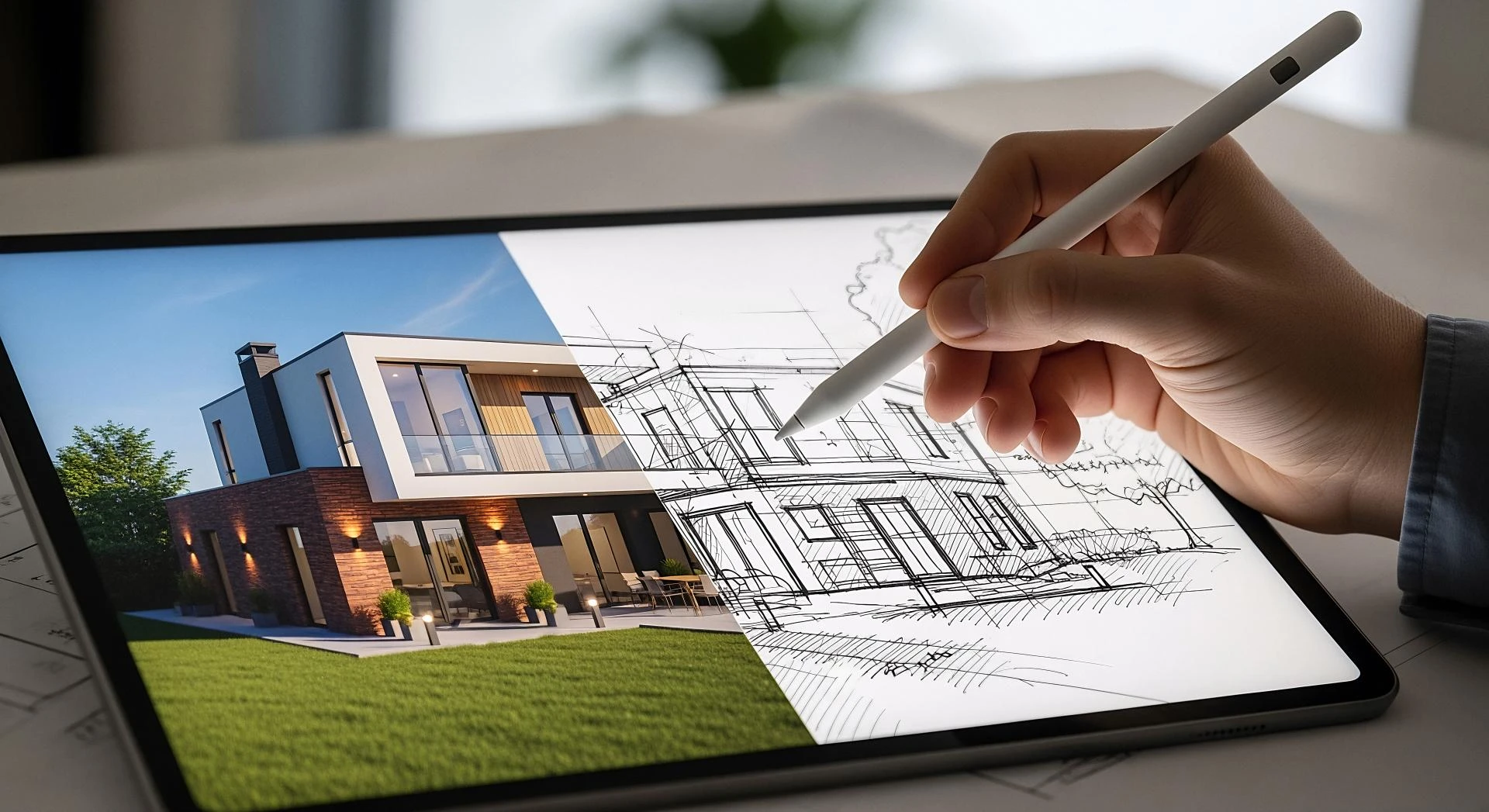

Online 3D modelling has changed the way creators, designers, and businesses bring ideas to life. Today, you no longer need expensive in-house teams or complex setups to build high-quality 3D visuals. With 3D modelling design online, professionals can collaborate remotely, share ideas instantly, and produce realistic digital models faster than ever before.
Whether you are designing a product, visualizing architecture, or creating artistic environments, online 3D modelling makes the entire process smoother and more accessible.
Understanding the Basics of Online 3D Modelling
3D modelling refers to the creation of three-dimensional objects using specialized software. When this process happens remotely through cloud tools, online platforms, or digital marketplaces, it becomes 3D modelling design online.
Instead of working locally with large files and hardware limitations, designers upload references, sketches, or concepts digitally. The modeller then builds the structure, textures, lighting, and details based on those inputs. Communication happens through shared previews, comments, and revision systems, allowing clients to stay involved at every stage.
This approach saves time, reduces cost, and improves creative clarity.
Step 1: Sharing the Concept and References
Every successful 3D project begins with a clear idea. Clients usually start by sharing sketches, images, mood boards, or written descriptions. These references help the designer understand proportions, style, and final usage.
For artistic projects such as landscape digital art, references might include terrain photos, lighting moods, environmental depth, or fantasy elements. For commercial work, references often include product measurements, branding guidelines, or architectural plans.
Clear inputs at this stage ensure accuracy and reduce revisions later.
Step 2: Building the 3D Structure
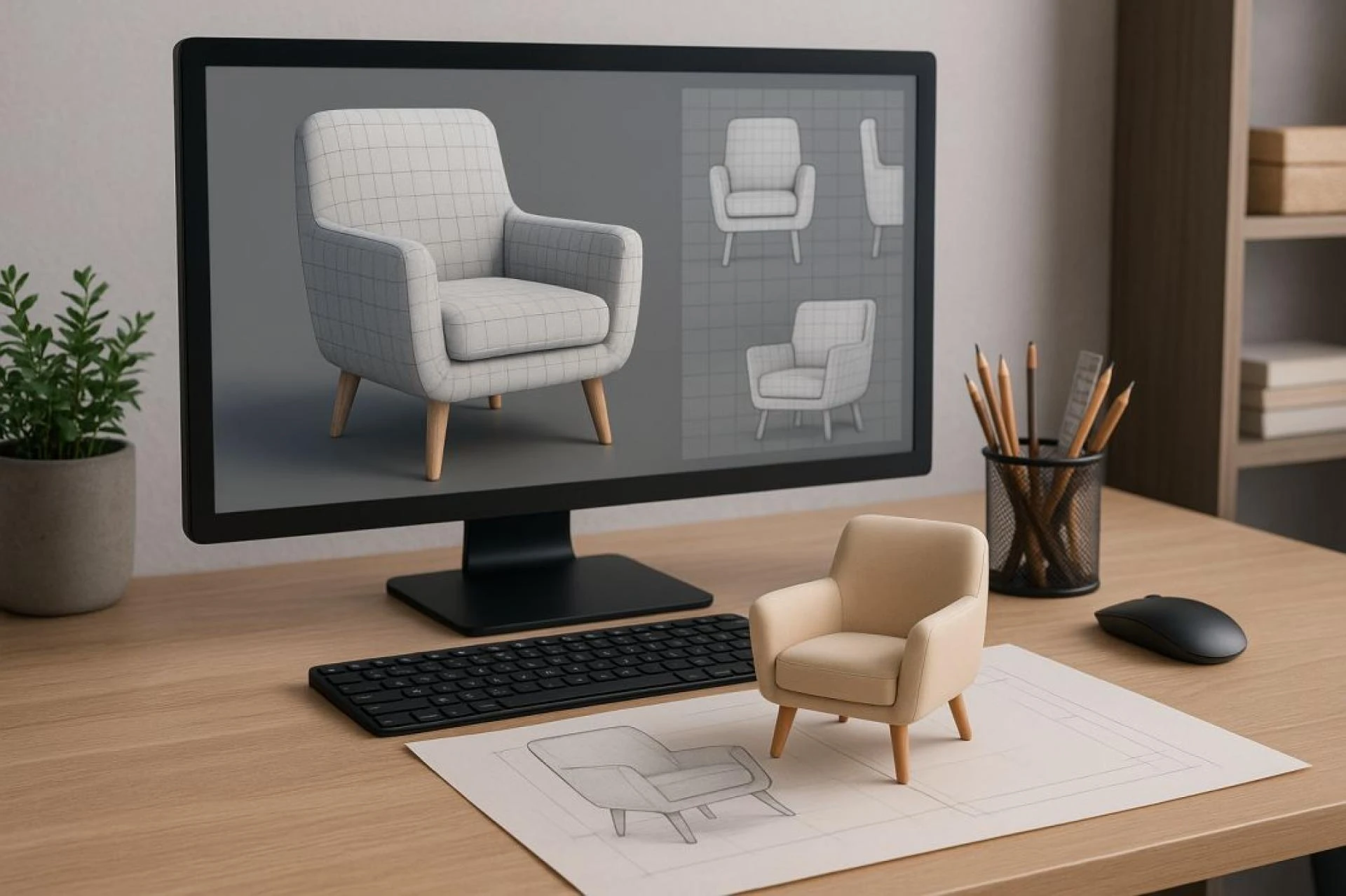
Once the concept is approved, the designer begins creating the base model. This stage focuses on shape, scale, and structure. The object or environment is built in three dimensions using professional modelling tools.
At this point, the design may look simple, but it establishes the foundation. In landscape digital art projects, this includes terrain shaping, elevation design, rocks, vegetation placement, and environmental layout.
Clients can usually review early previews to confirm proportions before moving forward.
Step 3: Adding Textures, Materials, and Details
After the structure is complete, the designer applies textures and materials. This step brings realism to the model. Surfaces gain color, reflection, roughness, and depth.
For example, stone paths, grass surfaces, water reflections, or metallic finishes are added during this phase. Lighting also plays a major role, especially in landscape digital art, where atmosphere and mood define the final impact.
This stage transforms a basic model into a visually engaging experience.
Step 4: Lighting, Rendering, and Optimization
Lighting determines how realistic the model appears. Designers adjust light angles, shadows, and environmental effects to create depth and emotion.
Once lighting is finalized, the model is rendered into high-quality images, animations, or real-time files. Depending on usage, the output may be optimized for websites, games, presentations, or digital marketplaces.
This step ensures the design looks professional across all platforms.
Step 5: Review, Feedback, and Revisions
One major advantage of 3D modelling design online is flexibility. Clients can review renders remotely and provide feedback easily.
Designers then apply revisions based on comments. This collaborative loop continues until the final version meets expectations. The process remains transparent, efficient, and client-friendly.
Where Digital Marketplaces Fit In
Creative platforms like DIGT.ART Marketplace play an important role in modern 3D design workflows. Instead of hiring from multiple sources, creators can explore ready-made assets, environment packs, and artistic models in one place.
DIGT.ART Marketplace allows designers, developers, and artists to access high-quality 3D assets, including landscape digital art resources, that speed up production and maintain creative consistency.
For freelancers and studios alike, marketplaces reduce workload while expanding creative possibilities.
Why Online 3D Modelling Continues to Grow
Online 3D modelling thrives because it combines creativity with convenience. It removes geographic limits, shortens timelines, and makes advanced design accessible to startups, artists, and global brands.
From product visualization to immersive landscape digital art, businesses now rely on 3D modelling design online to communicate ideas clearly and attract attention in competitive digital spaces.
As technology evolves, online 3D modelling will continue to shape how digital creativity is built, shared, and experienced.






Sign in to leave a comment.