

A happy pet brings joy, play, and warm hugs. Yet sneezes, itchy skin, red eyes, or cough can spoil the fun. Pets face allergy trouble just like people do. Dust, food, grass, or mold can spark a bad reaction. The tricky part lies in finding the real cause. Guesswork often leads to wrong fixes and wasted time. Vets now use pet allergy testing to solve this puzzle. Tests point out hidden triggers inside a home. Once owners know the cause, care gets easy, and pets feel better fast.
Below is a clear look at how allergy testing works and why it helps uncover hidden problems around the house.
Why Do Pets Get Allergies in the First Place?
Pets live close to floors, carpets, and yards. All sorts of tiny things touch their skin and nose each day. Some of those things act like troublemakers. Common triggers include:
Dust and Mites
Dust hides in rugs, beds, and couches. Tiny mites live inside dust and feed on skin flakes. A pet may breathe them in or roll on them. This contact can cause itch, rash, or sneeze. Allergy tests help confirm if dust mites cause the mess.
Pollen from Grass and Plants
Grass, weeds, and flowers release pollen. Pollen sticks to fur during walks or play. Once inside the house, it spreads to the floors and sofas. A pet who reacts to pollen may lick paws or scratch ears. Testing helps spot which plant pollen leads to the problem.
Certain Foods
Chicken, beef, dairy, or grain may upset a pet’s body. Food allergy signs include skin bumps, ear trouble, or stomach pain. Tests guide vets toward the right diet plan.
How Does Pet Allergy Testing Work?
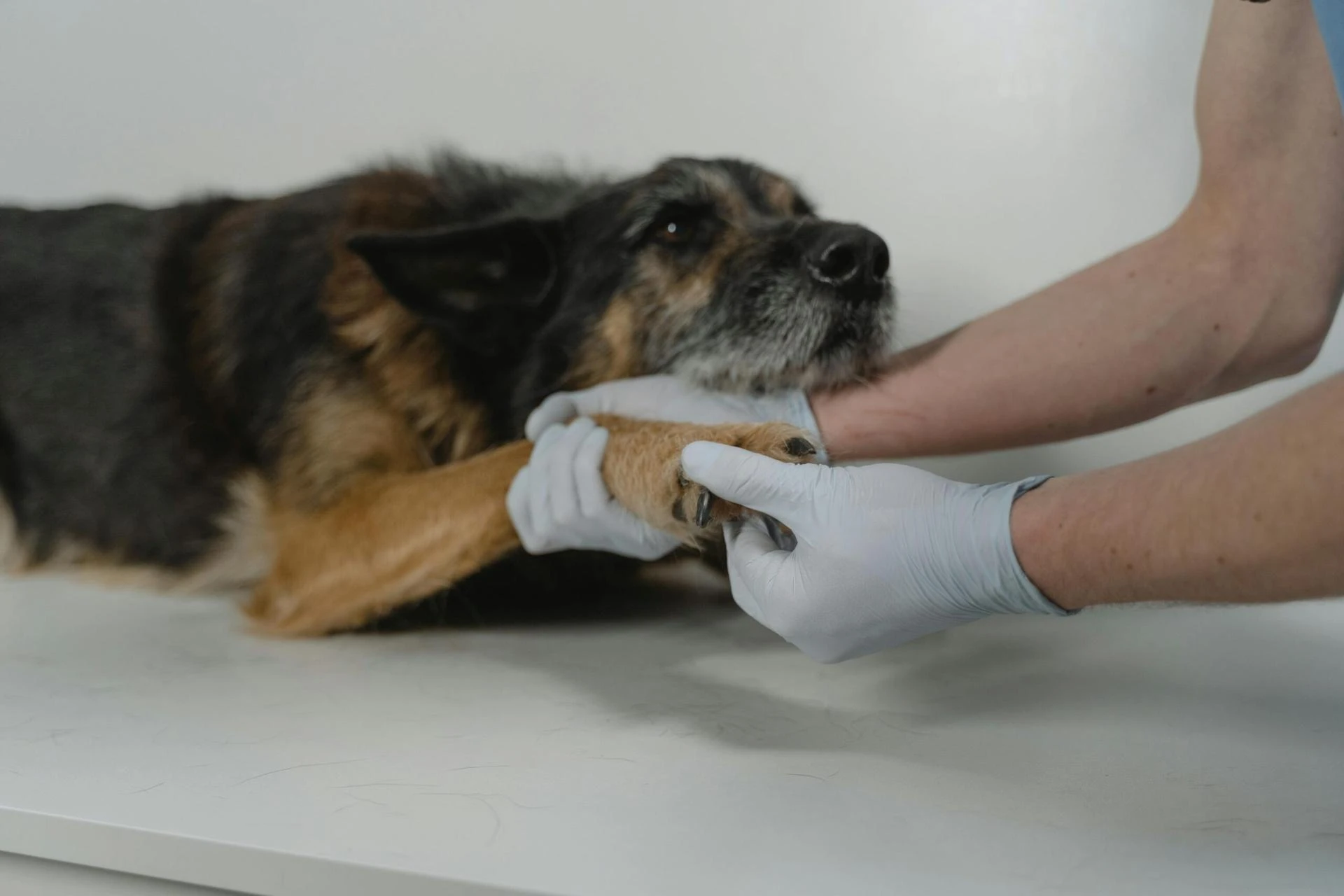
Tests help vets read a pet’s immune response. Each test looks for a trigger that sparks the reaction. Here are the key steps used during pet allergy testing:
Skin Testing
A vet places small drops of common allergens on a pet’s skin. Then a tiny prick lets the allergen touch the body. Red spots show which trigger causes trouble. Skin tests often give clear results fast.
Blood Testing
Blood tests check immune signals in the body. A lab studies the sample and looks for reactions to dust, mold, food, or pollen. Blood tests work well for pets who cannot handle skin testing.
Review of Home Environment
A vet also asks about daily life. Sleep spots, play areas, food bowls, and yard time all matter. This chat helps link symptoms with home triggers.
How Does Testing Reveal Hidden Triggers at Home?
Allergy triggers love to hide in plain sight. A home may look clean yet still hold irritants. Testing helps uncover those sneaky culprits.
Pinpoints the Exact Source
Owners may suspect food, while dust causes the itch. Tests remove the guesswork. Clear answers guide the right fix.
Connects Symptoms with Environment
A pet may itch after time in the yard. Testing may show grass pollen as the cause. Owners then limit contact or clean paws after walks.
Helps Remove Triggers from the House
Once the trigger appears, owners can act fast. Wash bedding, vacuum rugs, switch food, or clean air filters. Each step lowers the allergen load in the home.
Improves Care Plans
Vets build a treatment plan after results come in. Plans may include diet change, medicine, or allergy shots.
Role of Home Pet Care Support
Care at home plays a big role in allergy control. Daily routines affect exposure to triggers. Support from In-home pet care services in Topeka, KS, helps maintain a clean and safe space for pets with allergies.
Regular Cleaning Routines
Pet sitters can wash bedding, wipe paws, and keep sleep areas tidy. Clean spaces reduce dust, pollen, and mold.
Close Monitoring of Symptoms
Caregivers watch for signs like scratching, licking, or ear shaking. Quick notice helps owners and vets act early.
Support During Treatment
Pets on allergy plans may need special food or medicine. In-home pet care services in Topeka, KS, help keep routines steady. Consistent care helps healing move along.
Why Early Testing Matters?
Waiting too long can make allergies worse. Skin damage, hair loss, and ear infections may follow. Benefits of early pet allergy testing include:
Faster Relief for Pets: Once the trigger shows up, treatment starts soon. Pets stop scratching and sleep better.
Lower Risk of Chronic Issues: Long-term allergies may harm skin or immune health. Early action protects overall wellness.
Better Quality of Life: Pets feel calm and playful again once the itch fades. Owners enjoy peace of mind as well.
Reliable care from In-home pet care services in Topeka, KS, also helps manage daily routines during treatment.
Final Thought
Pet allergies may feel like a mystery at first. Sneezing, itching, and red skin often point toward hidden triggers inside a home. Smart testing removes the guesswork and reveals the true cause. With help from pet allergy testing, owners learn what bothers their pets and how to fix it. Clean spaces, proper food, and good care all play a role. Combine testing with steady support from In-home pet care services in Topeka, KS, and pets gain a calm, comfy life once again. A little insight goes a long way toward wagging tails and happy days.






























Sign in to leave a comment.