How Does Play-Based Learning Help Children Develop Essential Life Skills?


Play is one of the most natural ways young children learn about themselves and the world around them. Whether they are building with blocks, participating in pretend play, exploring outdoor environments or sharing toys with friends, everyday activities provide valuable opportunities to develop skills that support their future growth. These experiences help children become more confident, independent, creative and comfortable interacting with others.
Play-based learning is an important part of early childhood education because it combines enjoyment with meaningful learning opportunities. Rather than relying only on structured activities, children are encouraged to explore, make decisions, solve problems and learn through practical experiences. With appropriate guidance from educators, these activities can support social, emotional, physical and cognitive development.
Understanding Play-Based Learning in Early Childhood
Play-based learning is an educational approach that allows children to develop knowledge and skills through activities that interest and engage them. It gives children opportunities to experiment, ask questions, use their imagination and discover different ways of completing tasks.
For example, building a tower with blocks can introduce basic mathematical concepts, spatial awareness and problem-solving. Playing with other children can encourage communication, cooperation and patience. Similarly, creative activities such as drawing, painting and storytelling support imagination and language development.
At First Idea Family Day Care, educational experiences are planned around children's individual interests, abilities and developmental needs. Guided by the Early Years Learning Framework (EYLF), educators provide opportunities for children to explore their surroundings, participate in meaningful activities and develop at their own pace.
1. Developing Social Skills Through Group Activities
Learning how to interact with others is an essential part of growing up. Play provides children with regular opportunities to communicate, cooperate and build positive relationships with their peers.
Activities such as group games, pretend play, puzzles and shared construction encourage children to work together towards a common goal. During these experiences, children begin to understand the importance of taking turns, listening to others, sharing resources and respecting different opinions.
For instance, when children build something together using blocks, they may need to discuss their ideas, decide which materials to use and work through disagreements. These simple interactions help them understand cooperation and develop respectful relationships.
Small-group learning environments can provide valuable opportunities for these interactions, allowing educators to observe children's needs and offer guidance when required.
2. Building Confidence and Independence
Independence develops gradually as children become comfortable making choices and completing everyday tasks. Play-based activities allow them to practise these abilities in a supportive environment.
Simple experiences such as choosing an activity, arranging toys, completing a puzzle or helping pack away resources encourage children to take responsibility for their actions. When they successfully complete a task, they gain confidence in their abilities and become more willing to try unfamiliar activities.
Educators can support this development by allowing children enough time to explore and attempt tasks independently rather than immediately providing solutions.
For example, a child who is learning to complete a puzzle may initially find it challenging to identify where each piece belongs. With encouragement and opportunities to experiment, they gradually develop confidence, patience and a sense of achievement.
These everyday experiences help establish a foundation for greater independence as children grow.
3. Strengthening Problem-Solving and Critical Thinking
Children regularly encounter small challenges during play. They might struggle to balance blocks, work out how to complete a matching game or discover why a particular activity is not producing the expected result.
These situations encourage them to observe, experiment, think creatively and consider alternative solutions.
Construction activities, sorting games, water play and simple science-based experiences can all introduce opportunities for problem-solving. Children learn to make predictions, test their ideas and understand the results of their actions.
Educators play an important role by asking open-ended questions such as, "What could you try next?" or "How might we make this work?" These conversations encourage children to think independently instead of simply following instructions.
Over time, these experiences support curiosity, logical thinking and the confidence to approach unfamiliar challenges.
4. Encouraging Emotional Awareness and Self-Regulation
Understanding emotions is another important life skill developed during early childhood. Through play and everyday interactions, children begin to recognise feelings such as happiness, frustration, excitement, disappointment and sadness.
For example, a child may feel disappointed when another child chooses a toy they wanted. With gentle support, they can learn to express their feelings, communicate their needs and understand that other children also have feelings and preferences.
Pretend play can also help children explore different situations and understand the perspectives of others. Acting out familiar experiences, such as visiting a shop or caring for a doll, gives them opportunities to practise empathy and emotional expression.
Consistent and supportive relationships with educators help children feel safe when experiencing unfamiliar emotions. Over time, they can develop better self-awareness, patience and strategies for managing challenging situations.
5. Improving Communication and Language Skills
Communication develops through everyday conversations, storytelling, songs, games and interactions with others. Play-based learning creates natural opportunities for children to listen, understand instructions, express ideas and expand their vocabulary.
During pretend play, children may take on different roles, create conversations and describe what they are doing. Storytelling activities encourage them to organise their thoughts, remember events and communicate ideas in their own words.
Educators can further support language development by introducing new vocabulary, asking questions and encouraging children to share their observations.
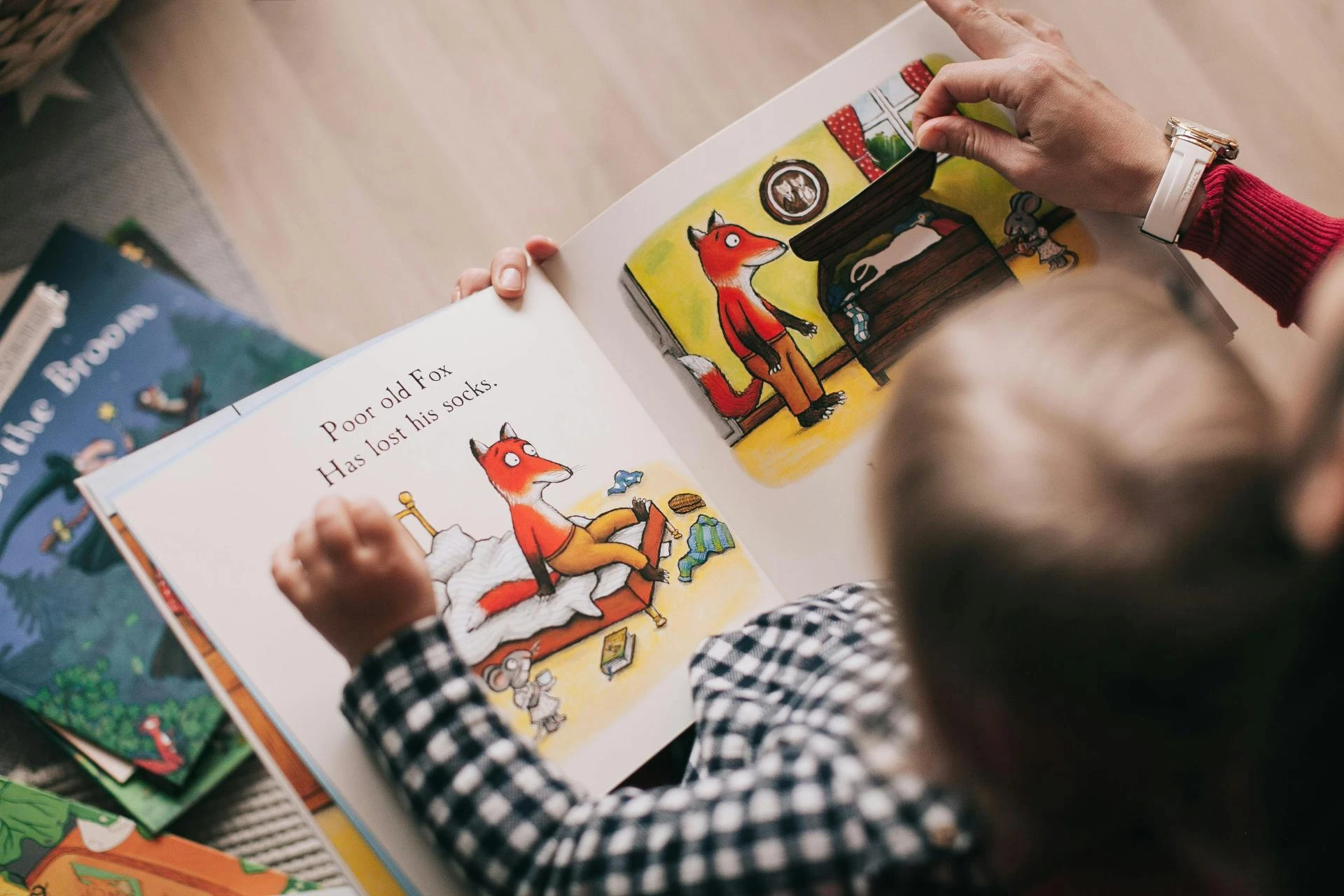
Reading picture books, singing rhymes and participating in group discussions also help develop listening skills and early literacy awareness.
These experiences gradually build the communication abilities children need to express themselves confidently at home, in educational settings and within their wider community.
6. Supporting Creativity and Imagination
Creative thinking allows children to explore possibilities and express their ideas in different ways. Activities such as painting, drawing, music, role-play and imaginative storytelling provide opportunities to experiment without always needing a specific outcome.
For instance, children might use everyday materials to create their own artwork or transform a simple play area into an imaginary shop, kitchen or community space.
These experiences encourage original thinking, decision-making and self-expression. They also help children understand that there can be several ways to approach a task.
A supportive learning environment gives children the freedom to explore their interests while receiving encouragement from educators. This balance helps nurture curiosity and a positive attitude towards learning.
7. Developing Physical Coordination and Healthy Habits
Physical development is closely connected to children's ability to participate in everyday activities. Play provides opportunities to strengthen both fine and gross motor skills.
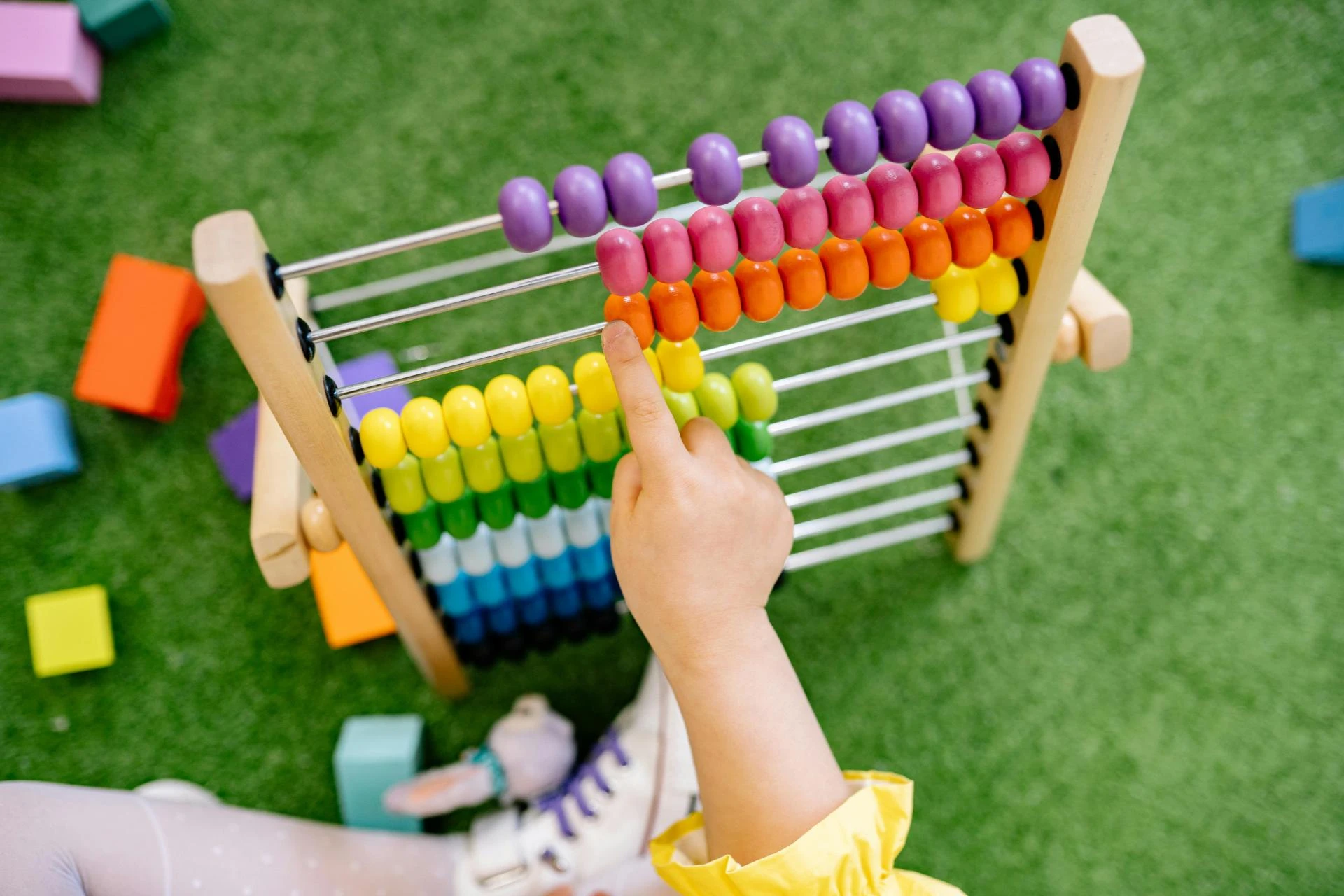
Fine motor activities include drawing, threading beads, handling building blocks, using playdough and completing simple craft projects. These activities help children improve hand control and coordination.
Gross motor experiences such as running, jumping, balancing, dancing and outdoor games support body awareness, balance and physical coordination.
Everyday routines also introduce important self-care habits. Activities such as washing hands, packing away toys, eating independently and following simple hygiene practices help children understand personal responsibility.
A balanced combination of indoor and outdoor experiences allows children to develop physical abilities while enjoying opportunities for exploration and movement.
8. Learning Patience, Resilience and Responsibility
Not every activity produces an immediate result. Sometimes children need several attempts to complete a task, wait for their turn or adjust their approach when something does not work.
These experiences help them understand patience and persistence.
For example, completing a challenging construction activity may require children to try different arrangements before finding one that works. Instead of viewing mistakes as failures, they gradually learn that trying again is part of the learning process.
Shared activities also introduce responsibility. Children can practise looking after resources, following simple instructions and helping maintain their learning environment.
Positive encouragement from educators helps children recognise their efforts and understand the value of perseverance.
The Role of Educators in Meaningful Play-Based Learning
Although children lead many play experiences, educators have an important role in making these opportunities meaningful. They observe children's interests, identify developmental needs and introduce activities that encourage further exploration.
At First Idea Family Day Care, educational experiences are guided by children's individual strengths, interests and abilities. Educators use observations and interactions to plan activities that support each child's development.
The Early Years Learning Framework provides guidance across five important learning outcomes:
- Identity: Developing confidence, independence and a sense of belonging.
- Community: Learning to build relationships and interact respectfully with others.
- Wellbeing: Supporting physical health, emotional development and self-regulation.
- Learning: Encouraging curiosity, creativity, persistence and problem-solving.
- Communication: Developing language, listening and self-expression.
Working collaboratively with families also helps educators understand children's experiences, cultural backgrounds and individual interests. This creates greater consistency between home and the learning environment.
Creating Positive Early Learning Experiences Through Family Day Care
A nurturing environment can make a meaningful difference to how children approach play and learning. Family day care provides an opportunity for children to experience early education in a home-based setting with small groups and consistent educator relationships.
Families exploring kids early learning Lyndhurst can consider how everyday play experiences support children's communication, independence, creativity and social development.
First Idea Family Day Care focuses on creating welcoming learning environments where children can explore, participate in age-appropriate activities and build meaningful relationships.
Families can also explore the family day care Lyndhurst option to learn more about the local care environment and available early learning opportunities.
For families in surrounding communities, First Idea Family Day Care also provides local care options, including family day care Dandenong, family day care Clyde and family day care Cranbourne.
Each child's learning journey is different. Providing opportunities that recognise individual interests, abilities and developmental stages helps children feel valued and supported.
Conclusion
Play-based learning is much more than an enjoyable part of childhood. It provides practical opportunities for children to develop essential life skills, including communication, independence, problem-solving, emotional awareness, creativity and cooperation.
Through meaningful activities, supportive educator relationships and opportunities to explore at their own pace, children gradually develop the confidence and abilities needed for everyday life.
At First Idea Family Day Care, play and exploration are important parts of creating positive early learning experiences that support each child's overall development and help establish a strong foundation for lifelong learning.




Sign in to leave a comment.