How Does Professional Teeth Whitening Work?


Tooth discolouration is a common concern that can develop gradually over time. Coffee, tea, red wine, tobacco, certain foods, and natural ageing can all affect the appearance of tooth enamel. Although brushing and regular dental cleanings help maintain oral hygiene, they may not remove every type of stain. Professional teeth whitening offers an option for people who want to reduce discolouration and improve the appearance of their smiles.
Understanding how whitening works, what causes stains, and what to expect from treatment can help patients make informed decisions about their dental care.
What Causes Teeth to Become Discoloured?
Teeth can become stained for several reasons, and the type of discolouration often influences which treatment may be suitable.
External stains develop on the surface of the teeth. Dark-coloured foods and drinks, including coffee, tea, and certain sauces, can gradually leave pigments on enamel. Tobacco use can also contribute to noticeable surface staining.
Internal discolouration develops within the tooth structure. It may be associated with ageing, certain medications, dental trauma, or changes in the tooth's development. These stains may be more difficult to address with ordinary brushing or whitening products.
A dental assessment can help identify the likely cause of discolouration and determine whether professional whitening is an appropriate option.
How Does Professional Teeth Whitening Work?
Professional teeth whitening generally uses a bleaching agent to lighten stains and discolouration. Depending on the treatment approach, the whitening product may contain hydrogen peroxide or carbamide peroxide. These ingredients help break down stain compounds within the tooth structure, making the teeth appear lighter.
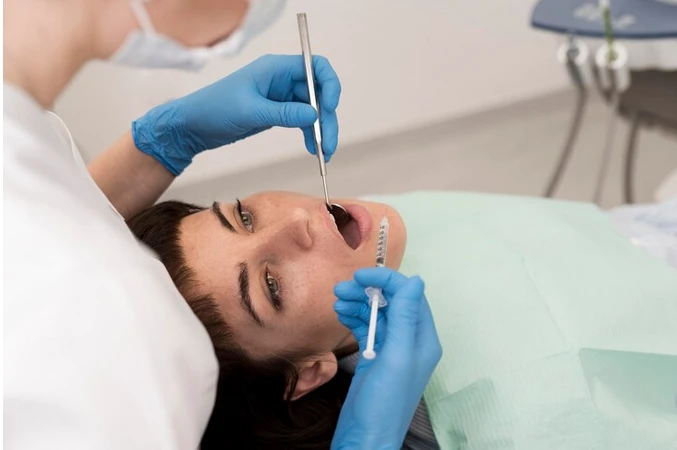
Before treatment, the dentist examines the teeth and gums to check for concerns such as cavities, gum inflammation, cracks, or existing restorations. These issues may need attention before whitening is considered.
The whitening process and the expected results can vary depending on the original shade of the teeth, the type of staining, and the treatment method used. Patients should also understand that crowns, veneers, fillings, and other restorations do not respond to whitening agents in the same way as natural teeth.
Is Professional Whitening Different From Store-Bought Products?
Over-the-counter whitening products are widely available and include whitening strips, gels, toothpastes, and trays. Some may help reduce certain surface stains, but their results can vary depending on the product and how consistently it is used.
Professional whitening involves an assessment of the patient's oral health and guidance on the appropriate treatment approach. This can be particularly helpful for people with sensitive teeth, existing dental restorations, or uneven discolouration.
Another important consideration is product use. Applying whitening products too frequently or using them incorrectly may contribute to tooth sensitivity or gum irritation. Professional guidance helps patients understand the treatment process and how to follow recommended instructions.
Who May Be a Suitable Candidate for Teeth Whitening?
Professional whitening may be suitable for adults who have healthy teeth and gums and want to address certain types of discolouration. However, it is not appropriate for every patient.
People with untreated cavities, gum disease, exposed tooth roots, or significant tooth sensitivity may need an examination and treatment before considering whitening. The procedure may also have limited results on certain internal stains and does not change the colour of existing crowns, veneers, or fillings.
A consultation helps determine whether whitening is likely to produce the desired result. The dentist can also discuss alternative cosmetic options when whitening alone may not address the concern.
Choosing a Teeth Whitening Provider
Selecting a dental provider is an important part of planning cosmetic treatment. Patients should consider whether the practice evaluates oral health before recommending whitening, explains possible side effects, and provides guidance on maintaining the results.
When choosing a dental office in Vienna patients can rely on, it is important to discuss the cause of tooth discoloration and the suitability of professional whitening.
Patients considering teeth whitening in Vienna can also ask about the treatment process, expected results, possible sensitivity, and whether existing dental restorations may affect the final appearance. Having these details explained beforehand can help set realistic expectations.
How Can You Maintain Your Whitening Results?
The longevity of whitening results depends on individual habits, diet, and oral hygiene. Some lifestyle changes can help reduce the return of surface stains.
- Brush twice daily with fluoride toothpaste and use a soft-bristled toothbrush.
- Clean between the teeth regularly to remove plaque and food debris.
- Limit frequent exposure to stain-causing drinks such as coffee and tea.
- Rinse with water after consuming foods or beverages that may stain teeth.
- Attend routine dental appointments for examinations and professional cleaning.
Patients should also follow the dentist's recommendations about touch-up treatments rather than repeatedly using whitening products without guidance.
Is Professional Teeth Whitening Worth Considering?
Professional teeth whitening can help reduce certain types of discolouration and improve the appearance of natural teeth. However, results depend on the cause of staining, the condition of the teeth, and the treatment approach. It is important to have realistic expectations and understand that whitening does not change the colour of dental restorations.
A dental consultation can help determine whether whitening is suitable and whether another treatment may better address the patient's concerns.
Book an appointment with Tebay & Associates to discuss your teeth whitening goals and receive guidance on suitable options for your smile.




Sign in to leave a comment.