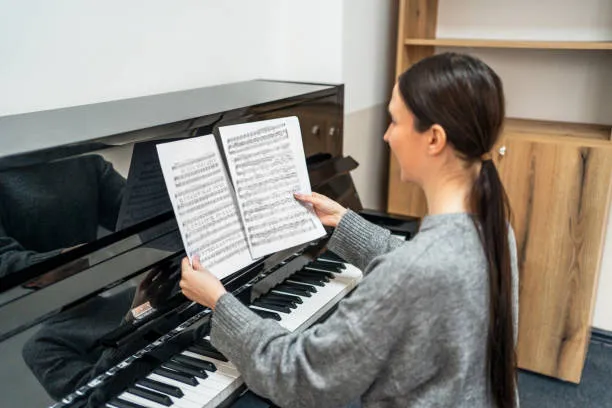

Learning to play piano involves much more than memorizing individual pieces. Strong musicians need to recognize notes, understand rhythm, coordinate both hands, and respond naturally to unfamiliar music. One of the most valuable abilities for developing these skills is sight reading piano practice. Instead of relying on repeated memorization, learners train themselves to interpret written music and translate it into accurate keyboard movements. This approach can make practice more purposeful while building confidence with new compositions.
For beginners, reading unfamiliar music may initially feel overwhelming because several elements must be processed at once. Players need to identify notes, follow rhythm patterns, observe musical markings, and maintain appropriate timing. With regular practice, these tasks become increasingly familiar. A structured digital learning environment can make this process more engaging by giving learners continuous access to new material and allowing them to receive feedback while they play.
Why Reading Unfamiliar Music Matters
Memorizing a piece can help a student perform it successfully, but memorization alone does not necessarily improve the ability to read new music. A learner might become comfortable with a familiar composition while still struggling when presented with something completely different. Sight reading addresses this gap by encouraging musicians to work with material they have not previously practiced.
Encountering unfamiliar passages teaches students to recognize musical patterns more quickly. Instead of focusing on every individual note, experienced readers begin identifying groups, intervals, chords, and rhythmic structures. This allows them to process written information more efficiently and maintain a smoother performance.
Regular exposure to fresh compositions also encourages adaptability. Learners become less dependent on repetition and more comfortable responding to unexpected passages. Over time, this can make playing unfamiliar music feel less stressful and more natural.
How Immediate Feedback Improves Practice
Independent learners often face a simple problem: they may not know exactly when they make an error. If an incorrect note or rhythm is repeated several times, it can become part of the player's habits. Correcting such mistakes later may require additional effort.
Immediate feedback can make practice more responsive. When learners receive information about their performance as they play, they can recognize errors sooner and adjust their technique. This creates a useful connection between action and correction.
Feedback is particularly valuable when developing reading skills because accuracy and timing need to work together. A student should not only identify the correct notes but also learn to maintain a steady musical flow. Consistent feedback can encourage learners to pay attention to both elements instead of concentrating exclusively on individual mistakes.

Can Continuous New Music Maintain Motivation?
One reason learners lose interest in piano practice is repetition without meaningful variety. Repeating the same exercises can be useful for technique, but constantly playing familiar material may eventually feel predictable. Introducing new music can provide a stronger sense of challenge and progress.
A digital practice environment can offer a steady stream of unfamiliar musical material. Each new piece presents different combinations of notes, rhythms, intervals, and patterns. Learners can therefore apply their existing skills in fresh situations rather than depending entirely on memory.
Variety can also create a stronger sense of achievement. Successfully reading a new passage gives students evidence that their abilities are improving. Even when a composition presents difficulties, working through it can strengthen patience, concentration, and musical awareness.
How Regular Practice Develops Musical Confidence
Confidence does not usually appear after a single successful session. It develops gradually through repeated experiences of solving musical challenges. When students regularly encounter unfamiliar pieces and learn how to approach them, they become less anxious about making mistakes.
Short, consistent sessions can be especially helpful. Instead of waiting for a large block of free time, learners can practice reading for a manageable period and gradually increase the difficulty. This creates a sustainable routine without making piano education feel like an overwhelming obligation.
Regular practice also improves coordination between visual information and physical movement. The eyes read the notes while the hands respond on the keyboard. As this relationship becomes more efficient, players can devote more attention to rhythm, expression, and musical interpretation.
Why Digital Learning Can Support Modern Piano Education
Technology has introduced flexible ways to supplement traditional musical instruction. Learners can practice from home, access new material, and work through exercises according to their own schedules. This is useful for students who may not have the opportunity to attend frequent in-person lessons.
Digital tools can also complement teachers rather than replace them. An instructor can provide guidance on technique and musical interpretation, while independent digital practice gives students additional opportunities to apply those lessons. This combination can create a balanced learning experience.
For self-directed musicians, technology offers another practical advantage: accessibility. A learner can begin a practice session without spending considerable time searching for suitable material. Having a clear practice environment makes it easier to focus on the actual musical task.
Conclusion
Developing the ability to read unfamiliar music can transform the way students approach piano practice. Instead of depending primarily on memorization, learners can build stronger note recognition, rhythm awareness, coordination, concentration, and adaptability. Continuous new material and immediate feedback can make this process more engaging while encouraging regular practice. With patience and consistent effort, sight-reading can become a natural part of playing, giving musicians greater freedom to approach new compositions with confidence.



























Sign in to leave a comment.