

Thumb sucking is a common behavior among infants and young children. For many children, it serves as a natural source of comfort and security, particularly during times of stress, fatigue, or adjustment. While thumb sucking is often considered a normal part of early childhood development, parents may wonder whether the habit can affect their child's teeth and oral health over time.
The impact of thumb sucking largely depends on how often the habit occurs, how intensely a child sucks their thumb, and how long the behavior continues. Understanding the relationship between thumb sucking and dental development can help families make informed decisions and recognize when intervention may be beneficial.
Why Children Suck Their Thumbs
Thumb sucking begins very early in life. Some babies even display sucking behaviors before birth, highlighting how natural and instinctive this reflex can be. For infants, sucking provides comfort and helps them feel secure in unfamiliar situations.
As children grow, thumb sucking may become a self-soothing habit used during moments of anxiety, boredom, or fatigue. Many children naturally outgrow the behavior during their preschool years without any intervention.
Because thumb sucking often provides emotional comfort, parents should approach the habit with patience and understanding. Negative reactions may increase stress and make it more difficult for children to stop.
How Prolonged Thumb Sucking Can Affect Teeth
The potential for dental problems increases when thumb sucking continues for an extended period, particularly after permanent teeth begin to develop. Constant pressure from a thumb can gradually influence tooth positioning and jaw growth.
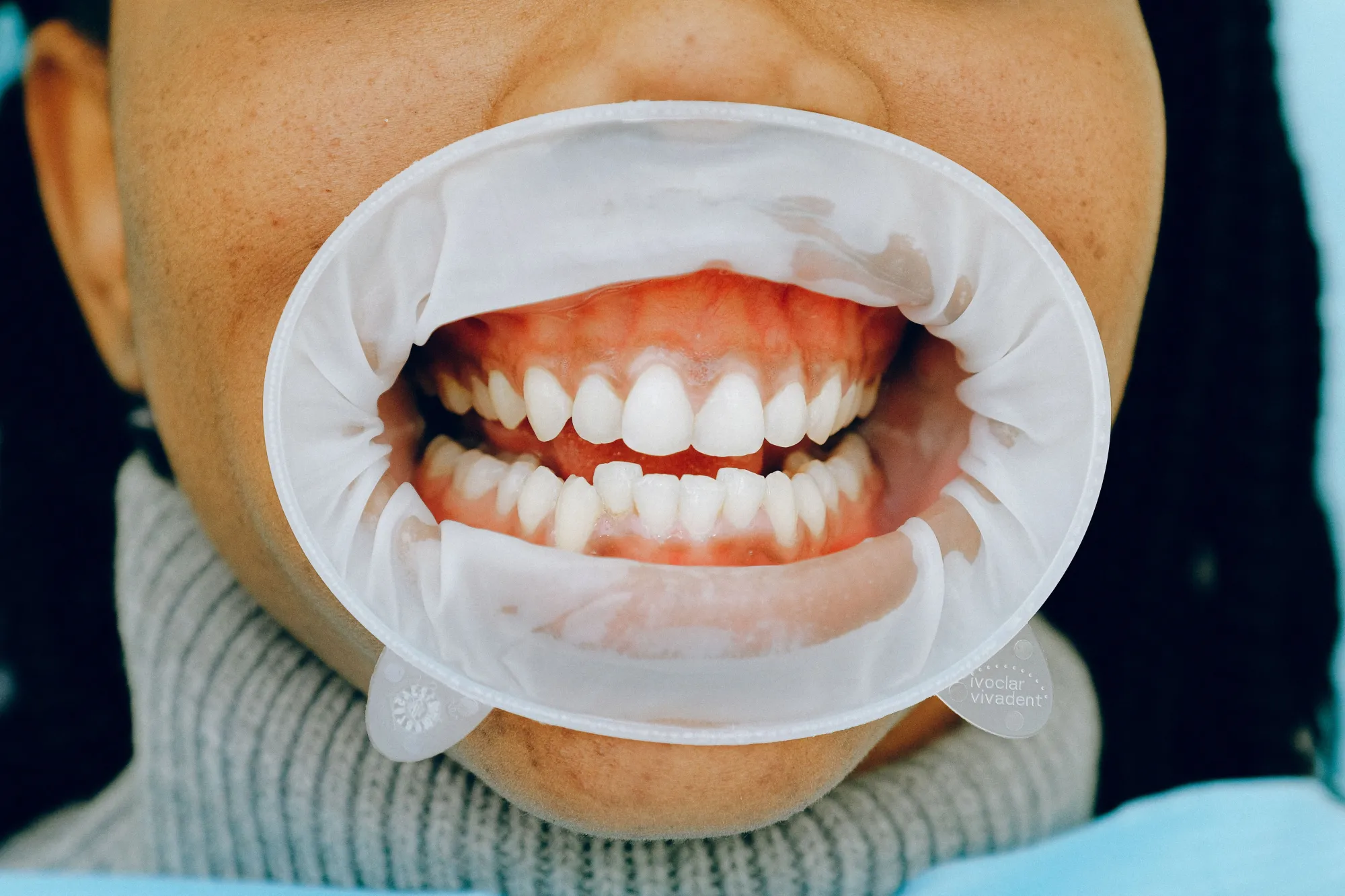
One common concern involves the alignment of the front teeth. Prolonged thumb sucking may cause upper front teeth to move outward while lower front teeth shift inward. This change can create bite issues that affect both appearance and function.
The severity of these effects often depends on the frequency and intensity of the habit. Children who suck their thumbs vigorously for long periods may experience more noticeable changes than those who engage in the behavior occasionally.
Impact on Jaw Development
Thumb sucking can influence more than just tooth alignment. The habit may also affect the way a child's jaw develops over time. Because the mouth and facial structures are growing rapidly during childhood, repetitive pressure can influence their positioning.
In some situations, prolonged thumb sucking contributes to changes in the shape of the upper jaw or palate. These developmental adjustments can affect how the upper and lower teeth fit together when the mouth is closed.
Understanding Open Bite and Overbite Concerns
One frequently discussed consequence of extended thumb sucking is the development of an open bite. An open bite occurs when the upper and lower front teeth do not meet properly when the mouth is closed.
Children with this issue may have difficulty biting into certain foods or may experience changes in speech patterns. Another possible outcome is an increased overbite, where the upper front teeth extend farther forward than normal.
Although not every child who sucks their thumb develops these conditions, the risk increases when the habit persists for several years. Early evaluation can help determine whether any developmental changes warrant further attention.
The Role of Professional Dental Guidance
Regular dental evaluations provide valuable opportunities to monitor the effects of thumb sucking on oral development. Dental professionals can assess tooth positioning, jaw growth, and bite alignment while providing recommendations tailored to the child's needs.
Consulting a pediatric dentist in Chula Vista allows families to receive professional guidance regarding thumb sucking habits and any potential developmental concerns. Early assessments can help determine whether intervention is necessary and what strategies may be most effective.
Conclusion
Thumb sucking is a normal and comforting behavior for many young children, particularly during infancy and the early preschool years. In most cases, the habit does not cause significant problems when it fades naturally during the early stages of development. However, prolonged and frequent thumb sucking can influence tooth alignment, jaw growth, and bite development as children get older.
By monitoring the habit, encouraging positive alternatives, and maintaining regular dental visits, parents can help support healthy oral development. Early awareness and professional guidance can make a meaningful difference in protecting a child's smile and ensuring proper dental growth for the future.


























Sign in to leave a comment.