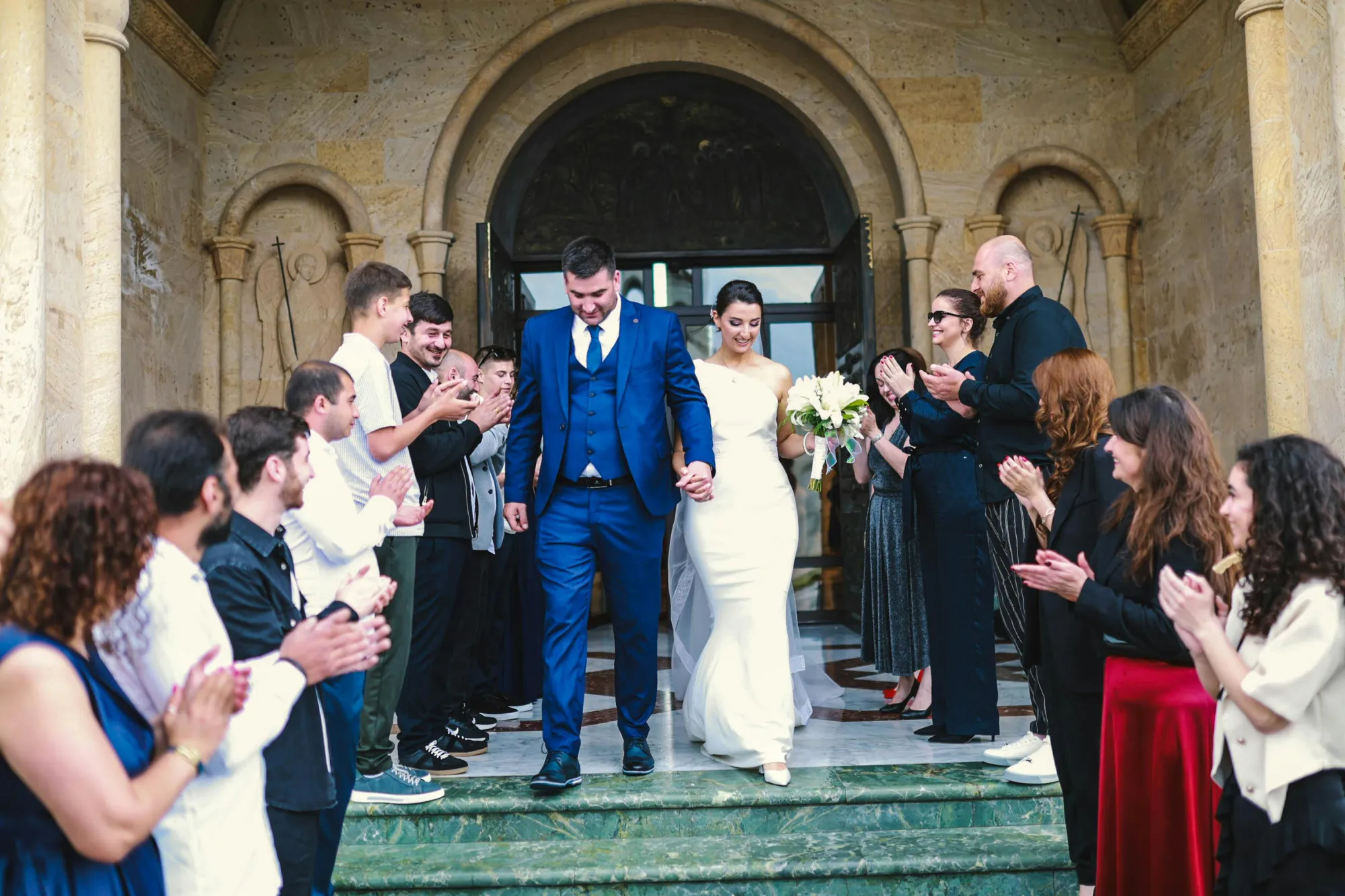

Planning a wedding weekend that unfolds across multiple locations can feel like you are producing a small festival. Between welcome drinks, the ceremony, a reception, and a farewell brunch, each setting brings its own timing, transportation, vendor needs, and guest expectations. The good news is that multi-location weekends are incredibly rewarding when they are designed with intention. They give you more room to host, celebrate, and spend real time with the people you love.
The key is to treat the weekend as one connected experience rather than a series of separate events. When your logistics are tight and your communication is clear, your guests do not experience the behind-the-scenes complexity. They simply feel guided, cared for, and fully present for every moment. Below are practical steps to help you prepare with confidence.
Start With A Weekend Blueprint, Not A List of Events
Before you book every detail, define the story you want the weekend to tell. Think about the pacing. Do you want a high-energy welcome night and a calmer wedding morning, or an easy first evening followed by a big celebration? Identify the emotional arc, then assign each event a clear purpose, such as connection, ceremony, celebration, or closure.
From there, build a master weekend blueprint that includes:
- Each event’s start and end time (plus buffer time for travel)
- The “must happen” moments, like vows, toasts, or a private first look
- The guest experience touchpoints, including arrivals, transitions, and downtime
Many experienced planning teams emphasize that weddings feel most memorable when every detail supports a cohesive guest experience from the first welcome to the final farewell. Put simply, your blueprint should make it easy for guests to know where to be and when, while giving you breathing room for the moments you will remember most.
Choose Locations That Work Together Logistically
Multi-location weekends are easiest when your venues “cooperate.” That does not mean everything must be next door, but it does mean travel time, parking, accessibility, and weather considerations should be realistic.
As you evaluate locations, ask yourself:
- How long will it actually take guests to get from one place to the next at peak traffic times?
- Is there a clear arrival flow at each site (drop-off, check-in, seating, restrooms)?
- Are there noise restrictions, curfews, or rental cutoffs that affect timing?
- Can your design elements translate across spaces without feeling disjointed?
It can also help to plan from the guest’s perspective: arriving in dress shoes, finding signage in the dark, or navigating an unfamiliar property. A planning approach grounded in anticipating needs and managing “every moving part” is especially valuable when multiple sites are involved. Even if you are coordinating yourself, you can borrow that mindset by pressure-testing each transition and looking for friction points before they show up on the weekend.
Build A Real Transportation Plan (And Communicate It Simply)
Transportation is often the make-or-break factor for multi-location weekends. If guests are confused or late, your timeline absorbs the stress. Start by deciding what level of guidance you will provide:
- Fully hosted transport (shuttles or private transfers) for most events
- Hybrid transport (shuttles for key moments, self-drive for optional events)
- Self-drive with clear parking details and generous time buffers
Then build a plan that includes pickup windows, loading times, drive time, and a cushion for delays. If you are using shuttles, create routes that are easy to understand and minimize multiple stops when possible.
This is also a moment where professional support can reduce risk. For example, some couples choose to work with a luxury destination wedding planner when the weekend involves multiple venues, vendor teams, and guest travel, because the value is often in the coordination and calm problem-solving, not in making the event feel “bigger.”
Finally, communicate transportation in plain language. One simple schedule graphic in your welcome email or wedding website can do more than a page of text.
Use A Layered Timeline with Buffers and Backup Decisions
A multi-location weekend needs more than one timeline. Create a layered set of schedules so everyone can succeed:
- Guest-facing timeline: simple, clear, and focused on where to be
- Vendor timeline: detailed load-in, setup, cue times, and strike plan
- Wedding party timeline: hair and makeup, portraits, travel, and touchpoints
- Internal “what if” plan: weather alternatives, late shuttle contingencies, and vendor substitutions
Buffers are not optional. Build them intentionally around:
- Venue changeovers
- Photo travel time
- Seating and pre-ceremony arrivals
- Toast transitions and meal service pacing
Planning teams who prioritize meticulous execution often rely on a straightforward planning timeline to keep couples organized and reduce stress during the lead-up. You can replicate that by setting deadlines for final decisions, vendor confirmations, and walkthroughs, then protecting those buffers like they are part of your design.
Conclusion
A multi-location wedding weekend can be one of the most immersive ways to celebrate, but it asks for structure. When you begin with a clear weekend blueprint, choose venues that support practical movement, and build transportation and timelines that account for real life, you create a calm foundation for everyone involved. Add thoughtful design continuity and simple communication, and your guests will experience the weekend as effortless, welcoming, and memorable.
Ultimately, preparation is not about controlling every moment. It is about making smart decisions early, giving yourself buffers, and creating a plan that lets you be present. When the weekend arrives, you will not be thinking about directions or deadlines. You will be exactly where you should be, celebrating.
































Sign in to leave a comment.