Renting a dumpster may seem like a straightforward task, but understanding the full process—from the initial booking to the final haul-away—can help you save time, avoid extra fees, and ensure a hassle-free experience. Whether you're a homeowner tackling a renovation project or a contractor managing a job site, knowing how dumpster rental services operate is crucial.
Step 1: Choosing the Right Dumpster
The first step in the process is selecting the appropriate dumpster size and type for your project. Dumpster rental services typically offer a range of sizes, usually from 10 to 40 cubic yards. The best size for you depends on the scope and type of debris—household junk, construction waste, roofing materials, or yard debris.
It's important to discuss your project details with a reputable provider to avoid underestimating or overestimating your needs. Overloading a dumpster or ordering one that's too large can result in avoidable costs and complications.
Step 2: Scheduling the Delivery
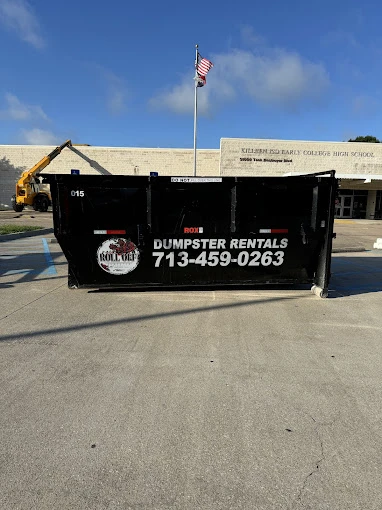
Once you've selected your dumpster, you'll need to schedule a delivery. Most companies offer flexible scheduling, allowing you to choose a day and window that works best for you. Before delivery, ensure the drop-off location is accessible—typically a flat, paved area like a driveway or a designated construction zone.
You don’t need to be present at the time of delivery, but it's wise to mark the desired placement area clearly and remove any obstructions. Professional drivers will place the dumpster with precision using a roll-off truck, minimizing any potential damage to your property.
Step 3: Filling the Dumpster
After the dumpster arrives, you can begin loading your waste. Most rental periods last from 7 to 10 days, but extensions are usually available for an additional fee.
A few tips for efficient loading:
- Break down bulky items to conserve space.
- Distribute weight evenly to avoid tipping.
- Stay below the fill line to prevent overage charges.
Keep in mind that not all materials are allowed in dumpsters. Hazardous waste like batteries, paint, asbestos, and chemicals is typically prohibited. Always ask your provider for a list of restricted items.
Step 4: Scheduling the Pickup
Once you've finished filling your dumpster—or reached your rental limit—contact the company to schedule a pickup. Some companies offer automatic pickup based on your rental period, while others require a call or online request.
During pickup, the same roll-off truck will arrive to retrieve the container. It’s important that the area is clear of vehicles and obstacles so the truck can safely load the dumpster without delays or surcharges.
Step 5: Disposal and Recycling
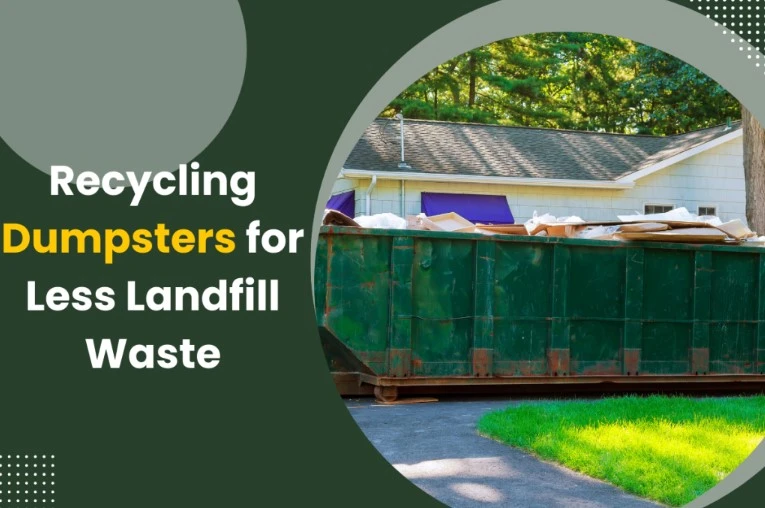
After pickup, your waste is taken to a disposal facility or recycling center. Reputable dumpster rental services make every effort to divert recyclable materials from landfills. Construction debris like wood, metal, and concrete is often sorted and recycled, depending on local regulations and facility capabilities.
Proper disposal practices not only reduce environmental impact but also comply with legal waste management standards—especially critical for commercial or construction projects.
Local Expertise Matters
When searching for a dumpster rental in Round Rock, TX, it’s beneficial to work with a company that understands local regulations, permitting needs, and landfill requirements. Local providers are also more likely to offer responsive support, same-day deliveries, and competitive pricing.
Final Thoughts
The dumpster rental process is designed to be straightforward and efficient, especially when you partner with experienced professionals. From helping you select the right container to ensuring timely pickup, trusted dumpster rental services take the stress out of debris removal. Whether you're cleaning out a garage or managing a commercial construction site, understanding the steps involved helps you plan effectively and avoid costly mistakes.



























Sign in to leave a comment.