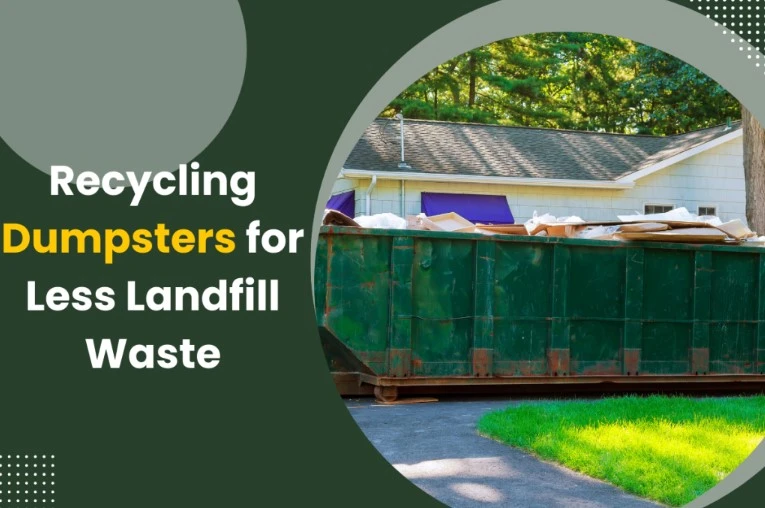
In today’s world, effective waste management is more critical than ever. Overflowing landfills release harmful greenhouse gases and pollutants, contributing to climate change and environmental degradation. One of the most impactful solutions to this crisis is the widespread use of recycling dumpsters. These specialized collection points help divert recyclable materials from landfills, fostering a circular economy and promoting sustainable waste management.
The Growing Landfill Crisis
Landfills are rapidly nearing capacity, creating significant environmental and health hazards. As waste decomposes, it releases methane—a potent greenhouse gas that accelerates global warming. Additionally, leachate, a toxic liquid byproduct of landfill waste, can seep into soil and water sources, endangering ecosystems and human health.
The Role of Recycling Dumpsters in Waste Management
1. Encouraging Sustainable Habits
Recycling dumpsters provide designated spaces for materials like paper, plastic, glass, and metal, making it easier for individuals, businesses, and communities to adopt recycling as a daily habit. Clear labeling and accessibility help reduce contamination and improve recycling efficiency.
2. Reducing Landfill Overflow
By diverting recyclable materials away from landfills, recycling dumpsters help prevent landfill congestion and lower methane emissions, mitigating environmental harm.
3. Promoting a Circular Economy
Collected recyclables are processed into new products, reducing dependence on raw materials. This conserves natural resources, minimizes energy consumption, and lowers the carbon footprint of manufacturing processes.
4. Lowering Waste Management Costs
Recycling dumpsters help cut down on disposal costs by reducing the amount of waste sent to landfills. Businesses, in particular, can save money on waste removal fees while contributing to sustainability efforts.
Implementing Recycling Dumpsters: A Step-by-Step Approach
1. Assess Waste Generation
Conduct a waste audit to determine the volume and types of recyclables produced. This helps in choosing the right dumpster size and placement for maximum efficiency.
2. Educate and Engage Users
Provide clear instructions, signage, and educational materials to encourage proper recycling practices. Hosting workshops or awareness campaigns can further boost participation.
3. Partner with Recycling Services
Collaborate with local recycling centers and dumpster rental services to ensure efficient collection and processing of recyclable materials. Reliable partnerships enhance the effectiveness of recycling programs.
4. Monitor and Optimize Performance
Regularly assess recycling rates and contamination levels. Use this data to make improvements, such as adjusting dumpster locations or enhancing informational signage.
Beyond Waste Reduction: The Broader Benefits of Recycling Dumpsters
Environmental Advantages:
· Lowers greenhouse gas emissions
· Conserves natural resources
· Reduces landfill expansion and habitat destruction
Economic Benefits:
· Creates jobs in recycling and manufacturing sectors
· Cuts waste disposal and landfill fees
· Encourages innovation in sustainable materials
Social Impact:
· Encourages environmental responsibility in communities
· Improves public health by minimizing pollution
· Enhances civic engagement in sustainability effort
Conclusion
Recycling dumpsters are more than just collection bins; they are essential tools for a sustainable future. By integrating recycling dumpsters into daily waste management practices, individuals, businesses, and communities can significantly reduce landfill waste, protect natural resources, and support a cleaner, healthier planet. The time to act is now; let’s make recycling a priority and build a greener tomorrow together.

























Sign in to leave a comment.