Generally, when undertaking a renovation, construction, or clean-up activity, renting a dumpster is one of the crucial points. If you're decluttering your house, remodeling your kitchen, or dealing with construction debris, it has become easier to dispose of large amounts of waste where dump size determines the cost. This determines how efficient your project is or how much it will actually be costing it.
That is why this blog is all about explaining how the right dumpster size affects your project's cost and providing critical insights on what you might need to think of before going ahead with renting a dumpster.
The importance of Dumpster Sizes
Rental charges are just part of the many things that vary in a dumpster: size is perhaps one of the most important factors. Such knowledge about how size determines cost would be necessary in propagating options in avoiding unnecessary costs or overspending on too big a dumpster.
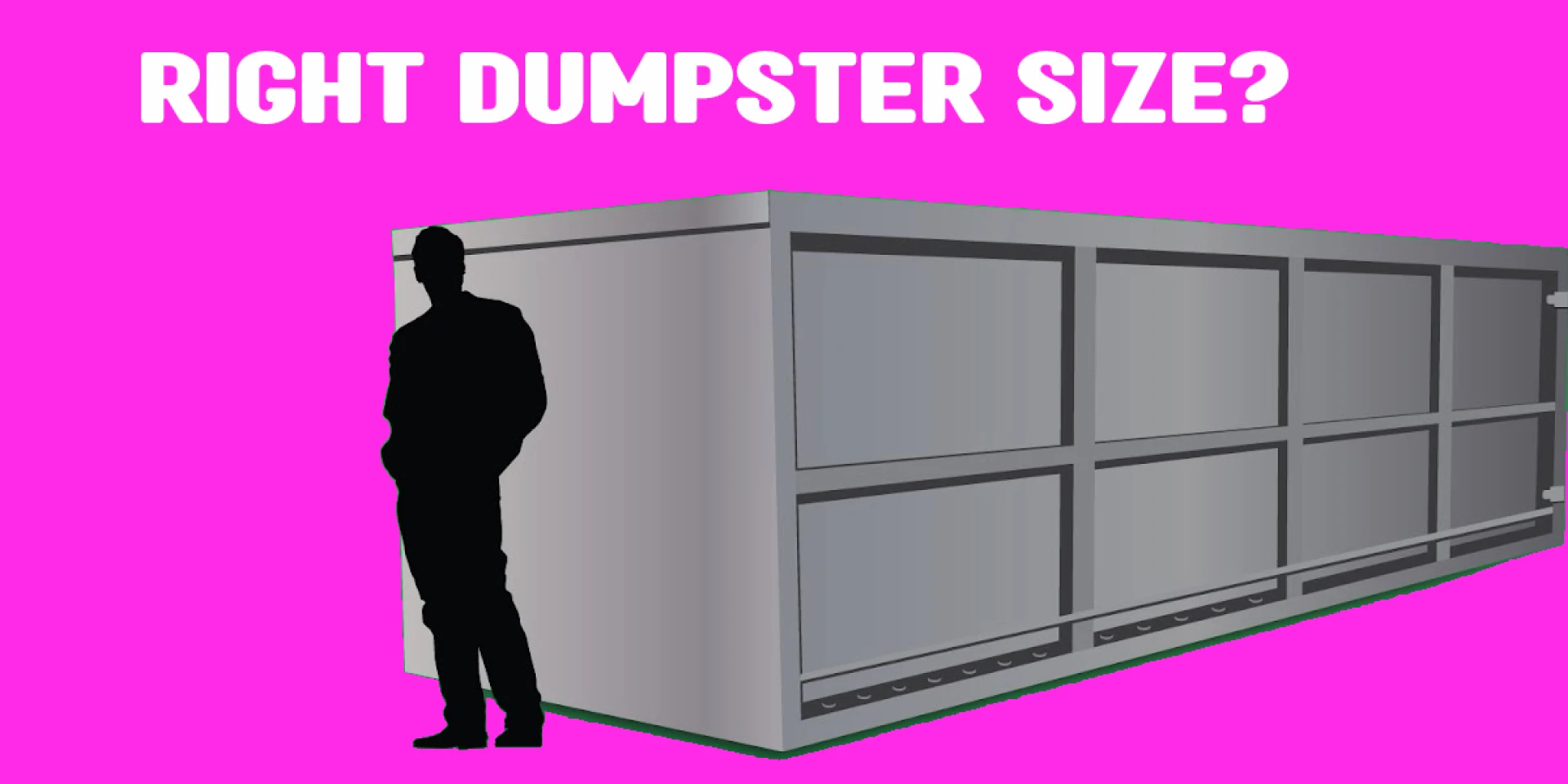
Generally, dumpster sizes refer to volume in cubic yards-the greater the cubic yardage, the more waste a dumpster can take. Sizes fall in the residential category from 10 cubic yards to 40-plus cubic yards for more expansive commercial dumpsters. Here are the most common sizes:
● 10-Yard Dumpster: Small cleanup or minor renovations
● 20-yard dumpster: Average sized projects, like remodel kitchen or clean out basement
● 30-Yard Dumpster: Best for a larger home project or moderate construction debris
● 40-Yard Dumpster: Large-scale construction or renovation projects, such as the entire house demolition waste
Bigger dumpster, the higher the price. However, "biggest" option is not the answer to all questions. A dumpster that is too large might leave rental costs without being filled up entirely. On the other hand, if one ends up hiring a dumpster that is too small, it incurs extra charges when hiring other rooms.
Factors Affecting the Cost of Dumpster Rentals
Apart from size, there are other factors that contribute to the total cost of renting a dumpster. Some of them include:
Rental Period: The length of time for which you will have the dumpster will determine how much it costs. Most rental firms have standard rental periods of 7 days, but an extra charge is made for every day beyond that.
Weight of the Waste: Numerous dumpster rental companies charge based on the weight of the waste. The more waste you have, the higher the scraping fee they will bill you. Go ahead and inquire if there is a weight limit and whether overages apply.
Type of Waste: Certain materials like hazardous waste must be dealt with in a special manner and typically cost more to get rid of. You should always ask what may and may not go into the dumpster to prevent additional charges or even separate plans for disposal.
How To Choose the Size Of Dumpster That Suits Your Needs
The size of the dumpster is dictated by the nature and dimension of the project. We shall take a closer view of some of the very general Dumpster pricing, and other factors to make the best choice on the perfect sizes:
1. Household Renovations (10-20 Yard Dumpsters)
On the average, home renovations like kitchen remodeling or bathroom updating do not require anything bigger than a 10-20 yard dumpster. A small remodel such as a cabinet replacement can fit well into a 10-yard dumpster while bigger renovations, especially with demo work including flooring, drywall, and fixtures, would use up space in a 20-yard dumpster.
Renting a larger dumpster for a home renovation project may seem like a safe option, but be careful. In fact, higher costs are usually associated with larger dumpsters, so in case your project doesn't yield sufficiently high amounts of refuse to fill a larger-sized dumpster, you could end up paying for space which is not needed.
2. Construction and Demolition Projects (30-40 Yard Dumpsters)
If you are considering a major construction, home demolition, or huge clean-outs, then you'll undoubtedly need an extra-large dumpster that would hold bulk quantities of debris. They would do well in jobs like these, a 30- or 40-yard dumpster suitable for lots of construction debris like lumber, drywall, and concrete.
For example, if you are tearing an entire house or "clearing out" a large commercial space, it has room enough for everything in that single rental. Keep in mind, though, that the larger the dumpster, the more expensive it becomes, so be sure your project justifies this size.
3. Little Cleanups and Decluttering (10-Yard Dumpsters)
Usually, if you are just cleaning out the garage, attic, or basement, a 10-yard dumpster should suffice. Most dumpster rental plans will include the option for a 10 cubic yard size, which is just great for general household junk removal, annual cleanup, and small projects. The smaller footprint of this dumpster will also help minimize your rental price.
Cost-Saving Strategies for Renting a Dumpster
While choosing an accurate dumpster size forms a part of the plan, below are a few other tips to save costs.
Assess Waste Volume Accurately: Estimate the waste that may result from a project before hiring a dumpster. If you overestimate how much debris would be produced, it could cost you extra for a dumpster that's too big. On the other hand, underestimating the amount may attract another cost in case of exceeding the weight limit or needing another dumpster.
Avoid Overloading: Most dumpster rental companies may charge more for overloading, and depending on dumpster availability. Overfilled dumpsters may not be towed safely and may require higher cost for removing its contents. So make sure your dumpster is not filled beyond the defined height of fill to avoid charges.
Final Word:
The size of the dumpster is highest in determining the project's cost. Cost-effective projects can be achieved, by partly understanding how the size relates to cost. Assess your project needs; measure expected waste generation potential, and consults with your rental provider for the most appropriate size to consider at the best price possible.
Thus, the right dumpster sizes will most probably lead to a cheaper project, as well as ensure the overall productivity of the project so that waste is moved promptly and responsibly. Hopefully, the blog will help you choose the right Dumpster pick-up.




















Sign in to leave a comment.