
A few months ago, I was walking through a crowded market area on a weekend evening, and almost every public trash bin was overflowing.
Coffee cups were stacked on top of each other because there was no room left inside. Plastic wrappers had already blown halfway across the sidewalk. Someone had started leaving garbage bags beside the bin because people clearly didn’t know what else to do with them. The strange thing is this happens so often now that most people barely react anymore.
But honestly, overflowing waste changes the entire feeling of a place almost immediately. A clean street suddenly feels neglected. Parks stop feeling relaxing. Busy public areas start looking chaotic even when the actual problem began with something as simple as one full garbage bin.
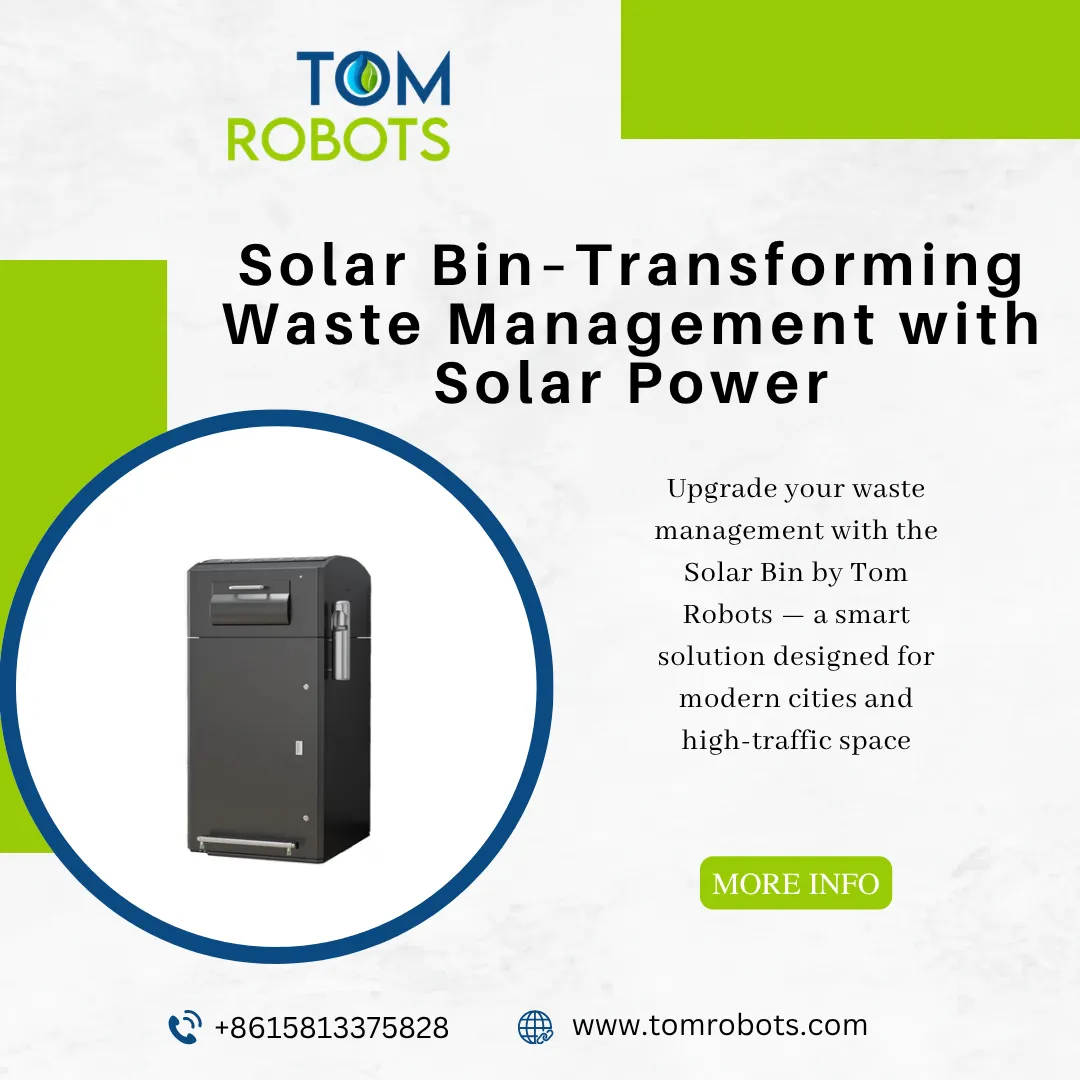
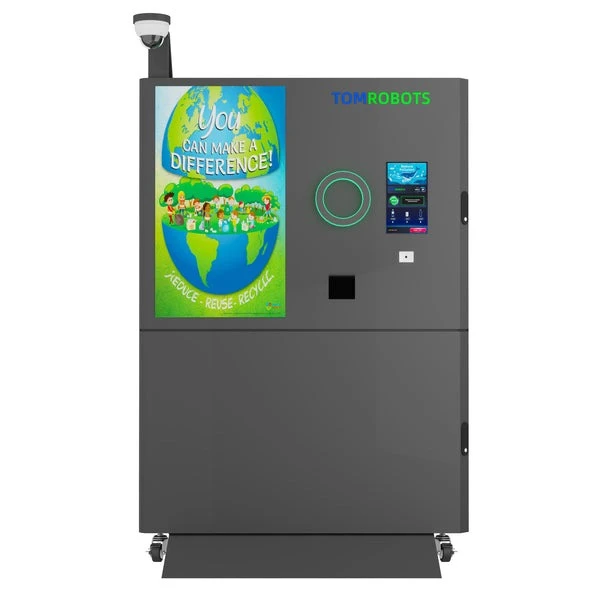
That’s exactly why systems like the Eco Smart garbage compactor are getting more attention in cities now. Not because they look high-tech or futuristic, but because traditional waste bins struggle badly once public traffic gets heavy.
Public Bins Fill Up Faster Than People Realize
Most public trash bins are actually pretty small once you think about how many people use them daily. A few takeaway containers, drink bottles, food packaging, tissues, and shopping receipts — it adds up surprisingly fast. During lunch hours or weekends, bins in busy areas can go from half-empty to completely overloaded within a few hours.
And once the top starts filling, people stop caring where the garbage goes. Someone balances trash on top. Another person leaves waste beside the container. Wind carries lighter plastics away. By evening, the surrounding area looks messy even if sanitation workers cleaned it earlier that same morning. Overflow tends to spread outward quickly once it starts.
Most Trash Takes Up More Space Than Necessary
This is something people don’t really think about much. A huge amount of public waste is mostly air. Empty bottles, food containers, cups, takeaway boxes, and packaging look bulky even though they weigh very little. Traditional bins just store all that loose waste exactly as it falls inside.
Compacting systems work differently because they compress the garbage downward automatically after disposal.
That means the same container suddenly holds much more waste before reaching capacity.
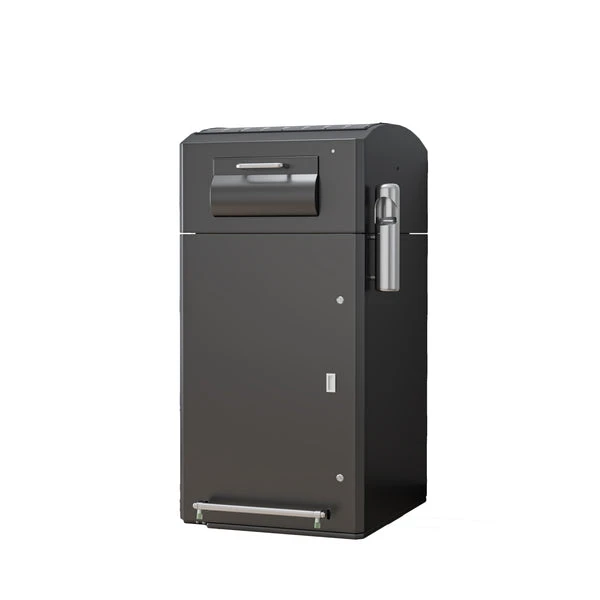
A properly designed smart city solar trash bin can often store several times more trash than a standard public bin simply because the garbage is compressed instead of sitting loosely inside. It’s actually a pretty simple idea when you strip away the technology around it.
Overflow Creates More Problems Than Just Appearance
People usually focus first on how overflowing waste looks. But honestly, the bigger issues start afterward. Bad smells build quickly during warmer weather. Rainwater drags loose waste into drains. Animals tear open bags overnight searching for food. Public spaces become less comfortable to walk through, especially near restaurants, parks, or transport stations. Businesses nearby notice it too.
Nobody enjoys eating outside next to overflowing trash, and tourists definitely remember dirty public areas more than city planners would probably like.
Cleaner waste systems improve the experience of public spaces in ways people notice emotionally even if they never consciously think about waste management itself.
Collection Teams Can’t Be Everywhere Constantly
A lot of people assume overflowing bins simply mean sanitation workers aren’t doing their jobs properly. Usually the problem is volume.
Cities generate enormous amounts of public waste every single day, and collection schedules are often based on routine timing rather than actual fill levels. One bin might overflow hours before pickup while another nearby container barely contains anything at all. That creates inefficiency constantly.
Compacting systems help reduce some of that pressure because compressed waste takes much longer to fill the container completely. Collection teams get more time before overflow becomes an issue. That sounds small, but operationally it makes a huge difference.
Solar Power Makes These Systems Easier to Use
One practical thing about many smart compactors is that they’re solar-powered. Which honestly makes sense because most public bins sit outdoors anyway. Parks, sidewalks, public squares, beaches, transit stations — these places get sunlight but don’t always have easy electrical access nearby.
Solar panels allow the compactor systems to operate independently without complicated infrastructure changes underneath the street.
That’s one reason eco smart garbage compactor technology works well in modern cities. The systems are designed around practical public use rather than requiring constant manual operation.
Smart Monitoring Helps Prevent Overflow Earlier
Traditional garbage collection mostly reacts after bins become full. Smart systems try to prevent that situation earlier instead.
Many compactors now include sensors that track how full the container actually is. Waste management teams can then adjust collection schedules based on real-time conditions instead of following rigid pickup routes blindly.
A connected smart city solar trash bin can alert sanitation teams before overflow even becomes visible to the public.
And honestly, preventing garbage problems early is much easier than cleaning scattered waste later after wind, rain, and foot traffic spread everything around.
Cities Are Producing More Waste Every Year
This part is difficult to ignore now. Food delivery apps, takeaway culture, packaged products, public events, tourism, commuting traffic — urban waste volume has increased heavily over the last decade. Traditional public bins were never really designed for the amount of disposable packaging modern cities generate constantly.
Adding more bins everywhere isn’t always realistic either because public space is already crowded enough in many urban areas.
Compacting systems solve part of that issue by increasing storage capacity without needing much larger containers physically. That’s why they’re becoming more common in crowded public environments.
Most People Only Notice Waste Systems When They Fail
Good public infrastructure usually goes unnoticed. Nobody walks through a clean park thinking deeply about garbage collection logistics. But people absolutely notice overflowing trash immediately because it changes how the entire environment feels.
That’s really the goal of smarter waste systems — preventing problems quietly before they become visible.
When compactors work properly, most people probably won’t even think about them much at all. Which, honestly is probably the best outcome public infrastructure can achieve.
Final Thoughts
Eco smart garbage compactors reduce waste overflow because they solve a very practical problem: public trash accumulates faster than traditional bins can handle in many busy areas.
By compressing waste, increasing storage capacity, improving collection timing, and using smart monitoring systems, these compactors help cities manage growing waste volumes more efficiently without letting overflow spread into surrounding public spaces.
And honestly, cleaner streets usually don’t happen because people suddenly stop producing waste. They happen because the systems handling that waste become smarter about managing it before problems start piling up visibly.


























Sign in to leave a comment.