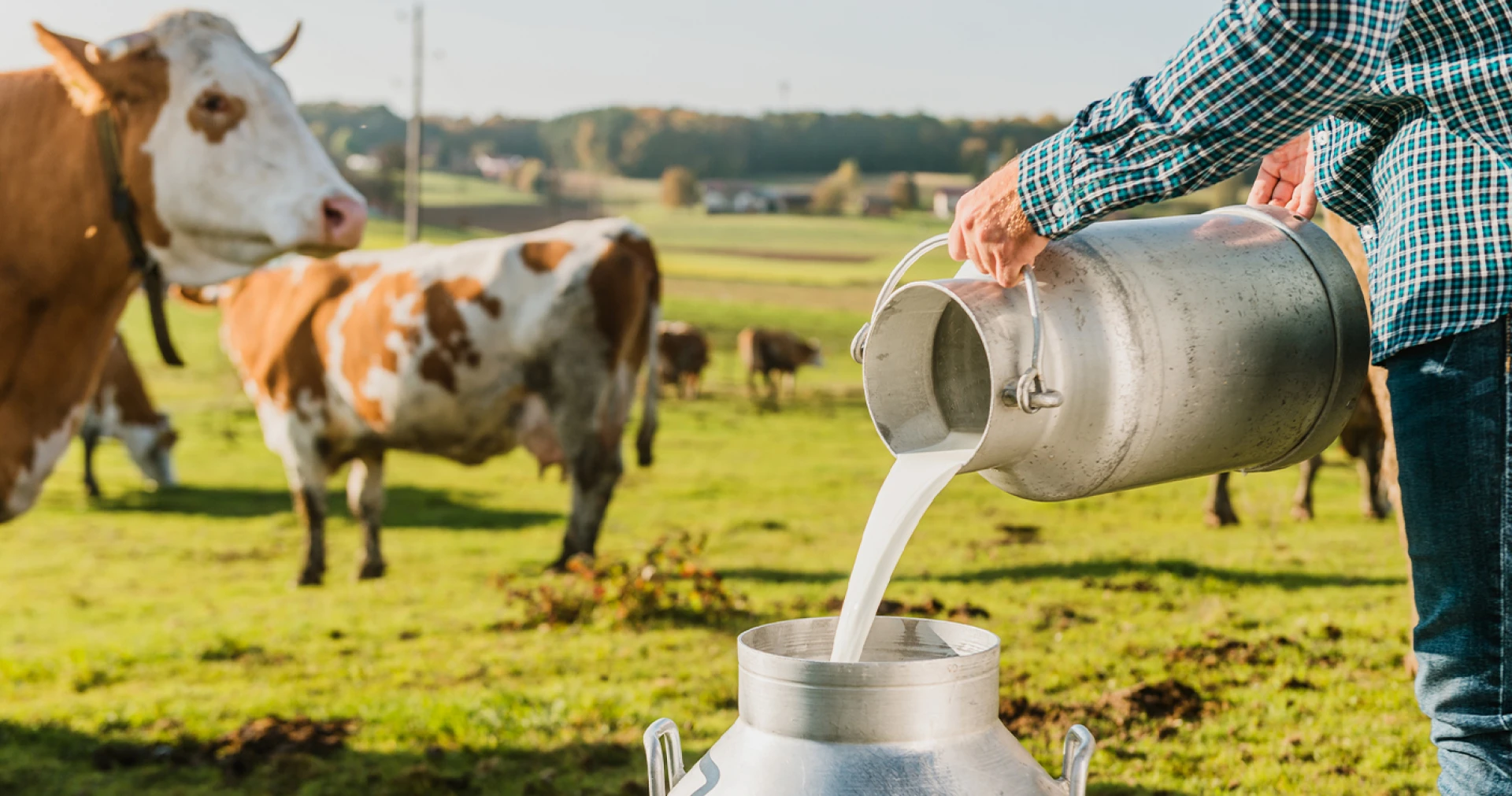

Running a dairy business today isn’t easy. Rising costs, strict quality checks, and complex supply chains make daily operations stressful. Yet, dairy companies that embrace technology are finding a smarter way forward.
In 2025, ERP software for the dairy industry will be the game-changer. It helps farmers, processors, and distributors manage everything — from milk collection to inventory and sales — in one connected system. Instead of juggling spreadsheets or outdated tools, ERP gives a clear view of production, finances, and supply chains in real time.
This article will show you how dairy ERP is transforming the industry. You’ll learn what dairy ERP software is, its key features, benefits, trends for 2025, and tips to choose the best solution for your business. Whether you run a small farm or a large dairy plant, you’ll see how ERP can cut costs, boost efficiency, and secure long-term growth.
What is ERP Software for the Dairy Industry?
ERP stands for Enterprise Resource Planning. It’s a type of software that connects all parts of a business into one system. Instead of using separate tools for accounting, production, or sales, ERP brings everything together.
For the dairy industry, ERP for dairy industry is designed with features that match its unique needs. Unlike general ERP, dairy ERP software manages milk collection, processing, storage, packaging, and even distribution. It helps ensure quality and compliance while reducing waste.
Some common areas covered by dairy management ERP include:
- Milk collection and supply tracking
- Production and processing management
- Quality control and safety checks
- Inventory and finance management
Example: A mid-sized dairy farm using ERP reduced inventory errors by 30% and improved milk collection efficiency within six months. The takeaway? Dairy ERP isn’t just tech — it’s a growth tool.
Key Features of Dairy ERP Software
Every dairy business has many moving parts. Dairy ERP software brings them under one system so farmers, managers, and accountants can work smarter, not harder. Here are the core features that make it powerful:
Dairy Farm Management
With dairy farm ERP, farmers can track animal health, feed schedules, and milk yield. This ensures healthier cows and consistent production. For example, feed tracking helps cut waste and improve output over time.
Milk Collection & Processing
Milk Processing ERP makes collection faster and more accurate. It records volumes, fat content, and supplier details instantly. Processing units can then plan pasteurization, packaging, and storage without delays.
Quality Control & Compliance
Using a dairy quality control ERP, businesses can test milk at every stage. It ensures compliance with food safety rules, reduces recalls, and keeps customers confident about product quality.
Dairy Supply Chain ERP
Distribution and logistics can be complex. Dairy supply chain ERP helps track deliveries, manage routes, and monitor cold storage conditions. This reduces spoilage and improves on-time deliveries.
Finance, Accounting & Inventory
With dairy accounting ERP and dairy inventory ERP, managers get real-time data on costs, sales, and stock levels. This makes it easier to control budgets and avoid shortages.
Takeaway: A dairy plant using ERP cut supply chain delays by 25% and improved compliance reporting — proof that these features directly boost efficiency and trust.
Benefits of ERP Software for the Dairy Industry
Adopting ERP software for the dairy industry isn’t just about going digital — it’s about making the entire operation smoother and more profitable. Here’s how it helps:
Improved Efficiency & Automation
With dairy process automation ERP, routine tasks like scheduling milk pickups, generating invoices, or managing stock are automated. This reduces manual errors and frees staff to focus on production and customer service.
Transparency in Production & Distribution
From milk collection to final delivery, every step is visible in real time. Managers can track batches, monitor storage, and follow delivery routes. This transparency builds trust with both regulators and customers.
Cost Savings & Profitability
ERP for dairy profitability comes from better resource use. Less waste, smarter purchasing, and timely distribution all lower costs. At the same time, accurate financial data helps in smarter pricing and planning.
Scalability for Small to Large Dairy Plants
Whether it’s a family-owned farm or a multinational dairy plant, ERP adapts to the size of the business. Modules can be added as the company grows, ensuring long-term flexibility.
Case Example – ERP Benefits in a Dairy Farm
A cooperative dairy in India implemented ERP and saw a 20% cut in milk spoilage while increasing profits by 15% in the first year. The lesson? ERP isn’t just for big companies — even small farms can see major gains.
ERP Solutions for Different Dairy Segments
Every dairy business operates differently, and ERP software for the dairy industry offers flexible solutions for each segment.
ERP for Dairy Farmers
Farmers can track milk yield, animal health, and feed schedules. It also manages payments and farmer networks, reducing paperwork and errors.
ERP for Dairy Plants
ERP for dairy plants focuses on production. It helps manage pasteurization, packaging, inventory, and compliance. Plants gain better control over batch processing and product quality.
ERP for Dairy Cooperatives
For cooperatives, ERP connects multiple farmers, collection centers, and processors into one system. It simplifies milk collection, supplier payments, and reporting.
ERP for Dairy Distribution & Logistics
With dairy supply chain ERP, distributors can monitor cold storage, track deliveries, and optimize transport routes. This ensures fresher products reach customers faster.
Which Type of ERP is Best for Your Dairy Business?
The right solution depends on size and goals:
- Small farms → focus on farm management.
- Medium plants → need processing and compliance.
- Large cooperatives → require a multi-level ERP.
Takeaway: Matching ERP to your business type ensures better results. A global dairy report found that businesses choosing the right-fit ERP improved efficiency by up to 35%.
Choosing the Best ERP Software for the Dairy Industry
With so many options in the market, picking the best ERP software for the dairy industry can feel overwhelming. The right choice depends on your business size, processes, and growth goals.
Here are some factors to consider when comparing dairy ERP vendors:
- Features & Modules – Does it cover farm management, milk processing, quality, supply chain, and finance?
- Ease of Use – A simple interface ensures faster adoption by staff.
- Scalability – Look for ERP that grows with your business, from small farms to large cooperatives.
- Integration – It should connect with existing tools like accounting software or IoT sensors.
- Cost & Pricing – Compare dairy ERP cost models (subscription vs. one-time license).
Some businesses use dairy ERP solutions comparison charts to weigh options side by side. This makes it easier to see which vendor offers the best mix of features and affordability.
Takeaway: According to industry surveys, 60% of dairy businesses saw ROI within 2 years of ERP adoption. Choosing wisely ensures not just smooth operations but long-term profitability.
Conclusion
The dairy sector in 2025 is no longer running on guesswork. ERP software for the dairy industry is helping farms, plants, and cooperatives streamline everything — from milk collection to distribution. The result? Lower costs, higher efficiency, and stronger trust with customers.
Looking ahead, the future of dairy ERP lies in cloud platforms, AI, and digital automation. Businesses that adopt early will stay ahead in a competitive market.
Now is the time to act. Explore or request a demo of the best ERP software for the dairy industry and see how it can transform your dairy business.





















Sign in to leave a comment.