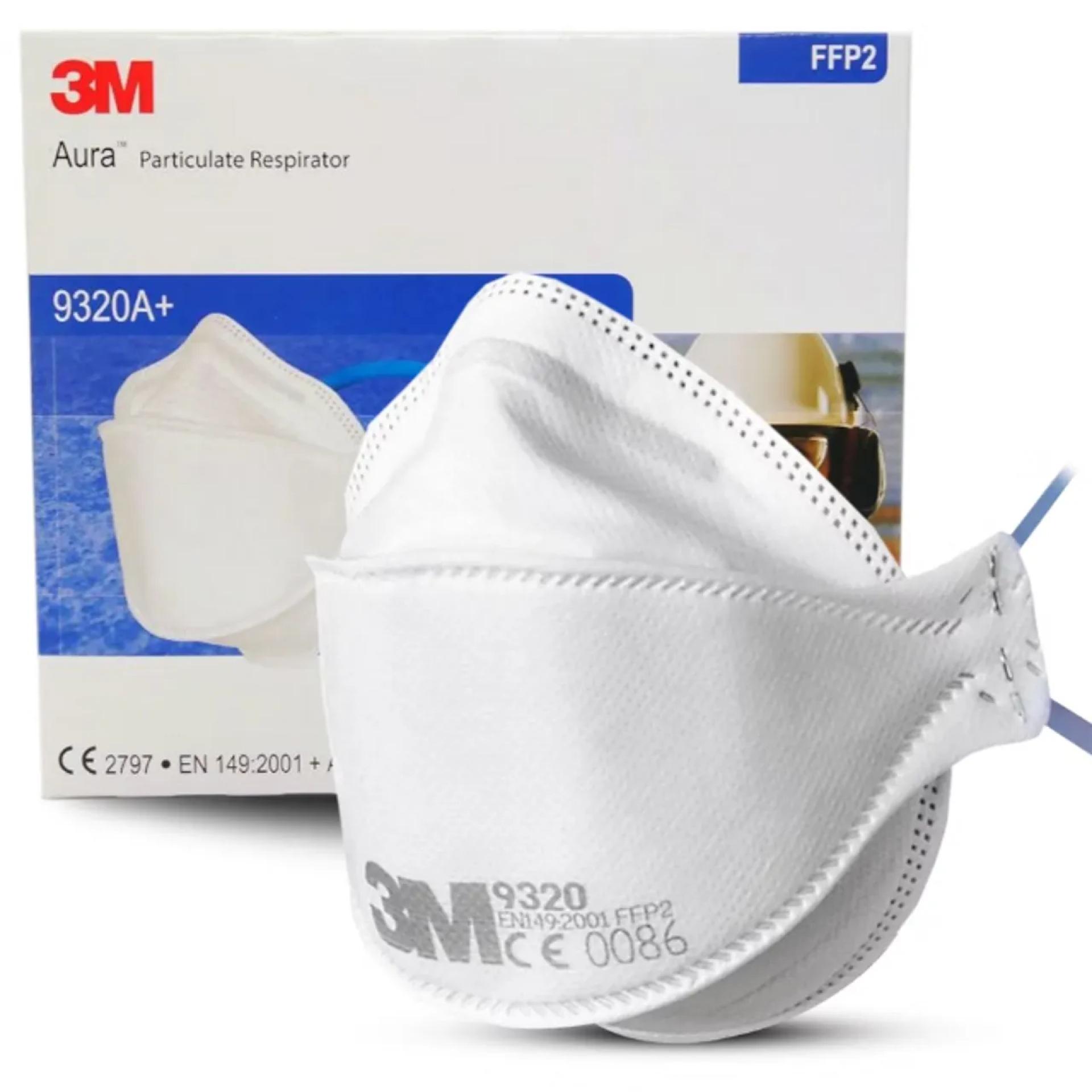
The role of protective masks in Australia has shifted significantly in recent years, moving from a healthcare-specific item to an everyday essential across many settings. Once used primarily in clinical environments, disposable face masks have become part of routine public health practice, especially during periods of heightened illness or poor air quality. This shift reflects a growing awareness of how simple protective measures can reduce transmission and improve community wellbeing.
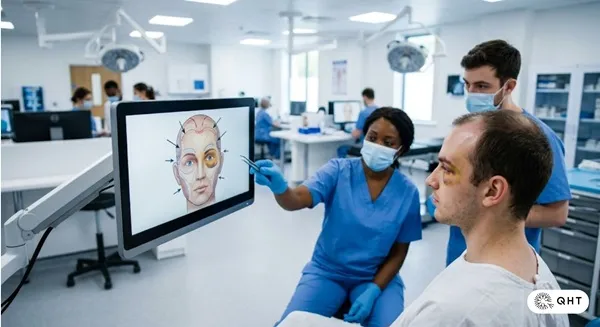
What began as a response to global health challenges has developed into a broader cultural norm. Australians now use masks not only in hospitals but also on public transport, in workplaces, and during seasonal outbreaks. Their convenience, comfort, and accessibility have made them a practical choice for individuals seeking an additional layer of protection.
The evolution also includes improvements in mask design. Enhanced filtration, better breathability, and more ergonomic shapes have contributed to wider acceptance and more consistent use. At the same time, clearer public guidance on mask-wearing has helped people understand when and how to use them effectively.
As expectations continue to change, protective masks remain an important tool for safeguarding both personal and public health. Their everyday role highlights a collective commitment to reducing risk and supporting safer shared spaces.

























Sign in to leave a comment.