

Diesel generator (DG) sets are essential for maintaining uninterrupted power across industrial plants, commercial buildings, hospitals, data centres and other facilities. However, reliable generator operation depends on more than engine quality and fuel supply. The exhaust system also plays a critical role in determining engine efficiency, operating temperature and overall performance.
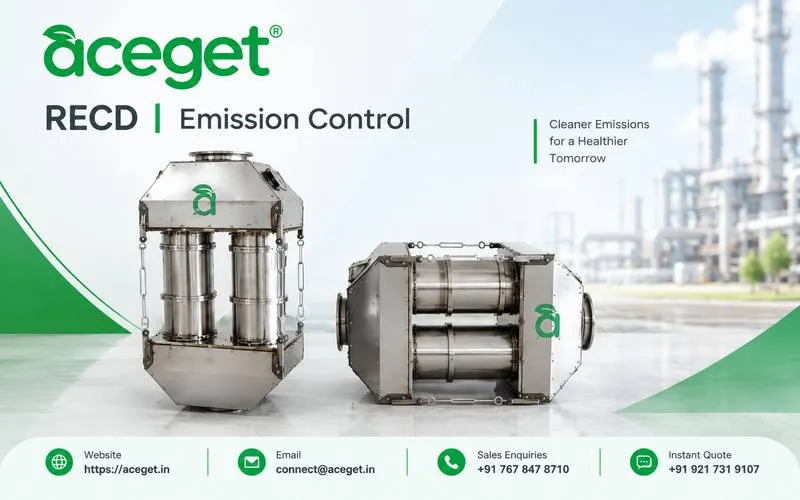
One important factor is exhaust backpressure. When exhaust gases encounter excessive resistance while leaving the engine, the generator may experience reduced efficiency, higher exhaust temperatures and increased stress on engine components. This becomes particularly important when a Retrofit Emission Control Device (RECD) is installed in the exhaust system.
Understanding exhaust backpressure helps facility managers, maintenance engineers and generator operators make informed decisions about exhaust design, equipment selection and preventive maintenance.
What Is Exhaust Backpressure in a DG Set?
Exhaust backpressure is the resistance that engine exhaust gases encounter as they travel through the exhaust manifold, pipes, silencers and other exhaust-system components before being discharged.
A certain amount of pressure loss is normal because exhaust gases must pass through these components. Problems can arise when the total resistance exceeds the maximum limit specified by the engine manufacturer.
Several factors influence backpressure, including exhaust pipe diameter, pipe length, bends, silencer design, component condition and the installation of emission-control equipment.
The Cummins Generator Set Application Manual explains the importance of keeping engine exhaust backpressure within the allowable limits stated in the generator set's technical documentation.
Why Does Excessive Exhaust Backpressure Matter?
A diesel engine needs to expel combustion gases effectively before drawing fresh air into the cylinders for the next combustion cycle. Excessive exhaust resistance makes this process more difficult and can increase the energy required to move exhaust gases.
Depending on the engine design and the severity of the restriction, the consequences may include:
- Reduced engine efficiency and available power.
- Increased fuel consumption under certain operating conditions.
- Higher exhaust gas temperatures.
- Increased smoke or changes in emission performance.
- Additional stress on turbochargers, exhaust valves and related components.
The actual impact varies between engines, so maintenance teams should use manufacturer specifications rather than assuming that every DG set responds identically.
Common Causes of High Exhaust Backpressure
1. Incorrect Exhaust Pipe Sizing
An exhaust pipe with an insufficient diameter can restrict the movement of gases. Pipe dimensions should be selected according to the engine's exhaust flow and the manufacturer's installation requirements.
2. Excessive Pipe Length and Sharp Bends
Long exhaust routes and unnecessary bends add resistance to gas flow. A properly engineered layout helps minimise avoidable pressure losses while meeting structural, thermal and safety requirements.
3. Silencer Restrictions
Internal damage, deterioration or deposits inside a silencer may obstruct exhaust flow. Periodic inspection can help identify problems that affect the exhaust system.
4. RECD Soot Loading
Some RECD configurations use filtration technology to capture particulate matter. As soot accumulates, resistance across the filter may increase. Systems requiring regeneration or cleaning must be serviced according to their specific operating procedures.
5. Incorrect RECD Selection
An emission-control device that is unsuitable for the generator's exhaust flow can introduce excessive resistance. Selection should consider the engine rating, exhaust flow, temperature, expected particulate loading and maximum permissible backpressure.
How Exhaust Backpressure Affects RECD Efficiency
An RECD is designed to reduce targeted pollutants in diesel exhaust. However, emission-control performance must be considered alongside engine compatibility and exhaust-flow requirements.
A properly selected and maintained device should be evaluated against its specified operating conditions and the engine manufacturer's backpressure limits.
If a filtration-based RECD becomes excessively loaded with soot, the pressure drop across the device may rise. This can indicate a need for inspection, cleaning, regeneration or further diagnosis, depending on the technology used.
The Central Pollution Control Board's RECD Emission Compliance Testing Procedure addresses exhaust backpressure during testing and refers to values declared by the manufacturer. This makes the relevant technical documentation important when assessing a particular engine and retrofit system.
It is important to remember that different RECD technologies have different operating characteristics. Maintenance procedures and performance expectations should therefore be based on the specific equipment installed.
Practical Ways to Manage Exhaust Backpressure
Industrial facilities can take several steps to manage exhaust-system resistance effectively.
Inspect the complete exhaust route: Check pipes, bends, silencers, joints and emission-control equipment for damage, restrictions or deterioration.
Verify the manufacturer's limits: Obtain the maximum permissible backpressure from the engine or generator technical documentation. Do not apply a generic value to every DG set.
Monitor pressure during operation: Where suitable measurement points are provided, record backpressure under specified operating conditions. Measurements at comparable loads make trends easier to interpret.
Maintain the RECD according to its design: Follow the prescribed inspection, cleaning and regeneration procedures. Avoid unapproved modifications or cleaning methods.
Review the installation design: If excessive backpressure persists, have a qualified engineer assess pipe sizing, routing, silencers and device compatibility.
Keep service records: Document inspections, pressure readings, maintenance activities and component replacements. This information helps technicians identify recurring restrictions and plan servicing.
Why Technical Compliance and Testing Matter
Businesses should not evaluate an RECD only on its advertised emission-reduction performance. The complete installation must also be compatible with the engine and satisfy the requirements applicable to that particular application.
The CPCB website provides access to official technical publications and environmental guidance. For generator-specific limits, operators should also consult the relevant engine manufacturer's documentation and qualified service personnel.
Where emission testing or regulatory approval is required, facilities should confirm the applicable procedure and documentation with the appropriate authorities. Installing an RECD does not automatically establish compliance with every requirement.
Learn More About Exhaust Backpressure and DG Set Performance
Understanding the relationship between exhaust-system resistance, generator performance and emission-control equipment can help businesses make better maintenance and installation decisions.
For a more detailed explanation of the causes, effects and management of exhaust backpressure, read Aceget's guide on how exhaust backpressure affects DG sets and RECD performance. The article provides further information relevant to industrial facilities assessing exhaust restrictions and retrofit emission-control systems.
Conclusion
Exhaust backpressure is an important consideration when designing, operating and maintaining diesel generator exhaust systems. Excessive resistance can affect engine efficiency, operating temperature, available power and the performance of emission-control equipment.
A suitable exhaust layout, correctly selected RECD, regular inspections and adherence to manufacturer specifications can help manage these risks. Businesses should monitor operating conditions, investigate abnormal pressure readings and obtain qualified technical support whenever restrictions persist.
By treating backpressure as part of the overall generator and emission-control system, facility managers can make informed decisions that support reliable operation and effective emissions management.

























Sign in to leave a comment.