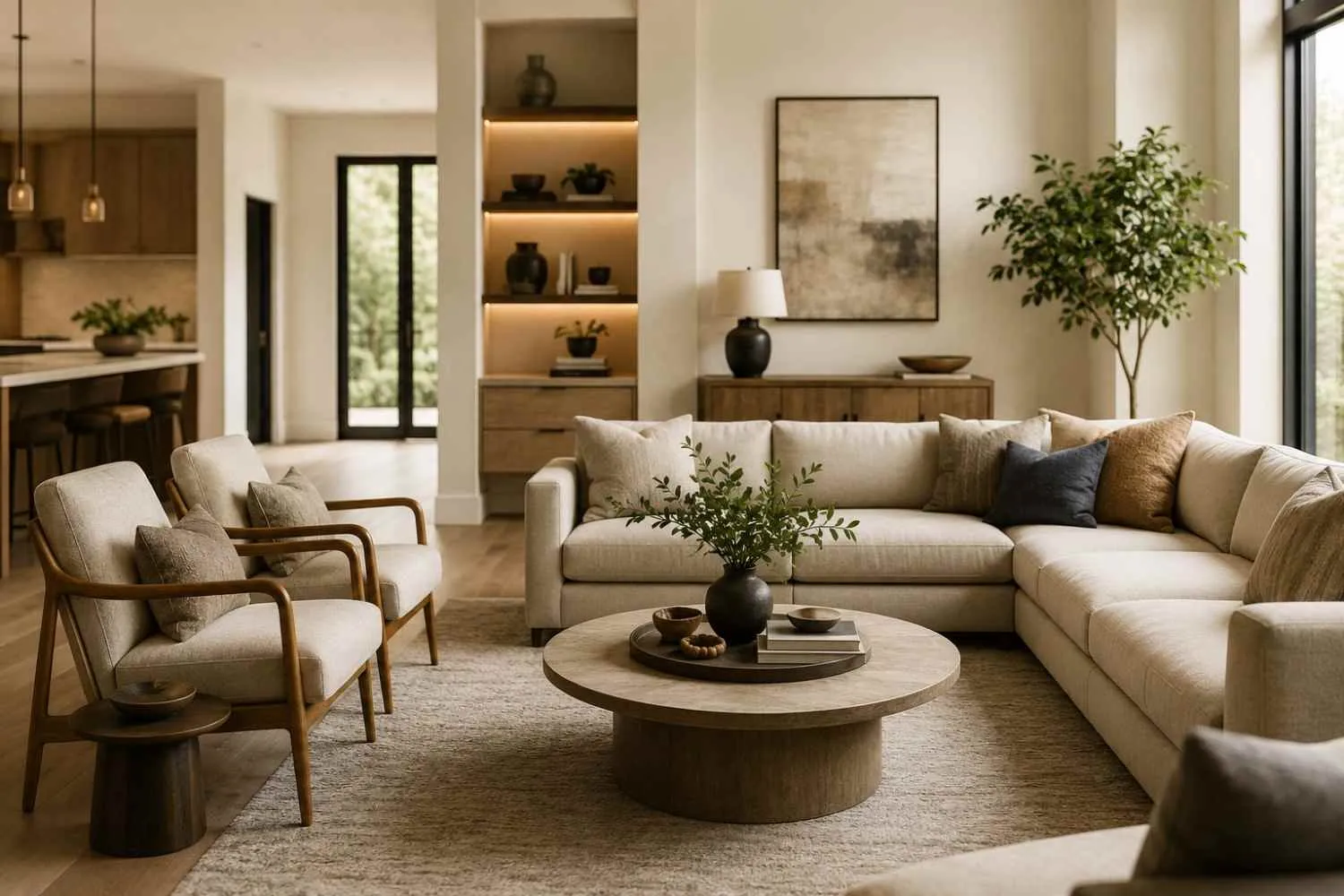

Designing a home involves more than choosing furniture, paint colors, and decorations. It requires planning the layout, selecting materials, coordinating different elements, and making sure everything works together. For homeowners who want help managing these details, full-service interior design can be a practical solution.
Full-service interior design offers professional guidance throughout multiple stages of a project, from the initial planning to the final finishing touches. It can help homeowners make informed decisions, avoid unnecessary confusion, and create a space that suits their lifestyle and preferences.
Whether you are building a new home, renovating an existing property, or updating several rooms, understanding what full-service interior design includes can help you decide if it is the right choice for your project.
What Is Full-Service Interior Design?
Full-service interior design is a comprehensive approach in which an interior designer helps manage several aspects of a design project. Instead of hiring someone only to select colors or furniture, you receive support across a broader range of decisions, depending on the services included in your agreement.
The process often begins with understanding your needs, budget, preferred style, and how you use your space. The designer then develops a plan that connects the overall vision with practical details.
For example, if you are renovating your living room, a designer may help plan the layout, select furniture, coordinate lighting, recommend materials, and arrange decorative elements. For a larger project, the scope may also include coordination with contractors and other professionals.
The exact services vary by designer and project, so it is important to confirm what is included before work begins.
Understanding Your Needs and Planning the Project
Every successful interior design project starts with a clear understanding of the homeowner's expectations. Before making design decisions, a designer typically learns about your lifestyle, preferences, budget, and priorities.
This stage helps establish a direction for the project and reduces the chances of making choices that do not suit your needs.
During the initial planning stage, discussions may cover:
- Your preferred interior style, colors, and overall look.
- Your budget, timeline, and main project priorities.
- How each room will be used and what practical needs it must meet.
This information helps the designer create a plan that balances appearance, comfort, and functionality.
Space Planning and Layout Design
A room can look attractive but still feel uncomfortable if the layout is poorly planned. Space planning focuses on how furniture, walkways, storage, and other elements fit together.
An interior designer considers the size and shape of each room, the placement of doors and windows, natural light, and how people move through the space. The goal is to make the home feel comfortable and practical without wasting valuable space.
For example, a well-planned living room should provide enough seating while allowing people to move around easily. In a kitchen, the arrangement of cabinets, appliances, and work surfaces should support everyday cooking and cleaning.
Thoughtful space planning can be especially helpful in smaller homes, where every area needs to serve a purpose.
Selecting Materials, Colors, and Finishes
Choosing materials and finishes is another important part of full-service interior design. Flooring, wall colors, countertops, cabinetry, tiles, and hardware all contribute to the overall appearance of a home.
These choices also affect durability, maintenance, and cost. A material that looks beautiful may not be the best option for a busy family home if it requires frequent upkeep.
A designer can help compare suitable options and create a consistent look throughout the property. The selections depend on your budget, personal taste, and how each space will be used.
The process may include:
- Choosing paint colors, flooring, tiles, and countertop materials.
- Coordinating cabinet finishes, fixtures, and hardware.
- Comparing samples to see how colors and textures work together.
Making these decisions as part of a coordinated plan can help prevent mismatched finishes and unnecessary changes later.
Furniture Selection and Custom Design
Furniture plays a major role in how a home looks and feels. The right pieces can improve comfort, support daily activities, and make rooms feel more balanced.
With full-service interior design, the designer may help select sofas, beds, dining tables, chairs, rugs, and other furnishings that suit the layout and overall style.
In some projects, custom furniture or built-in cabinetry may also be considered. These options can be useful when a room has unusual dimensions or requires storage that standard furniture cannot provide.
Rather than selecting items based only on appearance, a designer considers their size, function, materials, and relationship to the rest of the room. This helps create a space that feels coordinated and comfortable to use.
Lighting and Window Treatments
Lighting has a significant effect on the atmosphere of a home. A thoughtful lighting plan considers natural daylight, general room lighting, task lighting, and accent lighting.
For example, a kitchen may need focused lighting over work surfaces, while a bedroom may benefit from softer lighting for relaxation and bedside lamps for reading.
Window treatments are also important. Curtains, blinds, and shades can help manage daylight, provide privacy, and complement the interior style.
An interior designer may coordinate these elements with the furniture, wall finishes, and room layout. The aim is to create lighting that supports everyday activities while making the space feel inviting.
Project Coordination and Implementation
Designing a space is only part of the process. Once the plan is approved, the selected materials, furniture, fixtures, and other elements need to be sourced and installed.
Depending on the agreement, a full-service interior designer may coordinate with contractors, suppliers, installers, and other professionals involved in the project.
This support may help keep different tasks organized and ensure that design decisions are communicated clearly. However, the designer's responsibilities vary, and contractor management, purchasing, site supervision, or construction administration may be separate services.
Before signing an agreement, ask who will handle ordering, deliveries, installation, scheduling, and any issues that arise during the work.
Final Styling and Finishing Touches
Small details can make a room feel complete. Once the main furniture and finishes are in place, the final stage may involve arranging accessories, hanging artwork, selecting decorative objects, and adjusting the placement of lamps or rugs.
These finishing touches help connect the different elements of a room without making it feel overcrowded.
For example, cushions and throws can add texture to a living room, while artwork and carefully selected accessories can bring personality to a neutral space. The goal is to create an interior that reflects your taste rather than simply following a design trend.
Depending on the service agreement, final styling may be included or offered as an additional service.
What Are the Benefits of Full-Service Interior Design?
Working with an interior designer can make a complex project easier to plan and manage. Instead of making every decision independently, you have professional guidance to help connect the different parts of the design.
Some potential benefits include:
- A coordinated design: Materials, furniture, lighting, and finishes are selected to work together.
- Better use of space: Layout decisions are based on the room's dimensions and your daily needs.
- More informed choices: Professional guidance can help you compare options based on style, function, durability, and budget.
- Organized project planning: When included in the agreement, coordination support can help manage suppliers, deliveries, and installation details.
The benefits depend on the designer's experience, the project's complexity, and the specific services provided. Clear communication and realistic expectations are important throughout the process.
10. Is Full-Service Interior Design Right for Your Home?
Full-service interior design may be worth considering if you are planning a major renovation, building a new house, furnishing several rooms, or managing a project with many different elements.
It can also be useful if you have a clear idea of how you want your home to feel but need help turning that vision into a workable plan.
Before hiring a designer, consider your budget, timeline, level of involvement, and the amount of professional support you need. Ask for a detailed proposal explaining the scope of work, fees, purchasing arrangements, and any services that cost extra.
If you are exploring full-service interior design, reviewing the designer's previous projects and communication process can help you decide whether their approach is a good fit.
Conclusion
Full-service interior design brings together planning, material selection, furniture, lighting, and other design decisions to create a cohesive home. Depending on the agreement, it may also include sourcing, project coordination, and final styling.
The main advantage is having a clear plan and professional guidance across multiple stages of the project. This can make it easier to create a home that reflects your preferences while supporting everyday comfort and functionality.
Every project is different, so take time to understand what a designer offers before making a decision. With the right plan and clear communication, you can work toward a home that feels thoughtfully designed and suits the way you live.
Frequently Asked Questions
1. What is included in full-service interior design?
It may include consultations, space planning, material and finish selection, furniture and lighting recommendations, sourcing, and final styling. Project coordination may also be included, depending on the agreement.
2. Is full-service interior design worth it?
It may be worthwhile for larger renovations, new construction, or projects involving many design decisions. The value depends on your needs, budget, the designer's services, and how much support you want.
3. Does a full-service interior designer manage contractors?
Some designers coordinate with contractors and other professionals, but this is not guaranteed. Confirm whether contractor coordination, site visits, and construction supervision are included in the proposal.
4. What is the difference between interior design consultation and full-service design?
A consultation usually provides advice or recommendations for specific design questions. Full-service design generally covers a wider range of project stages, although the exact scope varies by designer.
5. When should I hire a full-service interior designer?
It is often helpful to involve a designer early in a new construction or renovation project. Early planning can help align the layout, materials, lighting, furniture, and budget before major decisions are finalized.























Sign in to leave a comment.