
The Unspoken Transition: Navigating the Leftovers of Care
Life with diabetes is a journey of constant adjustment. Medications are fine-tuned, insulin types are switched, and dosages evolve with the body’s changing needs. For families, each successful adaptation is a victory. Yet, in the wake of these positive changes, a quiet, often overlooked question emerges: what becomes of the perfectly good, now unneeded, supplies filling the drawers and cabinets?
This surplus represents more than just physical objects. It is a tangible collection of hope, diligence, and investment. Each test strip vial, every sealed insulin pen, and all the unopened sensors are artifacts of a past regimen, purchased with care and often significant cost. Managing this surplus is an emotional and practical step in fully embracing the new chapter of care.
The Emotional Weight of a Stockpile
Before any practical decision is made, there exists an emotional reckoning. These supplies were once lifelines, integral to daily routines and safety nets. Letting go can feel strangely poignant, a severing of a tie to a former phase of the management journey. Some families hold onto them "just in case," a comfort against future uncertainty. Others feel a sense of waste, looking at the gathering boxes with a mix of frustration and guilt, knowing these expensive, life-sustaining items are sitting idle while others may be in desperate need.
This period of transition, therefore, becomes an exercise in mindful closure. It is an acknowledgment that while the supplies were essential, the well-being they supported has moved forward. Freeing up space in the home can symbolically mirror making space for the new, more effective regimen.
Exploring Pathways for Purposeful Redistribution
The management of these surplus supplies opens several pathways, each with its own considerations. The first and most crucial step is an open conversation with the healthcare provider. They can offer definitive guidance on the safety of redistributing specific items, as some supplies, particularly medications, have strict legal and safety restrictions on transfer.
For unopened, non-prescription items like test strips or lancets, many communities have local donation networks. Clinics, community health centers, or nonprofit organizations sometimes accept these donations to support patients facing financial hardship. This act transforms surplus into solidarity, offering direct help to a neighbor in need.
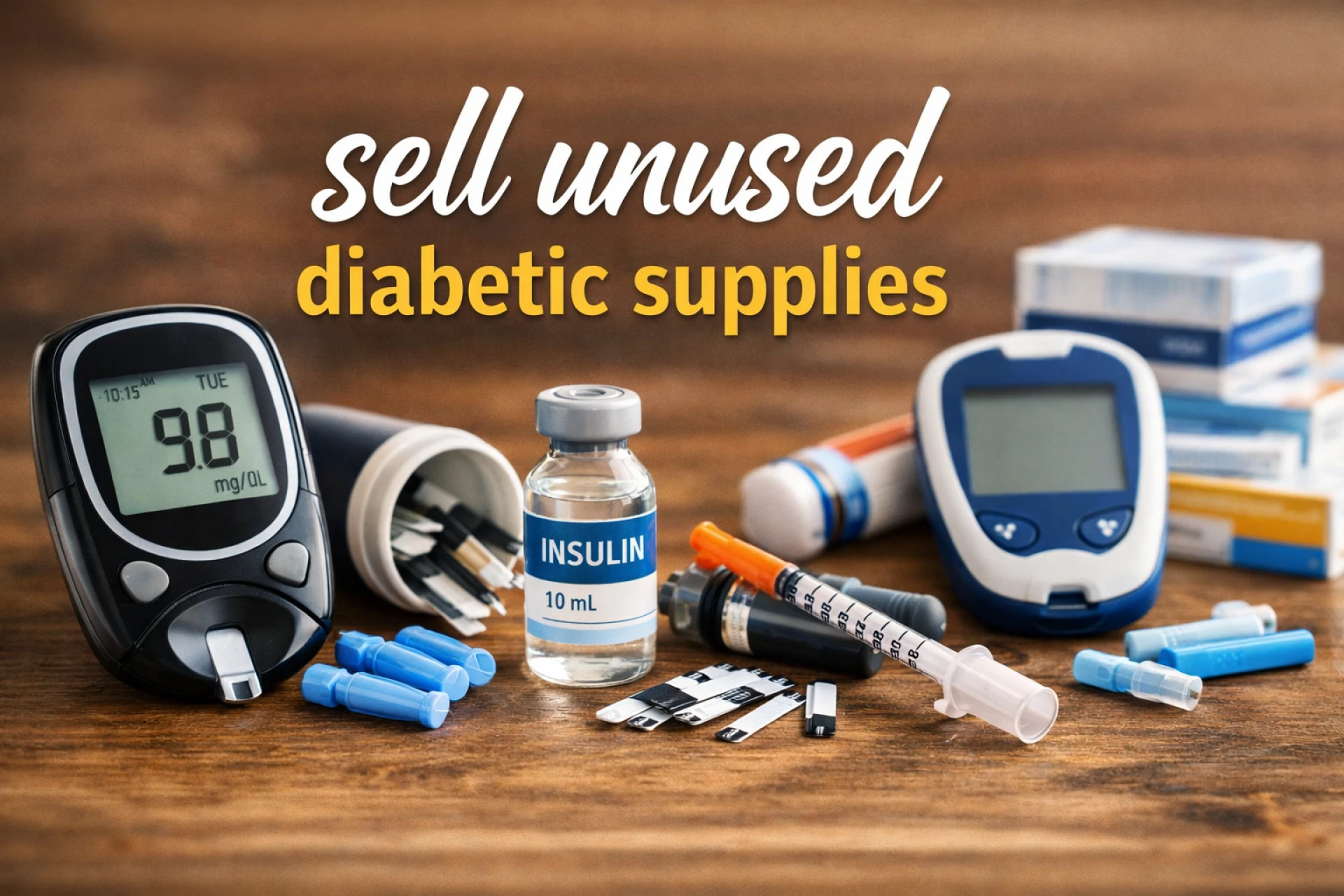
Another avenue some families explore is to sell unused diabetic supplies to specialized and reputable service providers. This option recognizes the financial reality of diabetes care. The initial investment was substantial, and recouping even a portion of the cost can alleviate the burden of ongoing expenses. It is a practical choice that allows families to redirect funds toward current medical needs or other household necessities, ensuring that the value of the original purchase is not entirely lost.
Ensuring Safety and Integrity in Every Decision
Regardless of the path chosen, the north star must always be safety. Supplies should only be considered for redistribution if they are unopened, in their original, tamper-evident packaging, and well within their expiration dates. Storage history matters; supplies must have been kept in a cool, dry place, away from extreme temperatures that could compromise their efficacy.
This vigilant approach protects everyone involved. It ensures that any item leaving the home is as reliable and accurate as the day it was acquired. It is a profound act of responsibility, turning the management of surplus into an extension of care—care for one’s own family’s transition, and care for the potential next user of those supplies.
The Quiet Satisfaction of a Managed Conclusion
Ultimately, navigating the surplus after a treatment change is a final, thoughtful step in that particular leg of the diabetes journey. It moves a family from a place of passive accumulation to active resolution. Whether through donation, which offers the warmth of community support, or through a responsible sale that provides financial respite, the outcome is the same: purpose found in what was once just clutter.
The cabinet space cleared is more than physical. It is mental and emotional space, ready to be filled with the confidence and tools of the new, current path forward. In thoughtfully managing what is left behind, families fully turn their faces toward the road ahead, having honored both the past need and the present progress.
For Business Inquiries Related to Sell Unused Diabetic Supplies, Please Call Us or WhatsApp At: +1 908-855-7064




Sign in to leave a comment.