

The Hidden Value in the Healthcare Cabinet
For decades, the healthcare industry operated on a linear path: manufacture, distribute, use, and discard. This "take-make-waste" model seemed efficient enough when resources were cheap and supply chains were predictable. However, as the global medical landscape faces rising costs and environmental pressures, a new paradigm is shifting the focus from disposal to recovery.
Medical supply resale, once a niche market, is rapidly becoming a cornerstone of modern healthcare efficiency. It is a story of reclaiming value from forgotten inventory and ensuring that life-saving tools reach the hands that need them most, rather than ending up in a landfill.
The Problem of Surplus and Expiration
The modern medical facility is a marvel of logistics, but it is also a place of immense waste. Hospitals and clinics often over-order supplies to ensure they are never caught short during an emergency. While this is a necessary precaution for patient safety, it creates a massive surplus of unused, unexpired, and perfectly sterile equipment.
When a facility upgrades its technology or changes its surgical protocols, thousands of dollars in specialized inventory can suddenly become obsolete for that specific institution. Traditionally, these items sat in basement storage until their sterilization dates lapsed, at least until the industry realized that one hospital’s surplus is another clinic’s solution.
Bridging the Gap Between Access and Affordability
The rise of the secondary market for medical supplies is driven by a simple economic reality: the cost of healthcare is becoming unsustainable for many. Smaller clinics, rural health centers, and international humanitarian groups often operate on shoestring budgets. For these organizations, purchasing brand-new equipment at retail prices isn't always feasible.
By facilitating the resale of high-quality, pre-owned, or surplus items, the industry creates a more equitable distribution of resources. This marketplace allows essential tools—ranging from imaging machines to basic surgical kits—to be redirected to where the need is greatest. It isn't just about saving money; it is about expanding the reach of medical care to underserved populations.
The Role of Specialty Recovery Services
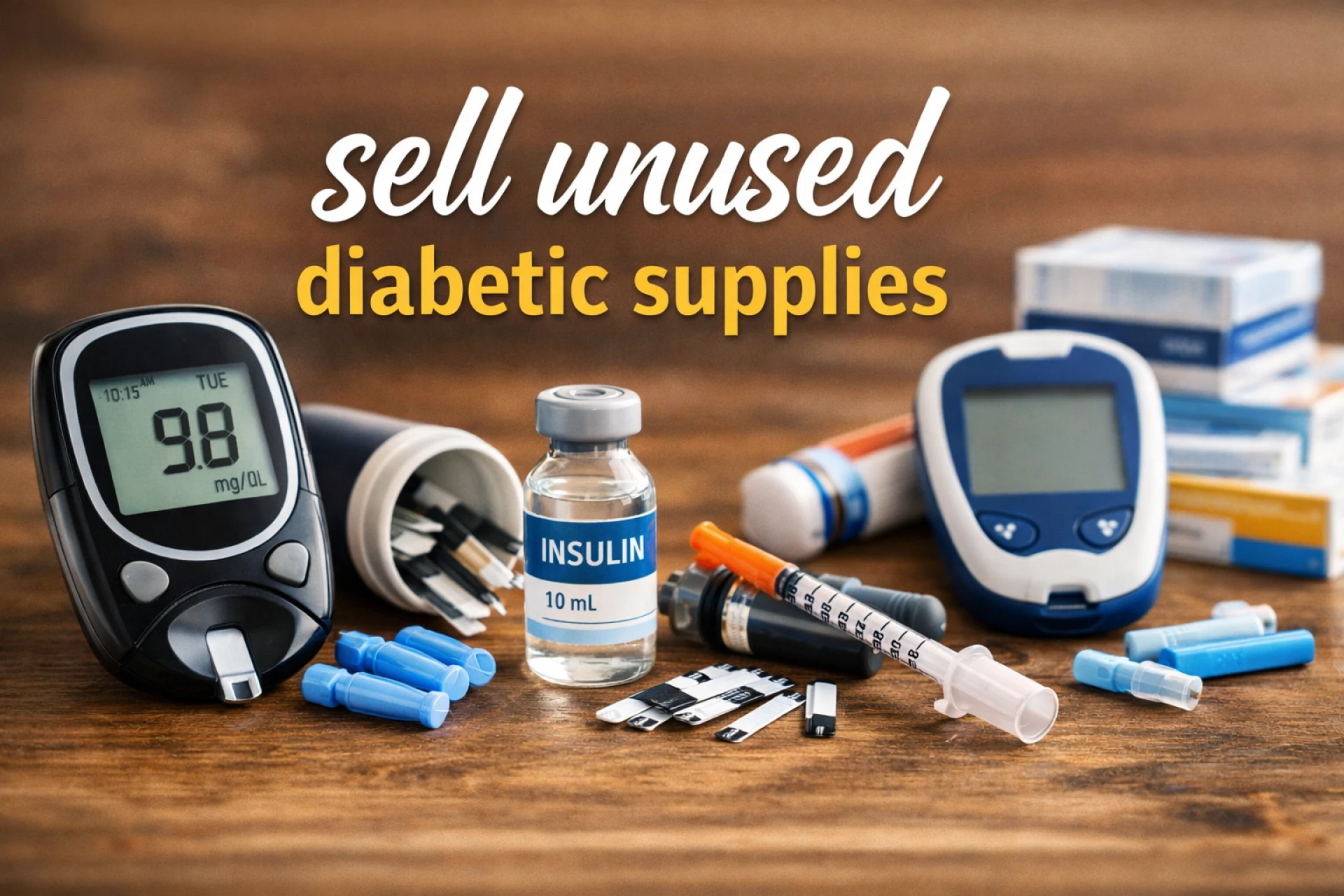
One of the most significant shifts in this movement involves patient-level supplies. For individuals managing chronic conditions, the accumulation of unused supplies is a common occurrence. Changes in prescriptions or upgrades in medical technology often leave patients with boxes of unopened, high-quality materials they can no longer use.
This is where specialized recovery programs come into play. For instance, the growing popularity of a diabetic supplies buy back program illustrates a shift toward community-level efficiency. These programs allow individuals to recoup some of their costs while ensuring that essential items like testing strips and sensors are diverted back into the supply chain for others to use. By creating a structured way to handle these surpluses, the industry reduces the financial burden on the patient and minimizes the environmental impact of medical waste.
Environmental Stewardship and the Circular Economy
Beyond the financial benefits, the resale of medical supplies is a win for the planet. The healthcare sector is a significant contributor to global waste, much of which consists of plastics and electronics that are difficult to recycle. Extending the lifecycle of a piece of medical equipment is the most effective form of sustainability.
Every time a surgical instrument is refurbished or a surplus pallet of gauze is redirected to a secondary buyer, the carbon footprint of manufacturing a new item is avoided. This "circular economy" approach treats medical supplies as assets to be managed rather than consumables to be discarded.
Maintaining Rigorous Safety Standards
A common concern regarding medical resale is the question of safety and quality. The industry has addressed this through the implementation of strict vetting processes. Reputable resale platforms and organizations employ technicians and specialists who inspect every item for integrity, sterilization seals, and expiration dates.
In the case of capital equipment, such as MRI machines or ventilators, refurbishment processes are now so advanced that "pre-owned" equipment can often match the performance of new models at a fraction of the price. This transparency and commitment to safety have helped build trust among healthcare providers, making resale a standard operating procedure rather than a last resort.
A Future Defined by Resourcefulness
The evolution of medical supply resale represents a maturation of the healthcare industry. It is a recognition that efficiency isn't just about how fast a patient is treated, but how wisely the tools of healing are managed.
As technology continues to advance and global health needs grow, the ability to pivot and redistribute resources will be the hallmark of a resilient healthcare system. By valuing every bandage, monitor, and diagnostic tool, the industry is proving that being resourceful is the most effective way to be restorative. The move toward resale isn't just a trend; it is the blueprint for a more sustainable and accessible future in medicine.



























Sign in to leave a comment.