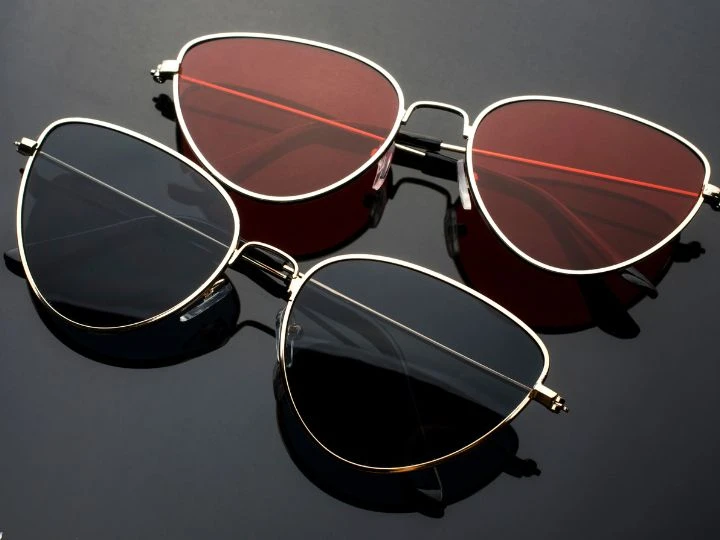

Sunglasses are more than just eye protection, they are a fashion statement that evolves with cultural shifts, runway trends, and consumer lifestyles. In today’s style-driven world, large-scale eyewear manufacturing is closely tied to what people see in magazines, on social media, and on the streets. Even sectors like fashion sunglasses wholesale feel the ripple effects of changing tastes, as trend cycles often determine what gets produced in high volumes. Understanding how fashion influences bulk sunglasses production reveals a fascinating connection between creativity, culture, and manufacturing.
The Connection Between Fashion and Function
At their core, sunglasses serve a functional purpose: protecting eyes from harmful UV rays. However, fashion has transformed them into accessories that reflect personality and identity. When a certain frame shape or lens color becomes popular, manufacturers take notice. Bulk production often follows patterns seen in fashion weeks, celebrity choices, and influencer content.
For example, oversized frames may surge in popularity after appearing on runways, while minimalist metal frames might trend during periods when clean aesthetics dominate fashion. Manufacturers who produce in bulk must anticipate these waves well in advance because design, sourcing, and production timelines can take months.
Trend Forecasting Shapes Production Decisions
Predicting What’s Next
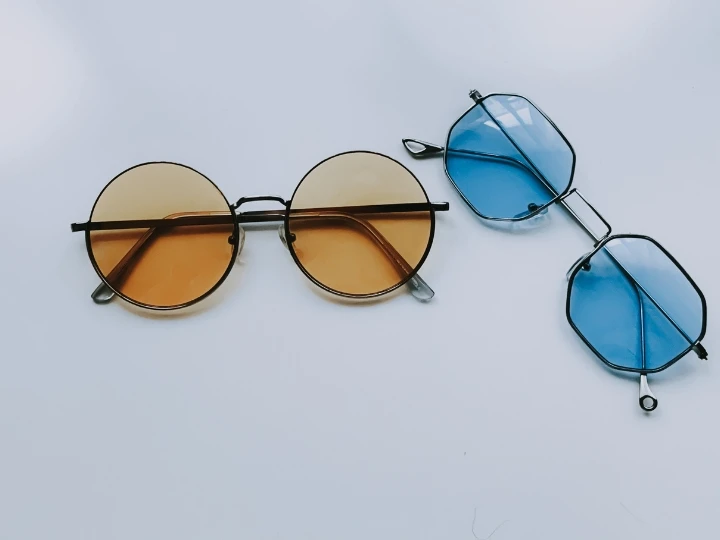
Trend forecasting plays a major role in bulk sunglasses production. Designers and analysts track global fashion movements, consumer behavior, and cultural influences. They review everything from clothing color palettes to accessory pairings. If warm earth tones dominate clothing collections, sunglasses may follow with brown, amber, or gold-tinted lenses.
Forecasting agencies and style reports help manufacturers decide which designs are worth producing in large quantities. This reduces the risk of overproduction and waste while aligning supply with demand.
The Role of Social Media
Social media has accelerated trend cycles dramatically. A style worn by a celebrity today can become a global demand tomorrow. Platforms like Instagram and TikTok create rapid exposure for new looks, pushing manufacturers to adapt quickly. Bulk producers now monitor digital trends as closely as traditional fashion channels.
Materials and Design Innovation
Fashion trends don’t just affect how sunglasses look, they also influence what they’re made from. Sustainability, for instance, has become a powerful movement in fashion. As eco-conscious choices gain attention, manufacturers explore recycled plastics, biodegradable materials, and plant-based acetate for frames.
Design innovation also follows fashion moods. Retro revivals can bring back thick frames and bold colors, while futuristic trends may inspire sleek lines and mirrored lenses. Bulk production must balance creativity with practicality, ensuring that trendy designs are still durable and comfortable for everyday use.
Seasonal Cycles and Demand Planning
Fashion operates on seasons, and sunglasses production often aligns with them. Spring and summer typically drive higher demand, encouraging brighter colors and playful designs. Fall and winter collections may lean toward neutral tones and classic shapes.
Bulk manufacturers plan production schedules around these cycles. They must estimate how long a trend will last and how much inventory is realistic. Producing too much of a short-lived trend can lead to surplus stock, while producing too little can mean missed opportunities.
Cultural Influence on Style
Fashion is deeply connected to culture. Music, films, and travel trends all influence what people wear, including sunglasses. For instance, vintage-inspired styles often resurface when retro aesthetics become popular in pop culture. Similarly, sporty wraparound sunglasses may trend alongside the rise of athletic or outdoor lifestyles.
Bulk producers watch these cultural signals carefully. Understanding regional preferences also matters, as styles that are popular in one country may not resonate in another.
Balancing Trendiness with Timelessness
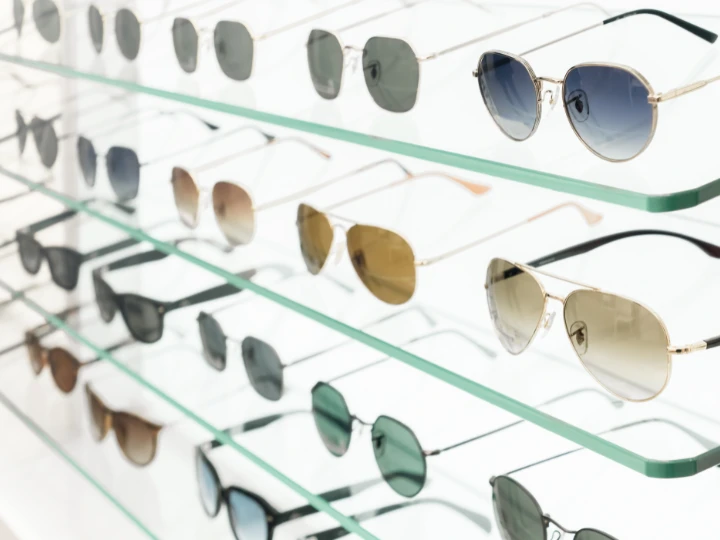
While trends drive excitement, classic styles never fully disappear. Aviators, wayfarers, and simple rectangular frames remain staples. Bulk sunglasses production often includes a mix of trendy and timeless designs to maintain stability in demand.
This balance helps manufacturers reduce risk. Trend-driven pieces attract attention, while classic designs provide consistent sales over time.
Final Thought
Fashion trends act as both inspiration and instruction for bulk sunglasses production. They guide design choices, materials, colors, and production volumes. Yet behind every stylish pair is a careful process of forecasting, planning, and cultural awareness. As fashion continues to evolve quickly in the digital age, sunglasses production must remain flexible and observant. The most successful bulk production strategies are those that respect creativity while staying grounded in practical demand.
FAQs
1. How do fashion trends start influencing sunglasses design?
Trends often begin on runways, in pop culture, or through influencers, then spread to mainstream fashion and accessories.
2. Why is trend forecasting important in bulk production?
It helps manufacturers predict demand and avoid producing styles that may quickly go out of fashion.
3. Do sustainable trends affect sunglasses production?
Yes, many producers now explore eco-friendly materials due to growing environmental awareness.
4. Are classic sunglasses styles still produced in bulk?
Absolutely. Timeless designs provide steady demand and balance trend-based risks.
5. How quickly can manufacturers respond to new trends?
It depends on production capacity and supply chains, but social media has pushed the industry to react faster than ever.


























Sign in to leave a comment.