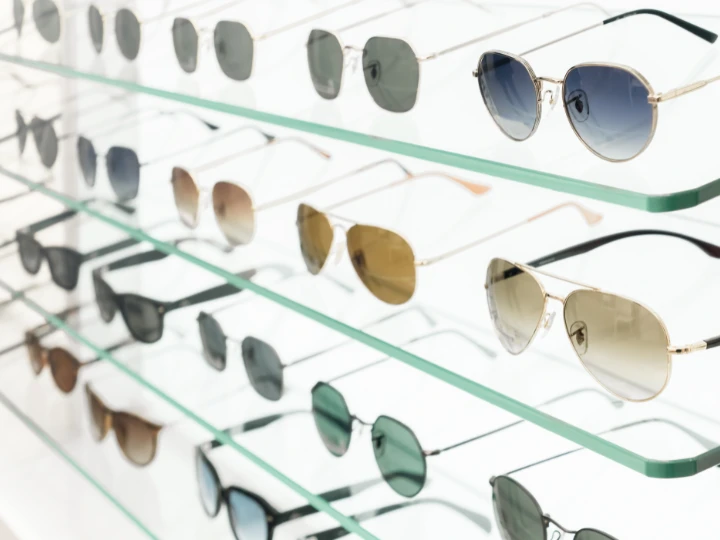

Most people remember sunscreen before heading outdoors, but eye protection is often forgotten. Whether you’re at the beach, driving, or just walking on a bright afternoon, your eyes are exposed to ultraviolet (UV) radiation every single day. While many people shop for cheap wholesale sunglasses as a fashion accessory or resale item, the real value of sunglasses lies in protecting long-term eye health. Skipping them might not seem like a big deal in the moment, but over time, the damage can add up in ways that are hard to reverse.
How Sunlight Affects Your Eyes
Sunlight contains ultraviolet rays that can harm the delicate tissues of the eye. There are two main types that reach us: UVA and UVB. Both can penetrate eye structures and contribute to various conditions.
Unlike skin damage, which can be seen and felt quickly, eye damage from UV exposure is usually gradual and painless at first. That’s part of the problem — many people don’t realize harm is happening until symptoms become serious.
Short-Term Effects of UV Exposure
Even a single day of intense sun exposure without eye protection can cause temporary but painful issues.
Photokeratitis (Sunburn of the Eye)
Photokeratitis is essentially a sunburn on the surface of your eye. It can happen after spending hours in bright sunlight, especially near reflective surfaces like water, sand, or snow. Symptoms may include:
- Redness
- Gritty or burning sensation
- Light sensitivity
- Blurry vision
While it usually heals within a couple of days, repeated episodes can increase the risk of long-term damage.
Eye Strain and Headaches
Bright light forces your eyes to work harder. Without sunglasses, you may squint more, which can lead to facial tension, eye fatigue, and headaches — especially during driving or extended outdoor activities.
Long-Term Health Risks of Not Wearing Sunglasses
The more serious concerns develop slowly over years of unprotected exposure.
Cataracts
Cataracts occur when the eye’s natural lens becomes cloudy, leading to blurred or dim vision. UV radiation is a known risk factor for developing cataracts earlier in life. While cataracts are treatable with surgery, prevention through consistent eye protection is far easier and less invasive.
Macular Degeneration
Age-related macular degeneration (AMD) affects the central part of your vision, which is crucial for reading, driving, and recognizing faces. Long-term UV exposure may contribute to retinal damage and increase the risk of this condition. Vision loss from AMD can be permanent and significantly impact quality of life.
Pterygium (Surfer’s Eye)
A pterygium is a growth of tissue on the white part of the eye that can extend over the cornea. It’s more common in people who spend a lot of time outdoors without eye protection. Besides redness and irritation, severe cases can distort vision and may require surgical removal.
Skin Cancer Around the Eyes
The skin around the eyes is thin and highly sensitive to UV radiation. Not wearing sunglasses leaves the eyelids and surrounding skin vulnerable to sun damage, which can increase the risk of skin cancers in this area. Sunglasses with large lenses can help shield not just the eyes, but also this delicate skin.
Why Regular Eyeglasses or Contacts Aren’t Enough
Many people assume their regular prescription glasses or contact lenses provide adequate sun protection. In reality, most standard lenses do not block 100% of UV rays unless they have a specific UV-protective coating. Even then, they don’t reduce glare, which is another major cause of eye strain and visual discomfort outdoors.
Sunglasses designed with proper UV protection help in two key ways:
- Blocking harmful radiation
- Reducing glare from reflective surfaces like roads and water
This combination makes a noticeable difference in comfort and safety, especially while driving.
Children Are at Higher Risk
Kids spend more time outdoors and often don’t think about eye protection. Their eyes are also more sensitive to UV radiation because the lens inside a child’s eye is clearer, allowing more UV light to reach the retina. Early protection can reduce cumulative damage over a lifetime.
Teaching children to wear sunglasses along with hats and sunscreen helps build habits that protect their vision well into adulthood.
Choosing Sunglasses That Actually Protect
Not all sunglasses offer real protection. Dark lenses without UV protection can actually be worse than no sunglasses at all because they cause your pupils to dilate, allowing more harmful rays to enter.
Look for labels that say:
- 100% UV protection
- UV400 protection (blocks both UVA and UVB rays)
Lens color and price don’t determine safety — UV blocking does.
Final Thought
Your eyes work hard for you every day, and unlike many parts of the body, they can’t easily heal from accumulated sun damage. The effects of UV exposure may not show up immediately, but years down the road, they can seriously affect how well you see and live. Making sunglasses a daily habit — not just a beach-day accessory — is a small step that can protect your vision for decades to come.
FAQs
1. Can I get eye damage on cloudy days?
Yes. UV rays can pass through clouds, so your eyes are still at risk even when it doesn’t feel very sunny.
2. Are polarized lenses the same as UV protection?
No. Polarization reduces glare, while UV protection blocks harmful radiation. Ideally, sunglasses should have both.
3. Do I need sunglasses in winter?
Absolutely. Snow reflects UV rays, which can increase exposure and even cause photokeratitis.
4. How early should children start wearing sunglasses?
As soon as they spend time outdoors regularly. Child-sized sunglasses with proper UV protection are widely available.
5. Can wearing sunglasses really prevent eye disease?
They can’t guarantee prevention, but consistent UV protection significantly reduces the risk of several sun-related eye conditions over time.
























Sign in to leave a comment.