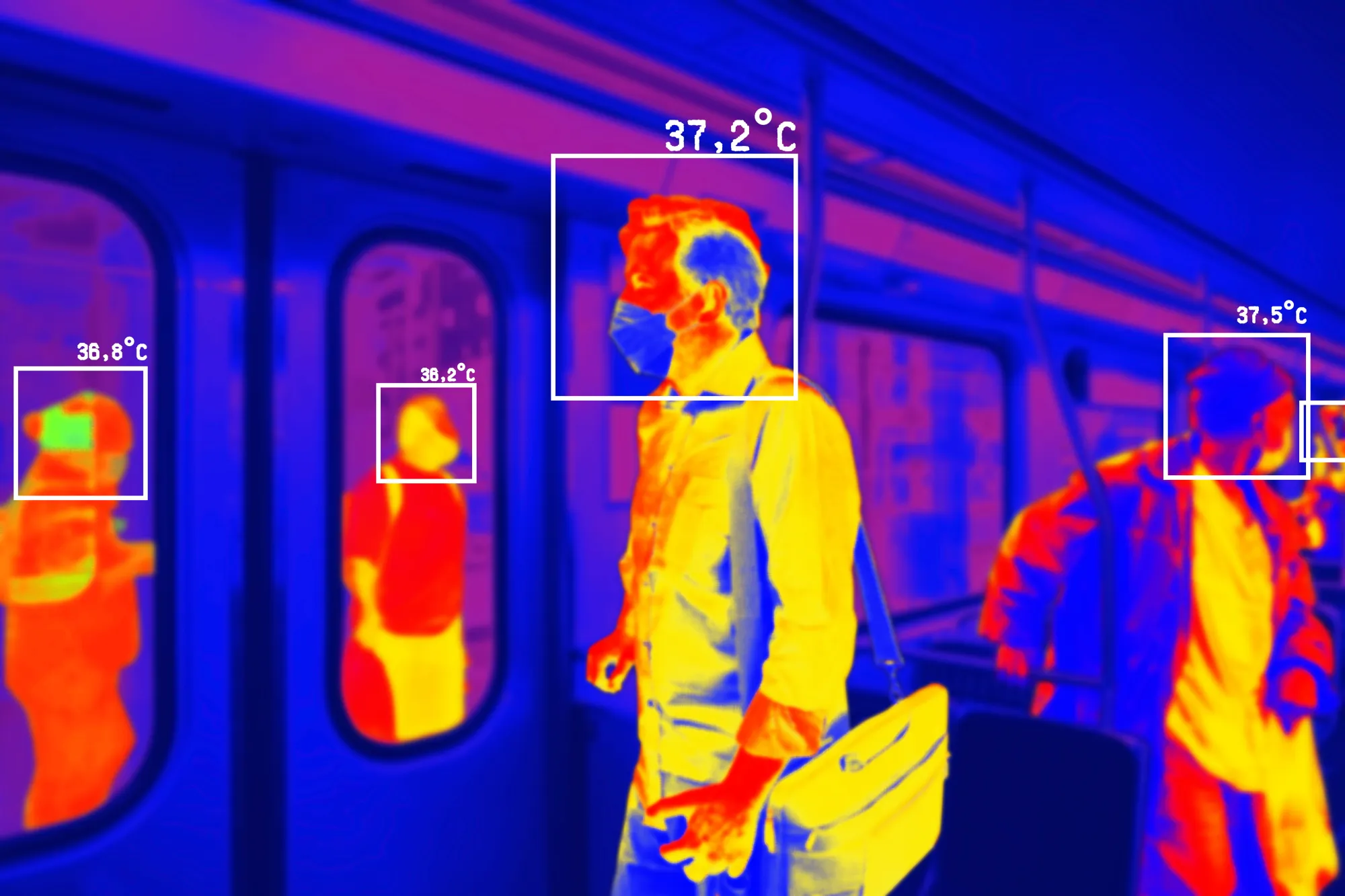
When was the last time you thought about what might be overheating inside your walls or behind your electrical panels? Most property owners don’t, until something goes wrong. By then, the damage is often already done. That is where FLIR thermal imaging cameras come into play. These powerful tools allow you to see heat signatures that are invisible to the naked eye, helping you catch potential problems long before they turn into costly disasters. Whether you manage a hospitality venue, an industrial facility, or a commercial building, thermal imaging offers a non-invasive way to keep everything running safely and efficiently.
Why Early Detection Matters for Your Business
Nobody likes unexpected repair bills or operational shutdowns. A small electrical fault or a blocked ventilation system might seem minor initially, but left unchecked, these issues can escalate quickly. Using a thermal imaging camera gives you the ability to perform routine inspections without tearing apart walls or disrupting your daily operations. This proactive approach saves time, money, and a great deal of stress. For hotels, restaurants, and guest accommodation providers, maintaining a safe environment is non-negotiable. Guests expect comfort and security, and hidden faults can compromise both.
How Thermal Imaging Cameras Work in Real-World Settings
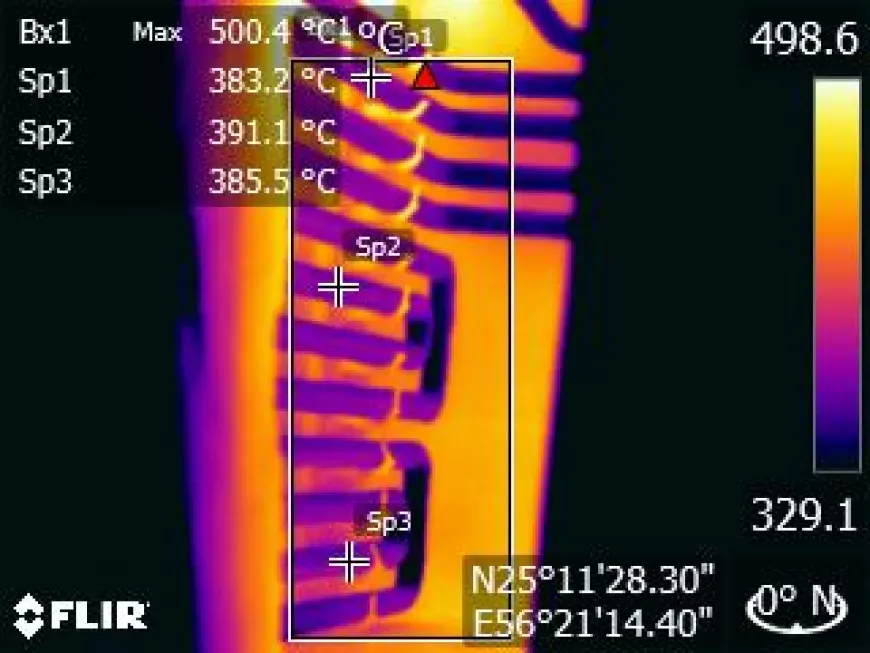
The technology behind FLIR thermal imaging cameras is surprisingly straightforward. Every object emits infrared radiation, which these cameras translate into a visual heat map. Hot spots appear as bright areas, while cooler sections show up darker. This allows you to identify overheating circuits, moisture intrusion, insulation gaps, and even mechanical fatigue. Unlike traditional inspection methods, thermal imaging is completely non-contact, meaning you can scan large areas quickly and safely.
Here are a few practical applications for hospitality and commercial properties:
- Inspecting fuse boards and electrical connections for loose or corroded parts
- Locating air leaks around windows, doors, and ductwork
- Detecting moisture behind bathroom tiles or under flooring
- Checking kitchen equipment bearings and motors for overheating
Each of these inspections helps prevent fires, reduce energy waste, and extend the lifespan of your assets.
Using a Thermal Imaging Camera for Preventive Maintenance
Preventive maintenance is the backbone of any well-run property. Instead of waiting for something to break, you schedule regular checks that catch wear and tear early. A single thermal imaging camera can replace dozens of manual checks, offering accurate, repeatable results every time. You can then arrange repairs during off-peak hours, minimising disruption to your guests or staff.
Fixed thermal cameras take this a step further by providing continuous monitoring. Models like the FLIR A-Series are designed to watch over critical equipment around the clock. They integrate directly into your existing security or building management systems, sending automatic alerts when temperature thresholds are exceeded. This is particularly valuable for server rooms, boiler houses, and commercial kitchens where heat-related failures are common.
Thermal Imaging Camera Applications for Fire Prevention
Fire safety is one area where cutting corners is never an option. FLIR thermal imaging camera excel at spotting early warning signs that conventional smoke detectors might miss. A smouldering cable or an overheating bearing generates heat long before flames appear. By identifying these hot spots early, you can schedule repairs and avoid a potential emergency. For bed and breakfasts, hotels, and event venues, this level of vigilance offers genuine peace of mind.
Where to Find Reliable Thermal Imaging Solutions
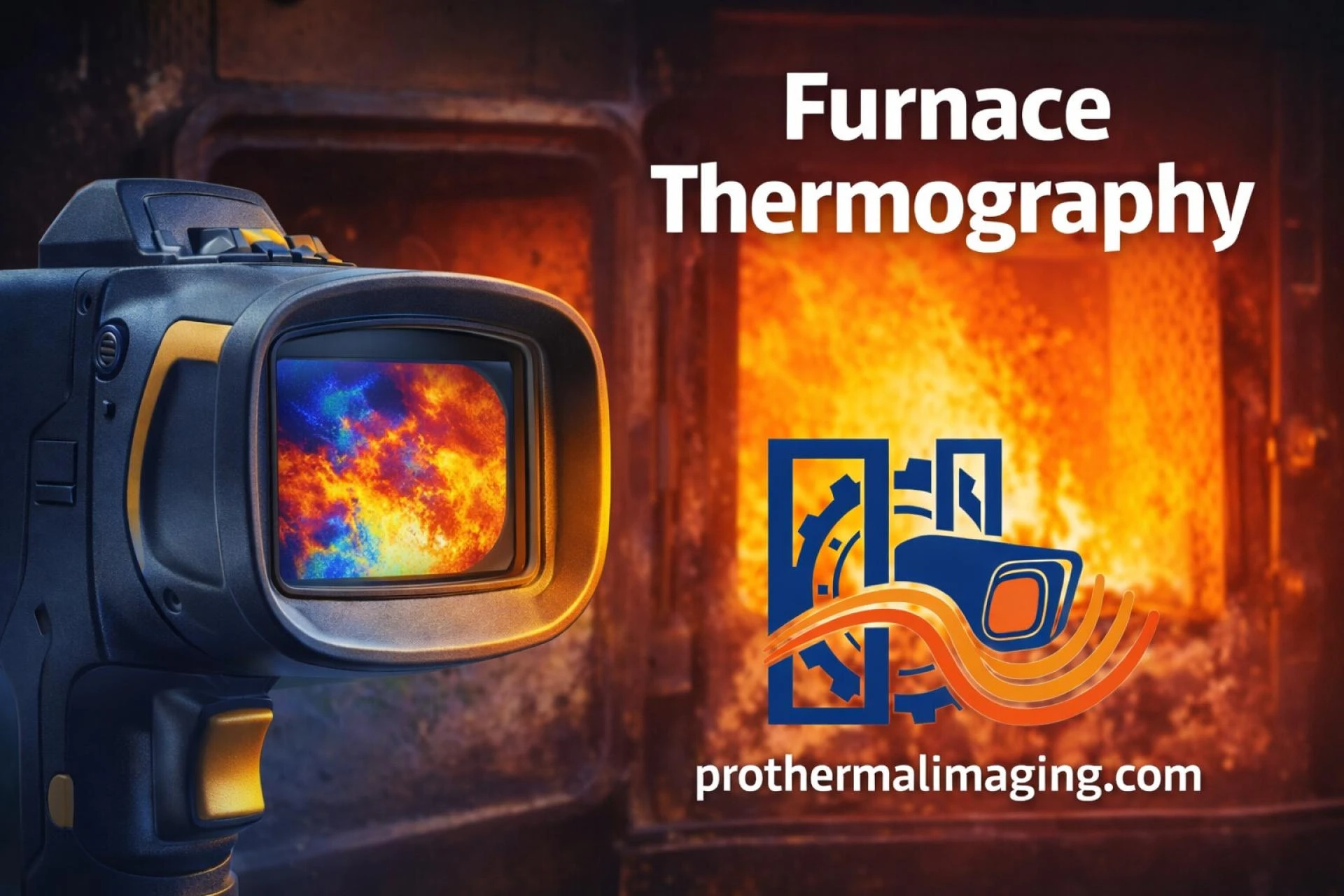
Sourcing high-quality equipment matters. At Pro Thermal Imaging, you will find a carefully selected range of thermal solutions suited to both mobile and fixed installations. Their team understands the unique demands of the hospitality sector and can help you choose the right tools for your property. Whether you need a handheld device for spot checks or a permanent system for 24/7 surveillance, they offer professional guidance and reliable products.
Frequently Asked Questions
How often should I inspect my property with thermal imaging?
It depends on your equipment and building age. For most commercial properties, an annual full survey works well, with quarterly checks on high-risk areas like electrical panels and kitchen extractors.
Can thermal imaging see through walls?
No, thermal cameras cannot see through solid walls. They measure surface temperatures, which can reveal temperature differences caused by hidden issues like moisture or missing insulation behind the surface.
Do I need special training to use a thermal imaging camera?
Basic operation is quite intuitive, but getting accurate, actionable data does require some understanding of emissivity, reflected temperatures, and proper scanning techniques. Most suppliers offer introductory training sessions.
Is thermal imaging expensive for small hospitality businesses?
Handheld thermal cameras have become very affordable in recent years. Considering the potential savings from preventing a single fire or major electrical failure, the investment pays for itself quickly.
Take the Next Step Towards a Safer Property
You do not need to wait for a breakdown to take action. With the right tools and a proactive mindset, you can protect your guests, your staff, and your investment. Pro Thermal Imaging offers expert advice and top-tier equipment tailored to the hospitality industry. Visit their website today to browse their collection of thermal solutions and schedule a consultation. A safer, more efficient property is just a thermal scan away.

























Sign in to leave a comment.