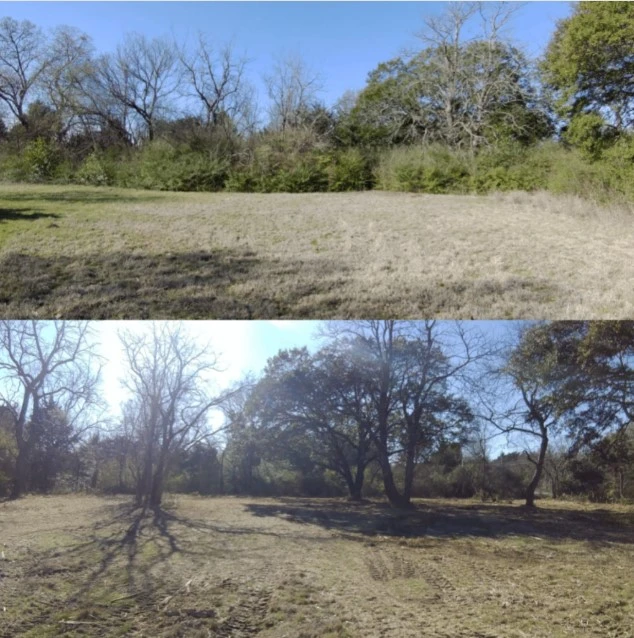
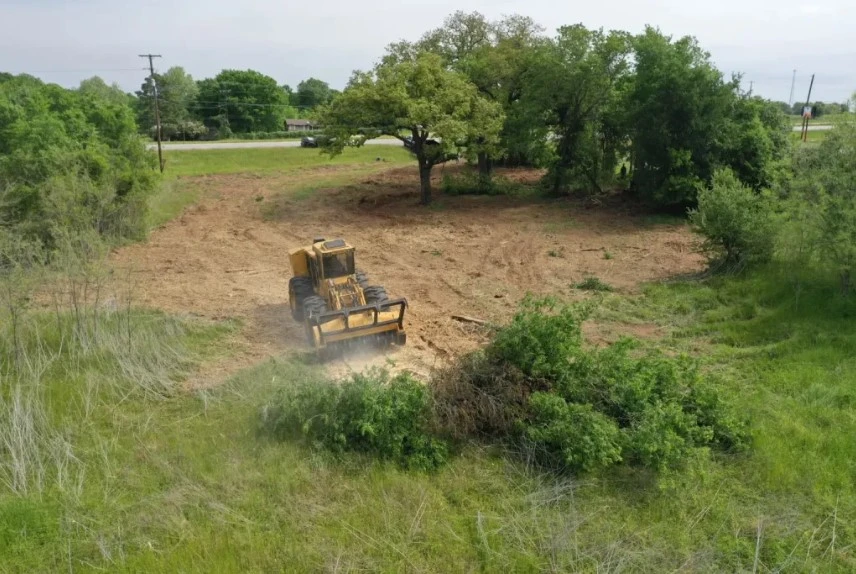
Forestry mulching has emerged as a preferred method for land clearing, especially for those looking to preserve environmental integrity while preparing land for development. Unlike traditional land-clearing techniques that involve burning, bulldozing, or hauling debris to landfills, forestry mulching offers a more eco-friendly solution. It involves grinding vegetation into mulch on-site, allowing for natural decomposition and enriching the soil. In this post, we'll explore the various ways forestry mulching minimizes environmental impact during land clearing and why it's becoming the go-to choice for environmentally conscious developers.
Reduces Soil Erosion
One of the primary benefits of forestry mulching is its ability to protect soil structure. Traditional clearing methods, such as bulldozing, remove large swaths of vegetation, leaving the soil bare and vulnerable to erosion from wind and water. Erosion can strip away nutrient-rich topsoil, degrade the land, and increase sedimentation in nearby water bodies.
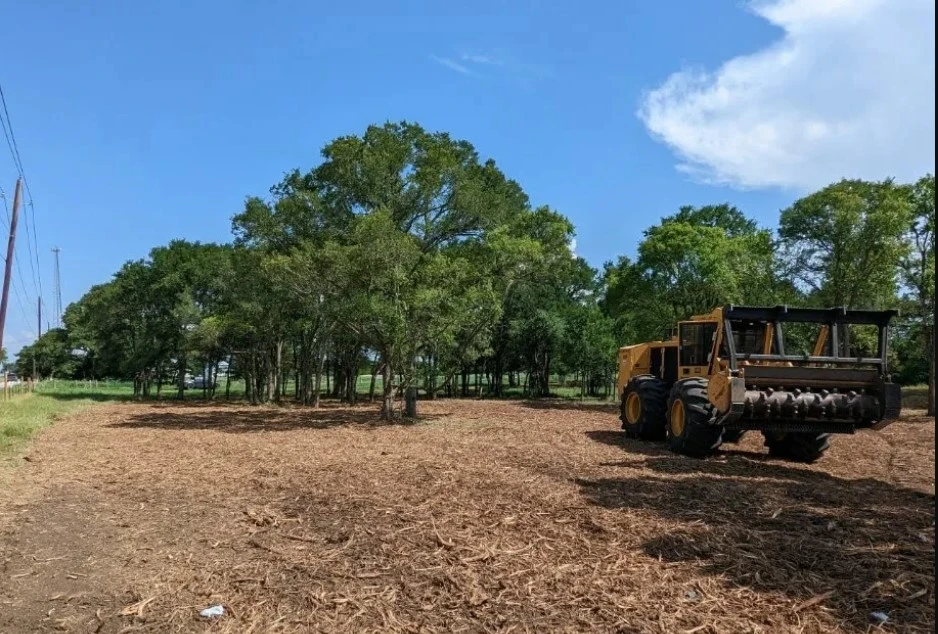
Forestry mulching, on the other hand, leaves a layer of organic material on the ground. This mulch acts as a protective barrier, preventing soil erosion by keeping the ground intact. The layer of mulch also retains moisture, creating a favorable environment for the growth of new vegetation, which helps in further stabilizing the soil.
To read this full article visit this link: https://mississippilandclearing.net/2024/10/03/how-forestry-mulching-minimizes-environmental-impact-during-land-clearing/


























Sign in to leave a comment.