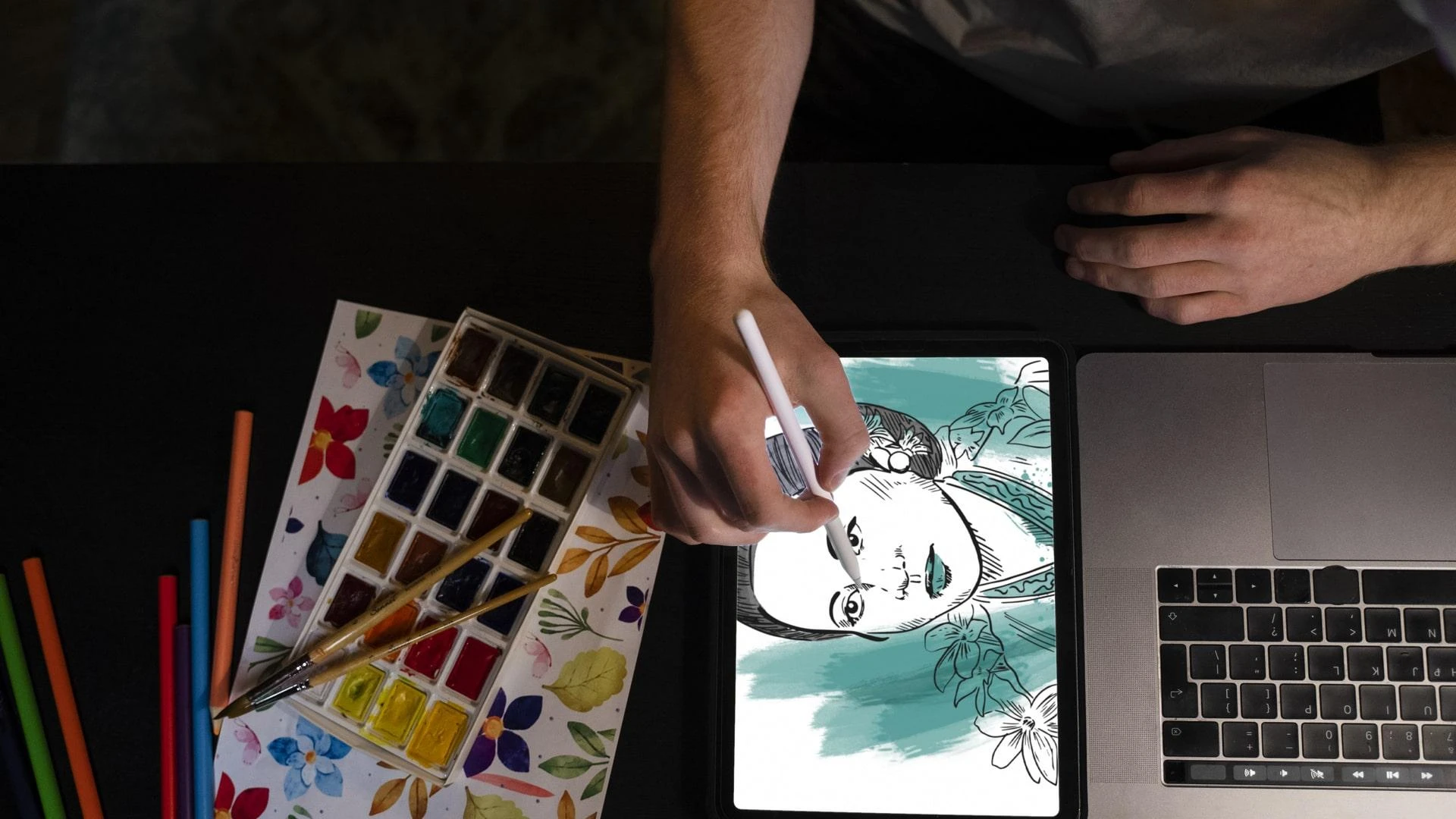

There was a time when games were built by small teams working out of garages. Today, they stand beside film and television as one of the most powerful storytelling mediums on the planet.
Behind every breathtaking scene lies a group of artists turning imagination into worlds that players can walk through.
For anyone who dreams of joining them, a Game Art Program is not just a class. It is the place where that dream finds direction.
A strong program does more than teach software. It trains the eye, builds patience, and shows how stories can live through shape, colour, and motion.
The Global Canvas of Gaming
By 2024, gaming had reached more than 3.42 billion players worldwide. That number is not a statistic; it’s a reflection of how universal play has become. With new platforms and genres appearing each year, studios everywhere need artists who understand design as both craft and communication.
A structured course in Game Art gives students that discipline, blending creativity with production awareness so their ideas can survive real deadlines.
1. Learning to Tell Stories Visually
Every memorable game begins with emotion. Students first learn the foundations — sketching, perspective, colour theory — and then discover how those tools speak to the heart.
In The Last of Us Part II, for example, the muted palette and heavy lighting tell a story long before a word is spoken. Good programs teach students to make such decisions intentionally, ensuring art serves emotion rather than decoration.
2. Gaining Fluency with Industry Tools
The modern artist works inside a digital studio. Students handle Blender, ZBrush, Substance Painter, Marmoset, Unreal, and Unity, moving between concept sketches and playable spaces.
Learning these tools is not about ticking boxes; it is about understanding how ideas travel from one department to another. When an artist can speak the same language as animators and programmers, production runs smoothly — and creativity flows without friction.
3. Understanding How Art Serves Gameplay
Beautiful visuals mean little if they confuse the player. That is why Game Art training includes the logic of design: composition, readability, and visual rhythm.
Take God of War: Ragnarök. Light quietly guides players through the world; textures hint at where danger hides. Students study such choices to see how form and function stay in balance.
4. Real-Time Engines: The New Creative Stage
Real-time technology changed everything. With Unreal 5’s Lumen and Nanite, artists can preview their worlds instantly. A lighting change or texture tweak no longer requires hours of waiting.
In classrooms, these engines become creative playgrounds where students test cinematic framing, weather, and atmosphere — skills now valued not only in gaming but also in film, architecture, and extended-reality design.
5. Building a Portfolio That Speaks
In this industry, the portfolio is the passport.
Through project-based learning, students assemble real production pieces: character models with clean topology, atmospheric environments, stylised concepts, and interactive scenes.
By graduation, they hold proof of both imagination and discipline — two things recruiters notice immediately.
6. Collaboration: Learning to Create as a Team
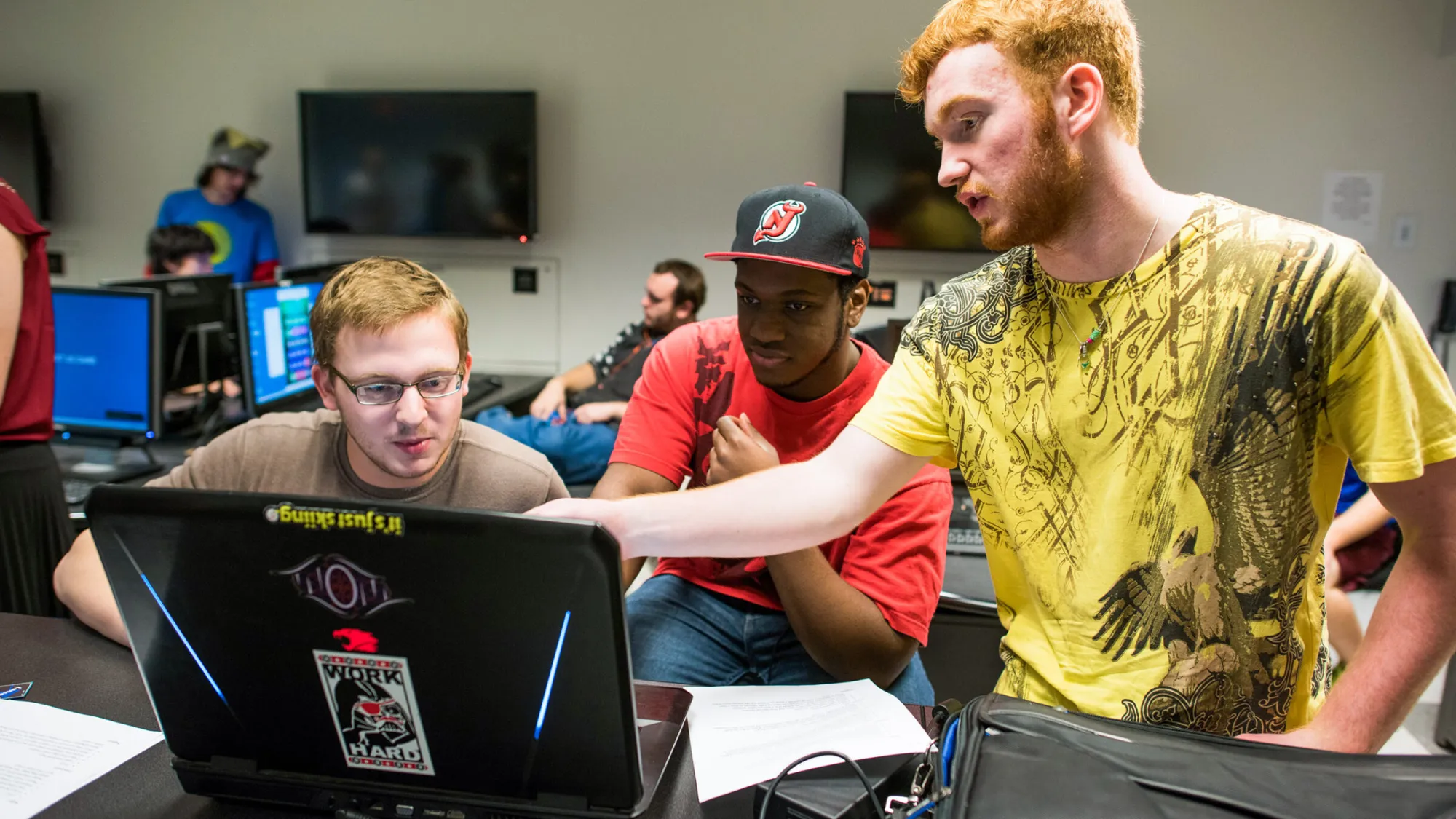
No game is made alone. Class projects mirror studio life: deadlines, critiques, revisions, and team reviews. Artists learn to accept feedback without losing their vision. They also learn that reliability and communication often weigh as much as raw talent. Those lessons stay long after the final render is done.
7. Staying Agile as Technology Shifts
The only constant in this field is change. Engines update, workflows evolve, and new techniques appear almost monthly. The best programs teach adaptability — how to pick up a new tool without fear, how to experiment, and how to keep curiosity alive.
Graduates who learn this habit stay relevant no matter where the industry moves next.
8. From the Classroom to the Studio
Well-connected institutions invite mentors from active studios, arrange portfolio reviews, and help students understand what hiring managers actually look for.
Typical career paths include Character Artist, Environment Artist, Concept Artist, Lighting Artist, and Technical Artist — roles that blend imagination with engineering.
Why Game Art Education Matters
Games today are cultural mirrors. They teach, heal, and bring people together. According to the Entertainment Software Association, most players believe games sharpen thinking and teamwork — the very qualities artists use to build them.
Game Art education, therefore, isn’t just about learning software. It’s about learning how to see — how to observe, translate, and create experiences that stay with people long after the screen fades to black.
Frequently Asked Questions
Q1. Do I need a fine-arts background?
Not necessarily. A love for drawing and storytelling is enough to begin; fundamentals are taught from the start.
Q2. Which tools will I learn?
Expect to master Photoshop, Blender, ZBrush, Substance Painter, Unreal Engine, and Unity — the same ones used by global studios.
Q3. Can I work outside gaming?
Yes. The same skills power animation, XR, film pre-visualisation, and architectural visualisation.
Q4. How long is the training?
Diploma courses usually run nine to eighteen months, depending on the chosen track.
Q5. What will my portfolio include?
Characters, 3-D environments, and game-ready assets that demonstrate both artistic and technical understanding.
Conclusion
A Game Art Program is not a shortcut; it is a journey that turns raw creativity into professional confidence.
At MAGES Institute, students learn by doing - sculpting, texturing, lighting, and designing within industry pipelines.
They graduate ready to build worlds that players lose themselves in.
If you can already picture the worlds you wish existed, this is where you learn how to make them real - one idea, one frame, one game at a time.



















Sign in to leave a comment.