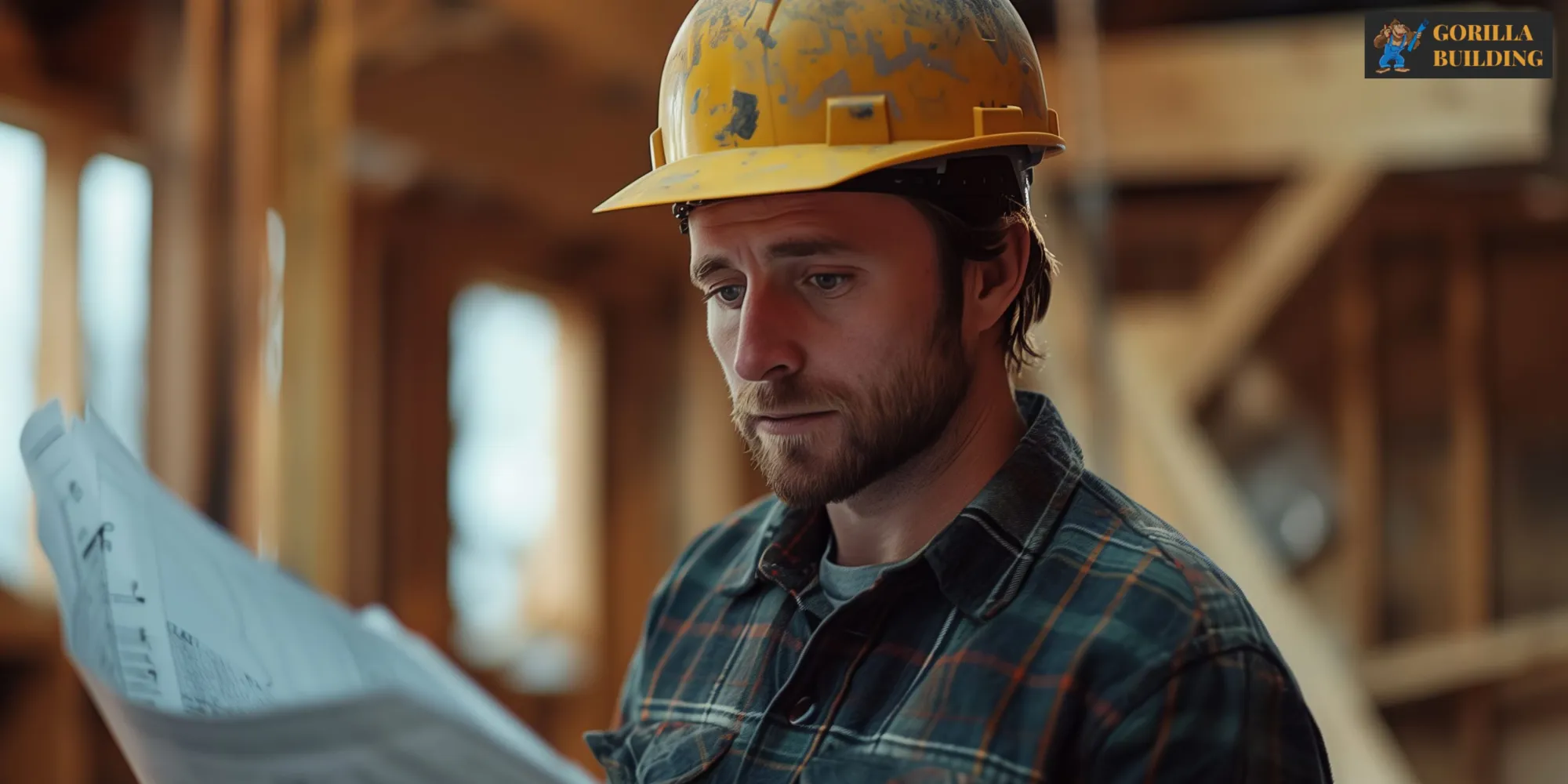

A construction project involves much more than putting materials together and following a set of drawings. There are schedules to manage, workers to coordinate, materials to order, inspections to arrange, and unexpected issues to solve. Without proper planning, even a straightforward project can become stressful, expensive, and difficult to manage.
That is where an experienced construction team can make a real difference. The right professionals help bring different parts of a project together, keeping communication clear and ensuring the work moves forward in an organised way. Whether you are planning a commercial building, renovation, addition, or major improvement, having knowledgeable support can help you make better decisions from the beginning.
What Does a General Contractor Do?
A general contractor acts as the central point of contact throughout a construction project. Instead of the property owner having to communicate separately with every trade, the contractor helps coordinate the different people and stages involved in the work.
Their responsibilities may include reviewing project plans, arranging subcontractors, ordering materials, monitoring progress, and communicating with the property owner. They may also help identify potential problems before those issues create costly delays.
Good coordination is especially important when several trades are working on the same property. Electrical, plumbing, general contractors, HVAC, and other services often depend on one another. If one stage is delayed, it can affect everything that follows.
Why Proper Project Planning Matters
A successful construction project usually begins long before the first piece of material arrives at the site. Planning helps establish realistic expectations for the budget, schedule, materials, and scope of work.
Before construction starts, the project team should understand what needs to be completed and when each stage should happen. A detailed plan can also help identify areas where changes may be needed.
Unexpected issues can still occur, of course. Weather, material availability, site conditions, and design changes can all affect a project. However, having a clear plan gives the team a better way to respond when something does not go as expected.
Managing Subcontractors and Trades
Large construction projects often require several specialised professionals. One company may handle concrete while another manages electrical work, plumbing, HVAC, or roofing.
Coordinating these trades requires careful timing. For example, a trade may not be able to begin until another part of the project has been completed. Poor scheduling can leave workers waiting, create unnecessary costs, and push back the completion date.
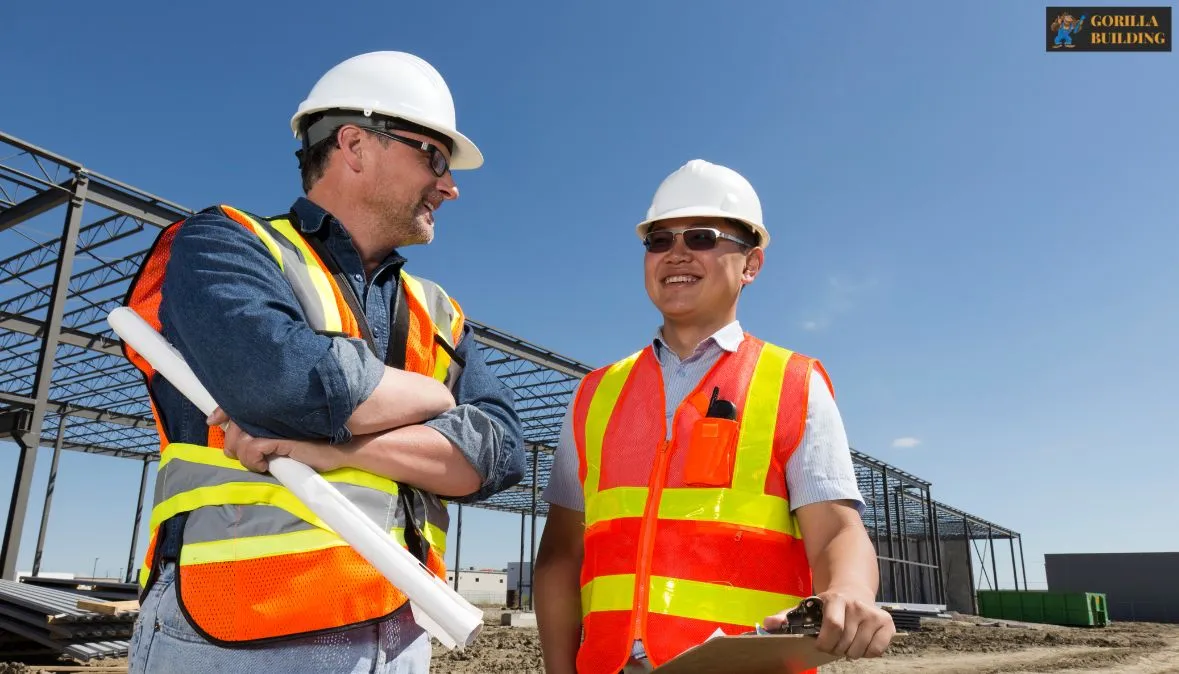
Experienced contractors help organise these moving parts. They communicate with subcontractors, monitor progress, and make sure different stages are completed in the right order.
This coordination can be particularly valuable for property owners who do not have construction experience. Instead of managing multiple companies themselves, they can have one primary team helping oversee the project.
Construction Quality Starts with the Right Team
Quality does not depend on materials alone. Proper installation, attention to detail, and consistent supervision all play important roles in the final result.
A good contractor understands that cutting corners during construction can create problems later. Poor workmanship may lead to repairs, maintenance issues, or reduced performance. Taking time to complete each stage correctly can help protect the value of the finished property.
Regular communication also supports quality control. When concerns are identified early, they can often be addressed before they become larger problems.
For property owners, it is worth asking potential contractors about their experience, previous projects, communication process, and approach to quality. A contractor who is willing to explain the process clearly can make the entire experience easier to understand.
Commercial Projects Require Extra Coordination
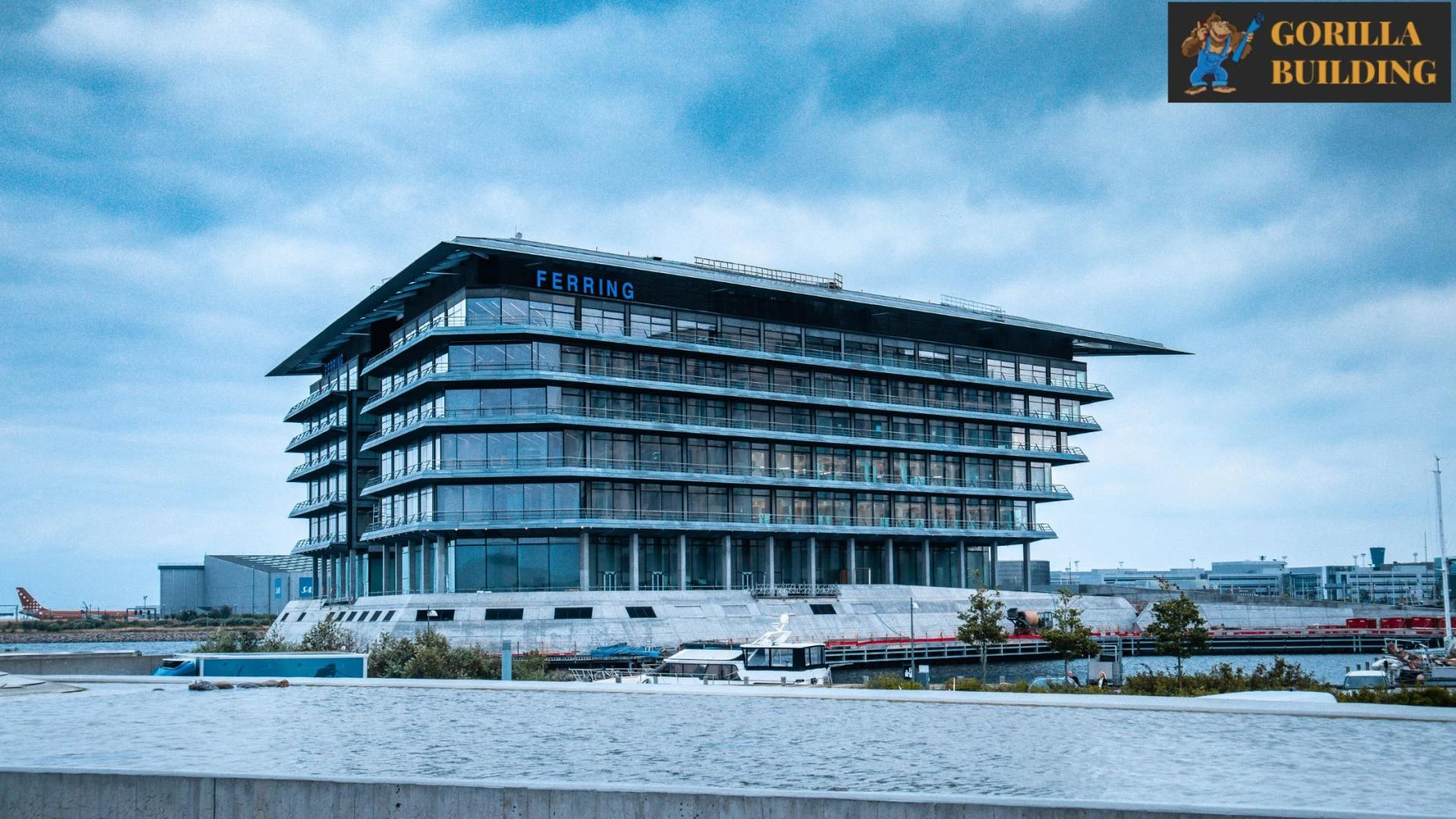
Commercial construction can involve larger budgets, tighter schedules, multiple trades, and more complicated requirements. Businesses also have to think about how construction may affect their employees, customers, inventory, and daily operations.
For these reasons, choosing experienced commercial general contractors can be an important part of planning a successful project.
Commercial contractors can help coordinate different aspects of the build while keeping the overall project objectives in view. They may work on offices, retail buildings, warehouses, industrial facilities, renovations, and other commercial properties.
Communication is particularly important in commercial work. Business owners need to know what is happening, whether the project is progressing as expected, and whether any changes could affect the timeline or budget.
How to Choose the Right Contractor
Finding the right contractor should involve more than comparing prices. The lowest estimate may not always represent the best overall value.
Start by looking at the contractor's experience with projects similar to yours. A team familiar with the type of building you are planning may understand common challenges and practical solutions.
You should also discuss:
- Project timelines and expected milestones
- Estimated costs and payment schedules
- Materials and construction methods
- Subcontractor coordination
- Communication and progress updates
- Handling of unexpected changes
- Permits and inspection requirements
- Cleanup and project completion procedures
It is also helpful to ask questions before signing an agreement. Clear expectations at the beginning can prevent misunderstandings later.
The Value of Clear Communication
Construction rarely goes exactly according to the original plan. Changes may become necessary, materials may take longer to arrive, or site conditions may reveal something that was not visible during the initial planning stage.
Clear communication helps everyone respond to these situations more effectively.
Property owners should feel comfortable asking questions about progress, costs, materials, and upcoming work. Contractors should also provide updates when important changes occur.
A strong working relationship is built on transparency. When everyone understands what is happening, decisions can be made more quickly and with fewer surprises.
Building for Long-Term Value
A construction project should not only focus on getting the work finished. The finished building needs to serve its purpose for years to come.
That means considering durability, functionality, maintenance, energy efficiency, and future needs during the planning stage. Choosing suitable materials and completing the work properly can help reduce unnecessary repairs and improve the long-term value of the property.
Gorilla Building understands the importance of combining practical planning with dependable construction. A thoughtful approach can help property owners create spaces that are useful, durable, and suited to their specific goals.
Final Thoughts
Construction is a major investment, and managing every detail alone can quickly become overwhelming. From coordinating trades and materials to monitoring schedules and maintaining quality, professional oversight can make the process more manageable.
The right contractor does more than supervise workers. They help connect the different pieces of a project, communicate with everyone involved, and work toward completing the job according to the agreed plans.
Whether you are preparing for a new construction project, renovation, or commercial improvement, take time to research your options and ask the right questions. A well-organized project starts with the right team and a clear understanding of what you want to achieve.
Frequently Asked Questions
1. What is the role of a general contractor?
A general contractor oversees and coordinates various parts of a construction project. Their responsibilities can include scheduling, subcontractor management, material coordination, project communication, and progress monitoring.
2. When should I hire a contractor?
It is generally best to involve a contractor during the planning stage. Early involvement can help with budgeting, scheduling, material decisions, and identifying potential construction challenges before work begins.
3. What should I ask before hiring a contractor?
Ask about relevant experience, project timelines, estimated costs, subcontractors, communication methods, permits, warranties, and how they'll handle unexpected changes.
4. Are commercial construction projects different from residential projects?
Yes. Commercial projects often involve larger structures, more trades, complex schedules, specific building requirements, and greater coordination. They may also have a bigger impact on ongoing business operations.
5. How can a contractor help control construction costs?
A contractor can help control costs through careful planning, scheduling, material coordination, and early identification of potential issues. Clear communication about changes can also help prevent unexpected expenses.
6. Why is contractor communication important?
Regular communication keeps property owners informed about progress, scheduling, costs, and changes. It also allows problems to be addressed sooner, helping the project stay organized.





















Sign in to leave a comment.